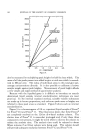
THE INTERFERENCE OF NONIONIC EMULSIFIERS WITH PRESERVATIVES. III* By M. G. DENAYARRE Nosxosxe SURVACTASTS have become widely adopted by many industries because of their stability toward acids, alkalis and salts, as well as the ease with which their hydrophile/lipophile balance can be adjusted to a given need. We have reported earlier (1, 2) on the fact that nonionic emulsifiers interfere with the preservative properties of ethyl gallate DCMX bithionol hexachlorophene dichlorophene methyl p-hydroxy- benzoate benzoic, dehydroacetic and sorbic acids. Other preservatives• since tried are candicin, penicillin,/Iureomycin, ascosin, usnic acid and five• laboratory chemicals supplied by two companies, which show possible l preservative properties. Data on these are not included here, however. In this paper we discuss some of the factors believed to influence this i interference. We can now also state that practically all nonionics basedl on the addition of ethylene or propylene oxide to fatty acids, alcohols, I esters or polyglycols, interfere with the preservative properties of com-• pounds containing either a phenolic or carboxylic hydroxyl group in the• molecule. This interference is apparently due to the formation of com-• plexes by hydrogen bonding. Most of the work reported in this paper deals with methyl p-hydroxy-, benzoate and G-3720 working at a pH of 5.6. The acid range was chosenl because most nonionic emulsions are acid in reaction and, also, molds grow• better in acid media. The problems in acid media are mainly concernedl with yeasts and molds both of which make spoilage readily apparent. A constant pH was chosen because it has been shown by Rahn and Conn• (3) that the amount of benzoic acid needed at pH 5.8 to prevent growth of a• yeast was almost thirty times greater than at pH 4.1. As a result, one• must work under fixed test conditions to draw relevant conclusions. Fur-• thermore, most usable preservatives are more effective in the acid range.'. Figure 1 shows the loss in effectiveness of several compounds as the pHI changes. * Presented at the December 13, 1956, Meeting, New York City. Based in part upon a thesis to be submitted by M. G. deNavarre to the Graduate School ofl Wayne State University in partial fulfillment of the requirements for the degree Master ofl Science. 68

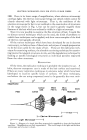
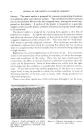
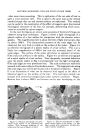
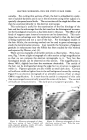
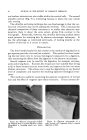
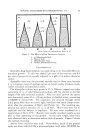
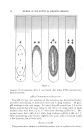
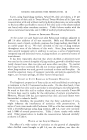
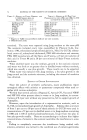
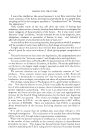
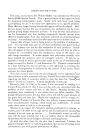
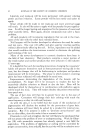
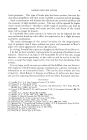
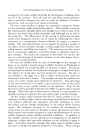
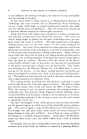
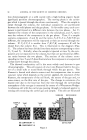
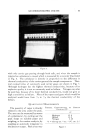
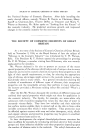
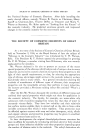
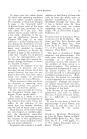
NONIONIC EMULSIFIERS WITH PRESERVATIVES. III 69 &$ S, s $. o % 6-7 % Photo Courtesy of Farbenfabriken Bayer, A. G. Figure 1.--The Effect of pH on Preservative Activity. 1. p-Chlorobenzoic Acid 2. Benzoic Acid 3. Dehydroacetic Acid 4. Methyl p-Hydroxybenzoate EXPERIMENTAL Generally, Jaag liquid medium was used owing to its favorable effect on mycelium growth. To this was added 2 per cent of the nonionic and 0.1 per cent of preservative, usually adjusted to a pH of 5.6 unless otherwise stated. ntspergil/us niger was the principal microbe used in these tests because it is a common cause of spoilage, grows on liquid media, produces much visible mycelium and sporulates easily. The ntspergi//us cultures were grown in 25- X 200-mm. capped test tubes containing 15 cc. of solid Sabouraud medium, pH 5.6, slanted so the full length of the tube contained medium. After ten days' growth the spores were harvested, using 50 cc. of Jaag medium or distilled water, containing 1:100,000 of Aerosol OT. The suspension was strained through sterile J & J gauze filter discs to remove agar, mycelium and spore clumps some- what after the procedure of Berry and Perkin (4). The resulting sus- pension was used in amounts of 1 cc. in all tests. Many tests were run in triplicate and the balance in duplicate. All tests were incubated at a temperature of 20 to 25øC. Results were usually recorded weekly as one plus or more depending on the growth. At the early stages, some tests were observed daily to determine earliest time of growth. Figure 2 shows the method of scoring. Almost forty nonionics were used. Nevertheless, much of the present work was done with G-3720, a polyoxyethylene cetyl ether (20 ETO) for
Purchased for the exclusive use of nofirst nolast (unknown)
From: SCC Media Library & Resource Center (library.scconline.org)