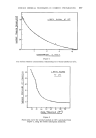
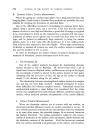
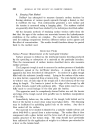
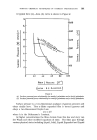
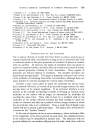
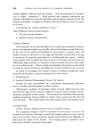
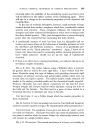
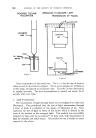
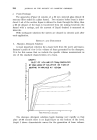
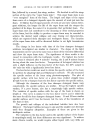
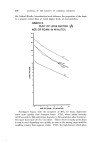
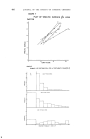
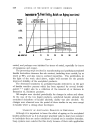
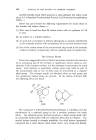
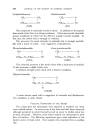
396 JOURNAL OF THE SOCIETY OF COSMETIC CHEMISTS e. Foam Drainage The apparatus (Figure 3) consists of a 30 mm sintered glass (Grade 3) mercury filter sealed in a glass funnel. Two minutes before foam is intro- duced 1 ml of the mother liquor is allowed to drain through the filter, then a 20 ml aliquot of the foam is transferred from the mixing bowl into the funnel with a syringe, and the amount of liquid drained is measured at intervals. With toothpaste solutions the sinters are cleaned in chromic acid after each application. RESULTS AND DISCUSSIO• 1. Shampoo Detergent Solutions A most important criterion for a foam both from the user's and manu- facturer's point of view is the volume of foam generated by the shampoo. It is for this reason that we include the specific volume measurement as one of the standard characteristics of a foam. GRAPH I PlOT Of VOLUME Of foam PRODUCED v/ •o BY ONE GRAM OF SOLUTION S TIME Of • BEATING IN MINUTES AT 720rpm 't o o • • TIME OF BEATING IN SECONDS The shampoo detergent solutions begin foaming very rapidly so that after 15-30 seconds there is no liquid layer at the bottom of the bowl. Graph I shows characteristic curves for the generation of foam volume.

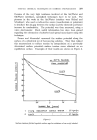
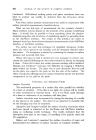
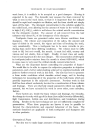
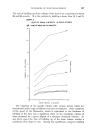
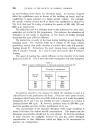
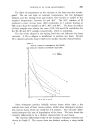
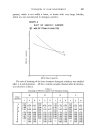
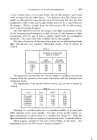
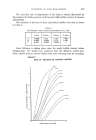
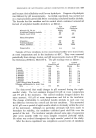
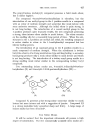
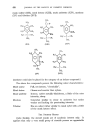
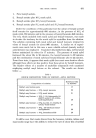
TECHNIQUES OF FOAM MEASUREMENT 397 The rate of building up of the volume of the foam is at a maximum between 30 and 90 seconds. M is the quickest to build up a foam, then H, C and N. GRAPH 2 PLOT OF FOAM VISCOSITY IN CENTI-STOKES VIS TIME OF BEATING IN MINUTES 200 CS • c• -- H C N TIME OF BEATING IN MINUTES The variation of the specific volume with various factors which are encountered under usage conditions were also investigated. Only variations of the speed of the Mixmaster, which is equivalent to the briskness of rubbing of the hair, has a significant effect on the maximum volume of foam produced by a given aliquot of a shampoo detergent solution. At any given speed the rate of building up of the foam volume reaches a maximum, then drops to zero. During this equilibrium, statej the building
Purchased for the exclusive use of nofirst nolast (unknown)
From: SCC Media Library & Resource Center (library.scconline.org)