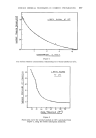
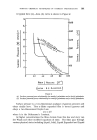
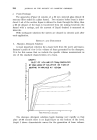
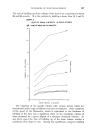
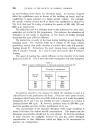
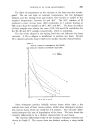
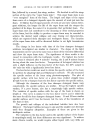
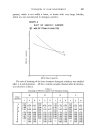
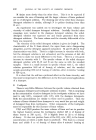
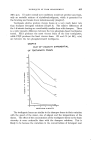
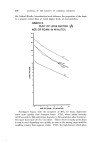
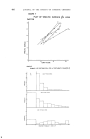
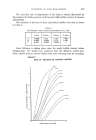
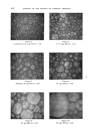
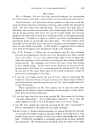
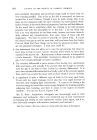
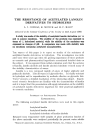
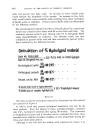
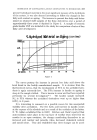
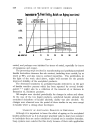
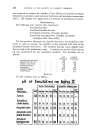
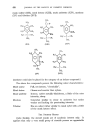
418 JOURNAL OF THE SOCIETY OF COSMETIC CHEMISTS PERGENT F. F.A. 0.6'7,, 0.4% i' Lanolin :10% i.•3õ mo•Lh• / _ •e o •-MONTI. m.q 6 12 I• 24 30 3G 40 Inereaee in % Free Fattu Aeid on Agimj (room temp.) Figure 2 erated, and perhaps even initiated by traces of metal, especially by traces of manganese and copper. The processing steps involved in manufacturing and purifying acetylated lanolin derivatives decrease the ash content, including trace metals, by as much as 00% and also remove oxidized impurities. This purification, in the light of the work cited above, might well account for the greatly improved stability of the acetylated products. The decreased sensitivity to acetylated lanolin derivatives on the part of lanolin sensitive persons which has been reported by several investi- gators 1, 4, 5 might also be a reflection of the removal of, or decrease in formation of, oxidation products. All samples were checked periodically for changes in colour and odour. In the case of the two liquid products, acetylated lanolin alcohols and acetylated ricinoleate of lanolin alcohols, clarity was also checked. No changes were observed over the period of these studies in any case except in lanolin where a strong odour developed. STABILITY OF ACETYLATED PRODUCTS IN EMULSIONS Although it is important to know the effect of ageing on the acetylated lanolin products per se, it is of greater practical value to learn how resistant to hydrolysis they are under conditions of actual use in emulsion formulas. Soap systems were selected for this study because of their wide application

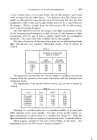
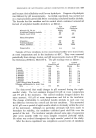
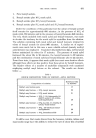
RESISTANCE OF ACETYLATED LANOLIN DERIVATIVES TO HYDROLYSIS 410 and because their alkalinity could favour hydrolysis. Progress of hydrolysis was followed by pH measurements. An initial experiment was carried out on a typical anionic germicidal lotion containing acetylated lanolin alcohols. The formula for this emulsion and its control which contained mineral oil instead of acetylated lanolin alcohols is as follows: Test Control Emulsion Emulsion Mineral Oil, 70 vis ....... 10.0% 14.0% Acetylated lanolin alcohols .... 4.0 -- Stearic Acid XXX ...... 4.5 4.5 Hexachlorophene ...... 0.25 0.25 Glycerine .......... 5.0 5.0 Triethanolamine ...... 1.0 1-0 Water, distilled ........ 75.25 75.25 Preservative ........ q.s. q.s. Samples of these emulsions in two ounce lotion bottles were stored both at room temperature and in the incubator at 42øC. They were removed periodically from storage, shaken, and pH measurements made at 25øC using the Beckman pH Meter, Model H-2. The pH readings were as follows: Initial 2 weeks 2 months 3 months 4 months 5 months 7 months 8 months Total change after 8 months *Change attributable to Acer. Lan Ales ....... Test Control Emulsion pH Emulsion pH Room Inc. Room Inc. 8.4 -- 8.1 -- 8.4 -- 8.1 -- 8.3 8.2 8.0 7.7 8-2 7.9 8.0 7.9 8-2 7.9 8.0 7.8 8.1 7-8 7.9 7.7 8.0 7-7 7.9 7.6 8.1 7-7 7.9 7-5 0.3 0.7 0.2 0.6 0.1 0.1 The data reveal that small changes in pH occurred during the eight- months' study. The test emulsion dropped 0.3 pH at room temperature and 0.7 pH in the incubator. The control emulsion dropped almost the same amount 0.2 pH at room temperature and 0.6 in the incubator. The change attributable to acetylated lanolin alcohols in each case was the difference between the control and the test emulsions. This amounted to 0.1 pH over a period of eight months which is obviously within the error of the instrument. Although no particular attempts had been made to formulate for stability, the emulsions exhibited good shelf life over the period of the test. The incubator samples showed some sign of separation after seven months while the room samples remained perfectly stable. No odour was evolved throughout the eight months' period of the study. After the above experiment was completed, a second series of emulsions
Purchased for the exclusive use of nofirst nolast (unknown)
From: SCC Media Library & Resource Center (library.scconline.org)