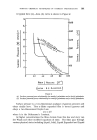
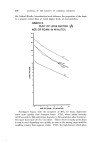
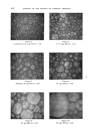
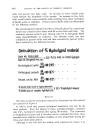
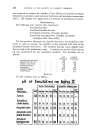
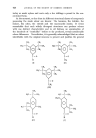
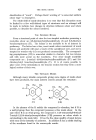
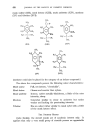
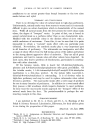
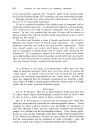
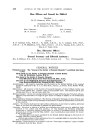
426 JOURNAL OF THE SOCIETY OF COSMETIC CHEMISTS Another tetralin musk which possesses a clean pleasant but rather weak odour is 1.1-dimethyl-7-tertiarybutyl-5-acetyl-l.2.3.4-tetrahydronaphthalene (wn) :- Beets • has put forward the following requirements for musk odour in the tetralin and indane classes :-- (1) More than 14 and less than 20 carbon atoms with an optimum at C16 to C18. (2) An indane or a tetralin skeleton. (3) An acyl and a secondary or tertiary alkyl group as separate substituents in the aromatic nucleus with an optimum for acetyl and tertiary butyl. (4) One of the carbon atoms of the non-aromatic ring bound to the aromatic nucleus is tertiary or quaternary with an optimum when it is quaternary. TRE I•)A•E MUSKS It has been suggested by Beets • that in an indane derivative the presence of an acyl group and of two tertiary or quaternary carbon atoms as sub- stituents in the benzene nucleus, are the minimum requirements for musk odour. Such tertiary or quaternary carbon atoms may both be part of the non-aromatic ring or one of them may be introduced as a separate alkyl group. The stronger musks are obtained when an acyl group and two quaternary carbon atoms are present. In the indane structure (IX) the following effects are found: C' / •x• 6 7 1 C•O I CH• (vm) (ix) The compound 1.1-dimethyl-6-tertiarybutylindane is odourless, but the introduction of a carbonyl group in the 4 position produces the musk odour. The aldehyde group (formyl) produces a fairly strong musk with an odour like musk ketone with the ambrette effect also in evidence. The methyl ketone (acetyl) is strongly musk-like, the ethyl ketone (propionyl) compound has a sweet intense musk odour and is very strong and lasting.

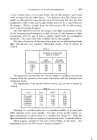
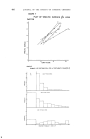
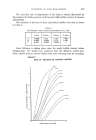
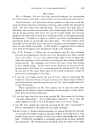
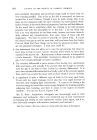
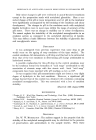
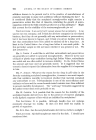
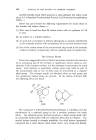
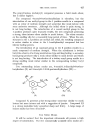
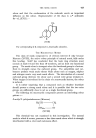
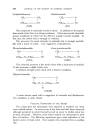
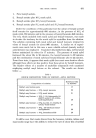
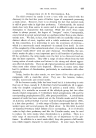
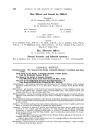
THE MUSK ODOUR 427 The propyl ketone (isobutyryl) compound possesses a faint musk odour, but is rather fugitive. The compound 4-acetyl-6-tertiarybutylindane is odourless, but the introduction of one methyl group in the 1 position results in a compound with an odour of medium strength and somewhat like musk ketone with some ambrette sweetness. Although the initial odour is quite strong, it is not long lasting. The introduction of a second methyl group in the 1 position produces quite dramatic results, the new compound possessing a strong, clean intense odour similar to musk ketone. The odour remains on the smelhng slip for a reasonably long period of time. When the sub- stituents in the 1.1 position are methyl and ethyl, the resulting compound is rather similar in odour to the 1.1-methylmethyl compound but has inferior lasting powers. The introduction of an isopropyl group in the 6 position results in a musk compound of medium strength. When the substituent is tertiary butyl the odour is of a strong musk ketone type and long lasting: a secondary butyl group produces only a weak odour similar to musk ketone and which is not long lasting. The introduction of a tertiary amyl group results in a strong smelling musk rather similar to the corresponding tertiary butyl compound. Two outstanding indane musks are, 4-acetyl-l.l-dimethyl-6-tertiary- butylindane (X) and 6-acetyl-l.l.3.3.5-pentamethylindane (XI):-- Compound X possesses a fine strong odour somewhat similar to musk ketone but more intense and with a suggestion of jasmin. Compound XI is a strong musk-like body somewhat sharp and fruity. A large range of indane musks has been described a. THE NITRO MUSKS It will be noticed that the important nitromusks all possess a high degree of substitution. The five commercially available nitro musks are:
Purchased for the exclusive use of nofirst nolast (unknown)
From: SCC Media Library & Resource Center (library.scconline.org)