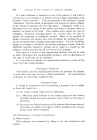
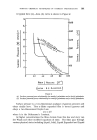
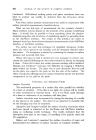
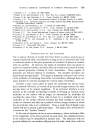
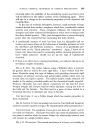
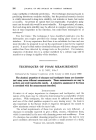
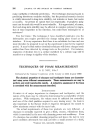
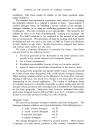
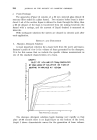
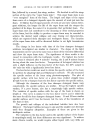
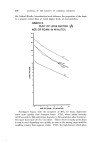
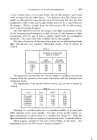
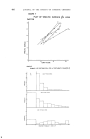
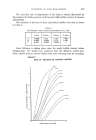
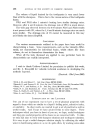
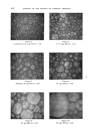
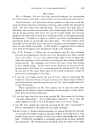
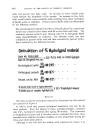
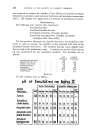
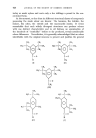
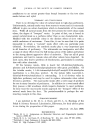
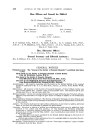
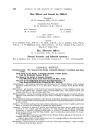
424 JOURNAL OF THE SOCIETY OF COSMETIC CHEMISTS today as musk xylene and costs only a few shillings a pound in the con- centrated form. At the moment, no less than six different structural classes of compounds possessing the musk odour are known: The benzene, the tetralin, the indane, the nitro, the steroid and the macrocyclic musks. It seems remarkable that such widely divergent structures can produce odours with one distinct characteristic and in all fairness an examination of the hundreds of "musk-like" bodies so far produced, reveals considerable odour differences. Nevertheless, it is generally acknowledged that an odour identifiable with the original muscone is present and justifies the general CH• CH• CHa CH• C CHa C C=0 C---0 I •I-I• H (II) (I) CH3 CH3 C=O C•H• (IIr) CHa H•C -- C -- CH• CH• C=0 H (•V) CH• CH= H•C -- [C -- CH• HaC0 -- CH, CH3 C=O (v)

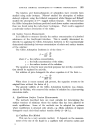
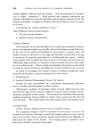
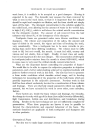
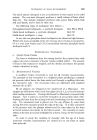
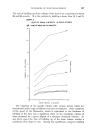
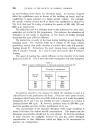
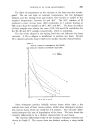
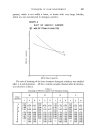
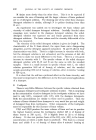
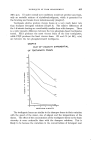
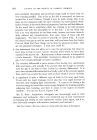
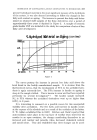
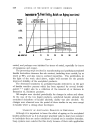
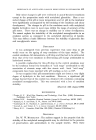
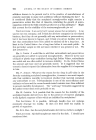
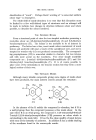
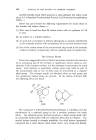
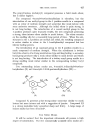
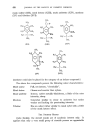
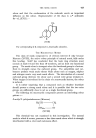
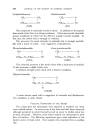
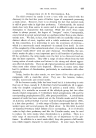
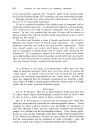
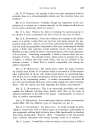
THE MUSK ODOUR 425 classification of "musk". Perhaps Beets' wording of "a somewhat uniform odour type" is descriptive. The whole field of musk-chemistry is so vast that this discussion must be limited to a few well-defined types of structures and an attempt will be made to indicate how changes in structure influence odour and where possible, to describe the odours involved. THE BENZENE MUSKS From a structural point of view the two simplest molecules possessing a musk-like odour are 3.5-ditertiarybutylbenzaldehyde (I) and 3.5-ditertiary butylacetophenone (II). The former is too unstable to be of interest in perfumery. The latter has a fine, sweet musk odour reminiscent of musk ketone and ambrette with just a touch of the sandalwood note, and one is tempted to wonder why it is not produced commercially. The correspond- ing propiophenone (III) is somewhat similar in character but less intense and with more accent on the woodiness. Two other simple musk-like compounds are: 2-methyl 4.6-ditertiarybutylbenzaldehyde (IV) and 2.4- ditertiarybutyl 5-methoxybenzaldehyde (V). It is of course possible to place some of the nitromusks in the benzene section but they form a more logical section of their own. THE TETRALIN MUSKS Although many tetralin compounds giving some degree of musk odour have been produced, the main interest centres around the structure: CH, HaC CH, I CHa I-IaC CH, 0= I H,C HaC CHa H3 (VI) (VII) In the absence of the R radicle the compound is odourless, but if R is a methyl group then the compound possesses a fine musk odour. In the case where R is an ethyl group, the compound 1.1.4.4-tetramethyl-6-ethyl- 7-acetyl-l.2.3.4-tetrahydronaphthalene (VII) possesses an odour which is outstanding in the musk field. It has the fine dean quality of musk ketone with some of the intensity of ambrette. In addition it has a subtle shading of the woodiness found in the macrocyclic musks.
Purchased for the exclusive use of nofirst nolast (unknown)
From: SCC Media Library & Resource Center (library.scconline.org)