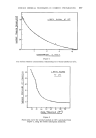
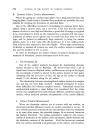
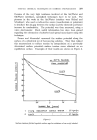
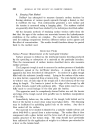
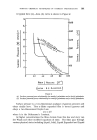
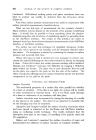
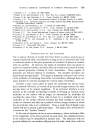
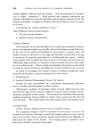
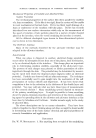
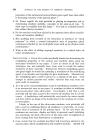
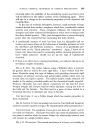
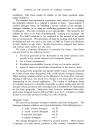
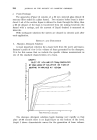
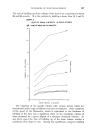
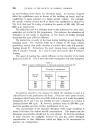
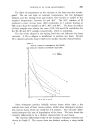
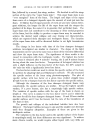
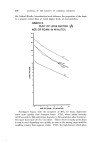
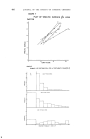
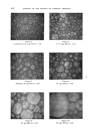
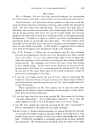
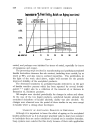
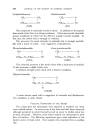
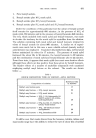
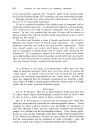
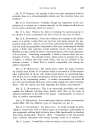
412 JOURNAL OF THE SOCIETY OF COSMETIC CHEMISTS Figure $ Toothpaste C.D.1 age 60 sec. x 15. ..... ß ':.'..'.. '. . 4, ," ..... '.. ,."..,. 5'.' .'?.. Figure 6 C.D.1 age 240 sec. x 15. Figure 7 Shampoo M. age 60 sec. x 45. Figure 8 M. age 140 sec. x 45. Figure 9 M. age 280 sec. x 45. F, gure 10 M. age 720 sec. x 45.

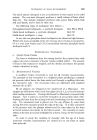
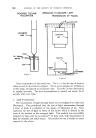
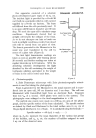
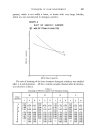
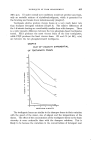
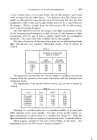
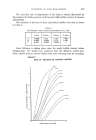
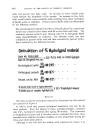
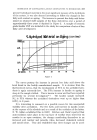
TECHNIQUES OF FOAM MEASUREMENT 413 DISCUSSION MR. A. HERZKA: Do you have any special techniques for determining the foam density, and other characteristics of pressurized (aerosol) foams ? THE LECTURER: As I had notice of this question we did some work last week and found that these techniques stand up quite well for the pressurized pack. We have tried some shaving soap. The density was quite easy to determine, the viscosity measurement took a little longer than I would like, but by having another tube for it one can do it quite easily, and we have subjected the foam to the breakdown technique where it took approximately 34 injections. I think it is quite in order to use these measurements for pressurized packs or practically any other foam. The idea behind these techniques is not to limit these tests just to shampoo and toothpaste, but to have as wide a field as possible. At Mr. Holmes's suggestion these methods were tried for detergents and satisfactory results were obtained. DR. A.M. POSNER: 1. What sort of correlations has Mr. Neu obtained between his experiments carried out in the laboratory and those carried out in the salon ? It is a very praiseworthy effort to try to place the subjective properties of the product on an objective basis using controlled measurements. My colleagues and I have, for many years, been trying to do a similar thing. It does seem to me, however, in the case of the present paper, that there is a convenient get-out mentioned in the case of, say, feel of the foam where part of the tactile impression would be governed by adsorption on the skin. 2. I am not very happy about the use of C.G.S. units in expressing the results on viscosity of foam, because it seems to me that a foam would be non-Newtonian in character and the use of C.G.S. units implies that it is in fact NewtonJan. What experiments has Mr. Neu carried out to vary the shear rate applied to the foam in order to determine its thixotropic or other devia- tions from Newtonian behaviour ? 3. I am not clear from the text what exactly Mr. Neu means by the term "viscosity differential". Is it a differential coefficient ? If so, then the units employed on the Y axis of his figures seem to me to be wrong. 4. Can Mr. Neu explain the physical meaning of the term "superfoam"? Does it correspond to the region of very rapid drainage ? THE LECTURER: 1. As far as feel is concerned, we cannot tell, but the viscosity we can tell very easily because a viscosity of 20 or more will mean a very creamy foam, and a viscosity of 15 or less will be practically lost on the hair. I think the correlation is extremely good, as far as these methods are concerned. We developed the methods, then we went to the salon
Purchased for the exclusive use of nofirst nolast (unknown)
From: SCC Media Library & Resource Center (library.scconline.org)