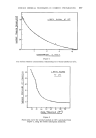
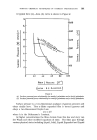
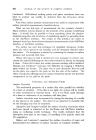
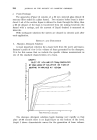
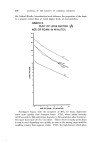
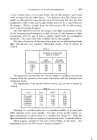
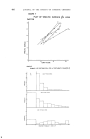
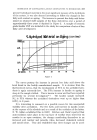
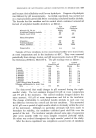
409, JOURNAL OF THE SOCIETY OF COSMETIC CHEMISTS M drains more slowly than the other three. This is to be expected if we consider the ease of foaming and the larger volumes of foam produced per cc of detergent solution. The draining rate of the other three shampoo detergent solutions is similar, although N is quicker draining foam than HorC. An experiment was carried out to investigate the foam volume and viscosity of soiled shampoo detergent solutions. Carefully blended salon sweepings were washed in the shampoo detergent solution, the soiled detergent solution was squeezed out and foams generated from these detergent solutions. The foam volume and the viscosity differential of the foam was measured. The viscosity of the soiled detergent solution is given in Graph $. The characteristic of the N foam altered, the super foam curve disappearing altogether, and the detergent appeared exhausted. M and H altered their characteristics very little. There is a slight increase in viscosity with both, but the detergent solution is not exhausted, and the presence of dirt did not seem to make too much difference to the foam. There is a very great increase in viscosity with C. The specific volume of the soiled shampoo detergent solution with M, H and N are the same as with the unsoiled samples. There is a small increase in specific volume with C, the soiled solution generation 16.3 ml of foam/g of solution, and the unsoiled sample generating 19.3 ml of foam/g of solution, after 4 minutes' beating at 720 r.p.m. It is clear that the soil has a profound effect on the foam viscosity, and this must be important in the differences in the first and second applications of a shampoo. 2. Toothpaste There is very little difference between the specific volume obtained from the shampoo detergent and toothpaste solutions studied. This is surprising as the concentration of active detergent in the toothpaste solutions we have used is only 0-30//0, compared with 1.5% with the shampoo detergents. Both the concentrations are similar to those used in practice. Thus the volume of foam obtained from shampoos is very much less per unit weight of detergent than from toothpastes. Other components of the toothpaste must be responsible for this increase of foam volume. PD/1 and PD/2 produce the same volume of foam and are in practice the highest foamers among the toothpastes studied (25 cc of foam/g of slurry beaten at 720 r.p.m.). CD is slightly lower at 22 cc of foam/g of slurry. CS does not produce foam at the 15ø//o w/w 25% is the lowest concentration at which a stable foam is produced. This foam is a creamy foam and yields 5 cc of foam/g of slurry after 4 minutes' beating at

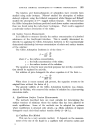
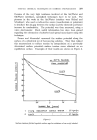
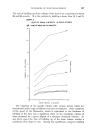
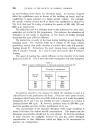
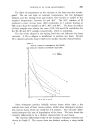
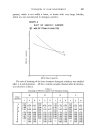
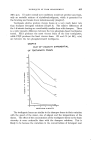
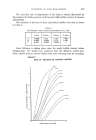
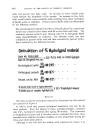
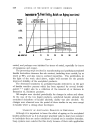
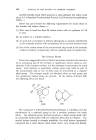
TECHNIQUES OF FOAM MEASUREMENT 403 720 r.p.m. CS under normal user conditions would not produce any foam, only an unstable mixture of air/saliva/toothpaste, which is generated by the brushing and breaks down instantaneously (Graph 1). Toothpaste slurries produce viscous foams at a very much faster rate than shampoo detergent solutions (Graph 2). The relative differences of the 1-8 minute beating are considerably smaller than with shampoo. There is a wide viscosity difference between the two phosphate-based toothpastes tested. PD/1 produces the most viscous foam of the four toothpastes, while PD/2 produces the least viscous foam. CD and CS (at 30% w/w) are between the two phosphate-based toothpastes. GRAPH 5 PLOT OF VISCOSITY DIFFERENTIAL OF TOOTHPASTE FOAMS z io o •, • • cs• AGE OF FOAM IN MINUTES The toothpaste foams are similar to the shampoo foams in their variation with the speed of the mixer,, size of aliquot and the temperatures of the slurry. The effect of the concentration of the toothpaste slurry on the foam viscosity is more noticeable than with the shampoo solutions. This is likely to be because the variations in the concentrations of detergent near
Purchased for the exclusive use of nofirst nolast (unknown)
From: SCC Media Library & Resource Center (library.scconline.org)