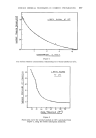
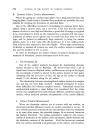
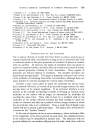
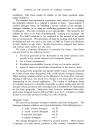
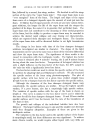
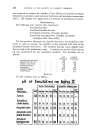
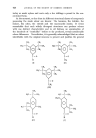
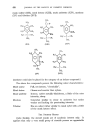
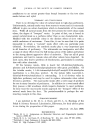
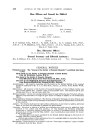
428 JOURNAL OF THE SOCIETY OF COSMETIC CHEMISTS musk xylene (XlI), musk ketone (XlII), musk ambrette (XlV), moskene (XV) and tibetine (XVI). NO: I CH• HaC Ha HaC CHa O•N NO: O.•N•NO• O•N• N kkv//' 0CHa HaC • C • CHa O, I HaC • [ • CHa CHa HaC • C • CHa { CHa (XlI) (XlIl) (XlV} CH: CHa O: 0, •C HaC, Ha CH, O,N"'•'N0• HaC• H:C -- C -- CH• CH: •H: (xv) (xw) Musk xylene Musk ketone Musk ambrette (moskene could also be placed in the category of an indane compound.) The above five compounds possess the following odour characteristics: Full, not intense, "chemically". Cleaner and sweeter than xylene. Intense, rather metallic-blackberry, a little of the ester intensity, sharp. Moskene Somewhat similar in odour to ambrette but rather weaker and lacking the penetrating intensity. Tibetine Has an odour rather similar to musk xylol with a little of the musk ketone effect. THE STEROID MUSKS Quite frankly, the steroid musks are of academic interest only. It appears that only a very small group of steroids possess an appreciable

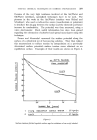
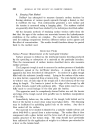
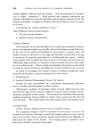
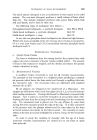
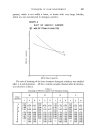
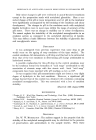
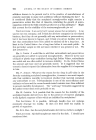
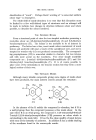
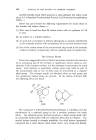
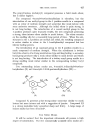
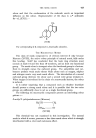
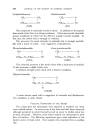
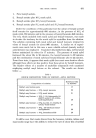
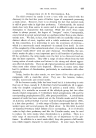
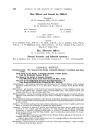
THE MUSK ODOUR 429 odour and that the conformation of the molecule exerts an important influence on the odour. Representative of the class is /•6 androsten 3a--ol, (XVII):-- CH: H(• CHex/iV!H (xvn) The corresponding $ B compound is practically odourless. THE MACROCYCLIC MUSKS This class of musk compound is of obvious interest if only because Muscone (XVIII), the active odour principle of natural musk, falls under this heading. Stoll 4 has concluded that the basic ring structure must contain at least 14 and less than 19 members, and at least one functional group. The musk odour is strongest when the functional group is a lactone. Next in strength comes the carbonyl group. The anhydrides and car- bonates produce weak musk odours while atoms such as oxygen, sulphur and nitrogen create very weak musk effects. The introduction of a second carbonyl group destroys the odour and a second ester group weakens it. When oxygen is introduced in the chain of a macrocyclic lactone, the odour is reduced. It is rather surprising that a compound such as ethylene brassilate should possess a strong musk odour and it is possible that the two ester groups are sufficiently close to act as a single functional group. The following six macrocyclic compounds present an interesting odour picture :-- $ methyl I cyclopentadecanone (Muscone) HaCCH (OH, h,- CO This chemical was not examined in this investigation. The natural musk in which it occurs, possesses a fine clean musk odour which is strongly interblended with a civet and castoreum effect.
Purchased for the exclusive use of nofirst nolast (unknown)
From: SCC Media Library & Resource Center (library.scconline.org)