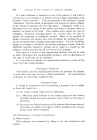
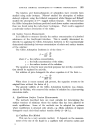
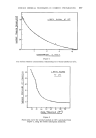
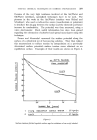
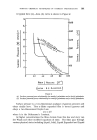
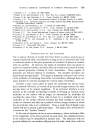
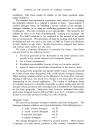
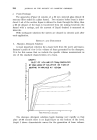
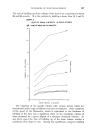
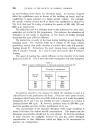
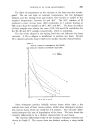
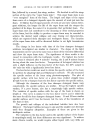
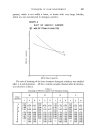
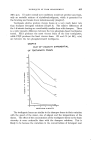
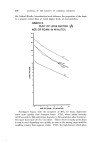
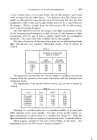
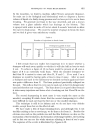
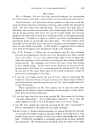
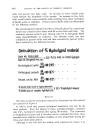
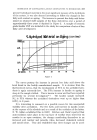
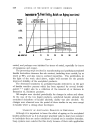
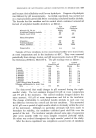
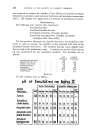
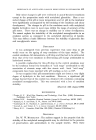
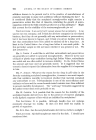
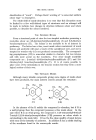
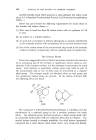
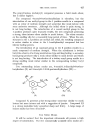
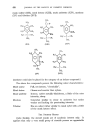
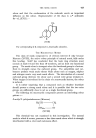
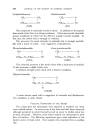
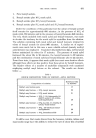
420 JOURNAL OF THE SOCIETY OF COSMETIC CHEMISTS was prepared to compare the stability of four different oil soluble acetylated derivatives in an oil-in-water system at both room and incubator temperature (42øC). pH changes were again used as a measure of hydrolysis of acetate. EXPERIMENTAL The following were used in this experiment: Acetylated lanolin Acetylated lanolin alcohols Acetylated ricinoleate of lanolin alcohols Acetylated monoglycerides [distilled acetylated monoglycerides (from lard)] The last product, although not a lanolin derivative, was included in this study in order to compare the stability of this material with that of the acetylated lanolin derivatives. The emulsion formula varies slightly from the one used in the preliminary study. A control was used in which mineral oil was substituted for the acetylated products. The formulae are as follows ß Acetylated Derivative Mineral Oil (70 vis.) Stearic Acid XXX Triethanolamine Glycerine .... Distilled Water .. Preservative .... RESULTS The pH readings were as follows: Test Control Emulsion Emulsions 4.0 10-0 14-0 4.5 4.5 1.0 1.0 5.0 5.0 75.5 75.5 q.s. q.s. pH o-F Emulion on Acjing.-I'r Formula Containinq_ Conb01 Aeetula-Led Lanolin 11eohol•: Aee'l:ylaf. a:l Lenolin Ac•[ylatt, d I•nolin Alcoh• Rieinolea'ce ,4eef. ylaLed Monogl•eeride: •CORR[CTED CHAN6E' Cho•cJe •lq pH •[Cer I0 weeJ•e• r•[rlu• corn+•roI pJ4 Critic Room Temperaf. ure• Incubator Tempe•ature• (•01.1:.* COI, I'. 'x- initial 2wh 4wl=. 6•. e.k •-b3n9• 2wl•. 4wl•. Owls. I0• Change 80 lg B.O øo.I •.0 ... 7.• 7.9 7.9, 7.7 .-- -- •.õ ].• •.• •.• 7.• 02 16 7.6 7.7 •.q 02 9] ].g 7.1t 9.0 7.• 01 7.• 7.oJ ?.• 7.8 It.I 8.0 7.0 9.0 8.0 0.• 7• •.7 79 7.9 0 it.0 l.l• 7.• ,.• ?.6 I1• 7.6 •.• 7.1 5.• I.I room temp. O. incubotor t•mp

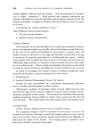
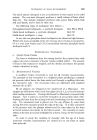
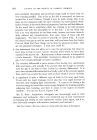
RESISTANCE OF ACETYLATED LANOLIN DERIVATIVES TO HYDROLYSIS 421 0nly minor changes in pH were evidenced in any of the above emulsions except in the preparation made with acetylated glycerides. Here a cor- rected change of 0.4 pH at room temperature and 1.1 pH in the incubator were significantly accompanied by the breaking of the emulsions and odour development. The changes in pH in the emulsions made with acetylated lanolin derivatives were in most cases within the range of accuracy of the pH meter. There was no change in stability nor in odour development. We cannot explain the instability of the acetylated monoglycerides in an emulsion system as compared to the acetylated derivatives of lanolin. This may reflect a basic difference between the stability of glyceride fats and non-glyceride waxes. DISCUSSION It was anticipated from previous experience that some drop in pH would occur on the ageing of soap emulsions of the type studied. The control emulsions did demonstrate a pH drop and this had to be subtracted from that of the test emulsions in determining pH change attributable to hydrolyzed acetate. A possible explanation for this pH drop in the control emulsions may be the tendency toward the formation of "acid soaps" attributable to the association of stearate soaps with free stearic acid. Such "acid soap" compounds have been reported with pH readings as low as 6.0 ø. It was recognized that pH measurements might not detect a very slight .degree of hydrolysis in the test emulsions. However, a significant pH change beyond that of the control was obtained with emulsions containing acetylated monoglycerides. This was associated with a loss of emulsion stability. (Received: 2$th August 1960) REFERENCES Truter, E.V. Wool Wax Chemistry and Technology, First Edn. (1956) (Interscience Publishers, New York) Gillam, N.W. .4ustralian Chemical Institute Journal & Proceedings, 14 361 (1947) Kitchen, G. F. and Clark, E. W., Pharm. Ind. 22 5 (1960) Sulzberger, M. B., Warshaw, T., and Herrmann, F., J. Invest. Dermatol. 20 33 (1953) Everall, J., and Truter, E. V. J. Invest. Dermatol. 22 493 (1954) Harry, R.G. Cosmetics, First Edn. 155 (1956) (Chemical Publishing Co.) DISCUSSION DR. W. W. }V[YDDLETON .' The authors suggest in the preprint that the stability of the acetylated monoglyceride may be attributed to the presence of preservatives and antioxidants in the sample studies. Were these
Purchased for the exclusive use of nofirst nolast (unknown)
From: SCC Media Library & Resource Center (library.scconline.org)