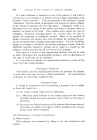
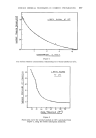
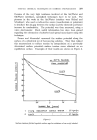
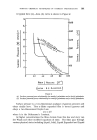
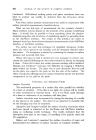
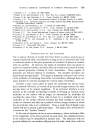
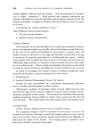
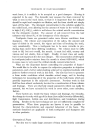
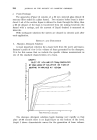
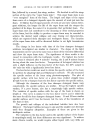
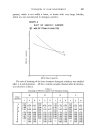
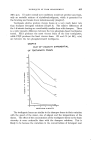
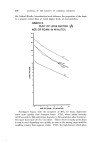
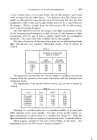
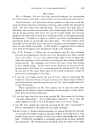
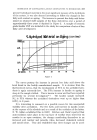
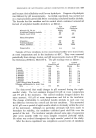
TECHNIQUES OF FOAM MEASUREMENT 403 720 r.p.m. CS under normal user conditions would not produce any foam, only an unstable mixture of air/saliva/toothpaste, which is generated by the brushing and breaks down instantaneously (Graph 1). Toothpaste slurries produce viscous foams at a very much faster rate than shampoo detergent solutions (Graph 2). The relative differences of the 1-8 minute beating are considerably smaller than with shampoo. There is a wide viscosity difference between the two phosphate-based toothpastes tested. PD/1 produces the most viscous foam of the four toothpastes, while PD/2 produces the least viscous foam. CD and CS (at 30% w/w) are between the two phosphate-based toothpastes. GRAPH 5 PLOT OF VISCOSITY DIFFERENTIAL OF TOOTHPASTE FOAMS z io o •, • • cs• AGE OF FOAM IN MINUTES The toothpaste foams are similar to the shampoo foams in their variation with the speed of the mixer,, size of aliquot and the temperatures of the slurry. The effect of the concentration of the toothpaste slurry on the foam viscosity is more noticeable than with the shampoo solutions. This is likely to be because the variations in the concentrations of detergent near

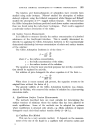
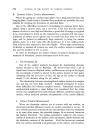
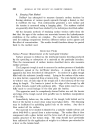
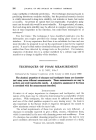
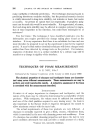
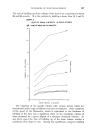
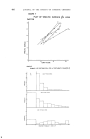
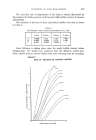
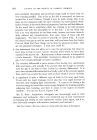
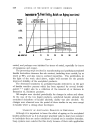
404 JOURNAL OF THE SOCIETY OF COSMETIC CHEMISTS the Critical Micelie Concentration level influence the properties of the foam to a greater extent than at much higher levels of concentration. GRAPH 6 PLOT OF LOSS FACTOR V/$ AGE OF FOAM IN MINUTES 20 9' u U) 5. o AGEOF FOAM IN MINUTES Toothpaste foams, with the exception of 30% CS foam, degenerate much more quickly than shampoo foams. PD/1, whose initial viscosity (at 20 seconds) is 228 centistokes, degrades to 50 centistokes after 5 minutes. The super foam state of CS is very short. This is observed easily as the foam is seen to start degrading very quickly as soon as the mixing stops until the resulting creamy foam appears stable. PD/1, the high roamer which gives
Purchased for the exclusive use of nofirst nolast (unknown)
From: SCC Media Library & Resource Center (library.scconline.org)