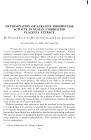
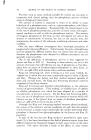
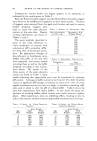
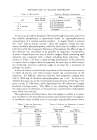
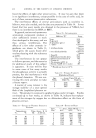
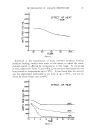
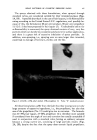
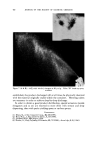
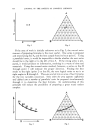
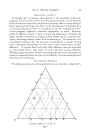
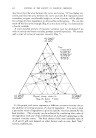
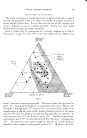
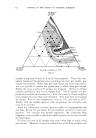
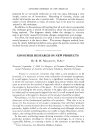
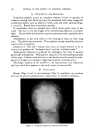
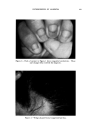
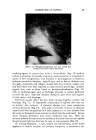
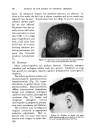
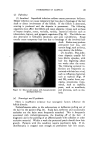
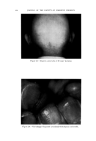
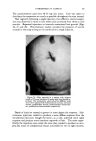
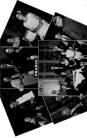
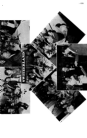
PATHOGENESlS OF ALOPECIA 487 Figure 13.--Paraphenylenediamine hair dye caused this allergic eczematous contact dermatitis. oxidizing agents to control their action strong alkalis (Fig. 12) such as sodium and barium hydroxide, ammonia, triethanolamine or monethanoi- amine in hair straighteners, with formalin or permanganate as fixatives hydrogen peroxide in bleaches vegeta3le dyes such as henna, rhubarb root, nut galls, chamomile and indigo metallic hair dyes of silver, copper, iron and lead (these have been reported to cause systemic poisoning) synthetic organic dyes, such as those based on paraphenylenediamine (Fig. 13), with an oxidizing agent such as hydrogen peroxide or sodium perborate to form the dye soap and detergent shampoos, gum resins and lacquers in hair sprays and dressings. Chemicals usually affect the hair shaft causing fragilitas crinium and breakage (Fig. 11). If improperly compounded or applied they may act as primary skin irritants. A chemical allergen may cause eczematous contact dermatitis (Fig. 13). The scalp is relatively resistant to chemical trauma and thus the glabrous skin areas adjacent to or even distant from the scalp are frequently more severely involved than the scalp itself. Severe acute chemical dermatitis may cause temporary hair loss. Only the severest primary irritant action or secondary bacterial infection can explain the permanent hair loss that may be seen on rare occasions (Fig. 12). (3) Ionizing Radiation. x-rays, radium and radioisotopes, atomic bomb explosion or atomic accident can produce temporary or permanent alo-

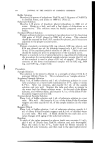
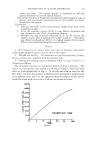
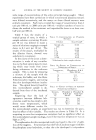
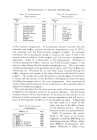
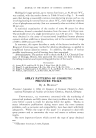
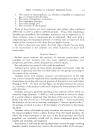
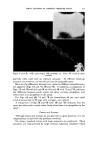
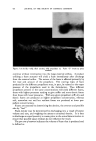
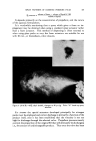
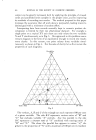
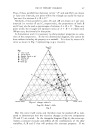
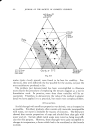
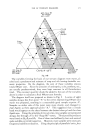
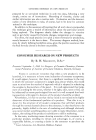
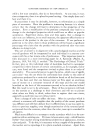
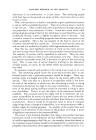
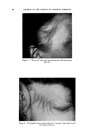
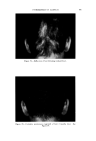
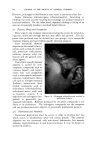
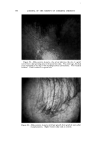
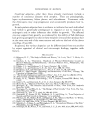
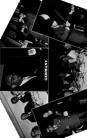
488 JOURNAL OF THE SOCIETY OF COSMETIC CHEMISTS regrowth may be seen. resistant derreal papil- lae are also affected. Permanent hair loss us- ually occurs with radia- tion equivalent to more than 1500 r of a single dose of superficial x-rays with a half value layer of 0.9 min. A1 or more. Ionizing radiation pro- ducing permanent alo- pecia also invariably pecia. In temporary alopecia the epithelial elements are affected. In three to five weeks the hair loss is almost complete and in ten weeks hair In permanent hair loss (Figs. 14 and 15) the more .•.?• ::i." ":-:.• ..... 7. . :t:: •! "• ...... :i.!• • '" :. ?.. ,• • :,•!• :.:2, -• .:• produces radiodermati- :i:!,?! •..•' ß ..... ?ii,: :!i? ..• ..x: .... ... tis. Figure 14.•Excessive x-ray treatment of a fungus infection (b) Hormonal of the scalp caused permanent hair loss. Many endocrinopathies can produce alopecia. Generally, estrogens stimulate and androgens inhibit scalp hair growth. Inhibition of scalp hair growth by androgens requires a genetic predisposition (andro-genetic alopecia). The following clinical entities can produce alopecia: hyperpituitarism, •:.• •:•' .-.•. hypopituitarism (Fig. 16), hyper- .:. '-.• thyroidism, hypothyroidism, hypo- : •.' ': ""'"'.. parathyroidism, hypocorticoidism, diffuse adrenocortical hyperplasia, -. benign and malignant androgenic •.• adrenocortical t•ors, adrenogenital : • ...... :•g'•-':•' :'•r'•:: "'"%• .... •..•2•:•:•. - . :•.. ':% .. syndrome (Fig. 17), benign and ...... -:•-'• "•. "•5• malignant tumors,pubert.:•:•....."•'byre-ovarianpostpar-diabetes.Hairhelpedappropriatebeandormaypregnancy,androgenicadjus•ent.menopausecorrectionconditionstate,The turn surgical endocrine growth may not occur until many Figure 15.•Failure to shield the scalp while administering x-ray therapy to the face months after surgery or other ther- for acne caused permanent hair loss. apy.
Purchased for the exclusive use of nofirst nolast (unknown)
From: SCC Media Library & Resource Center (library.scconline.org)