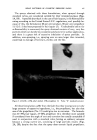
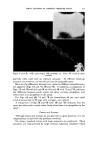
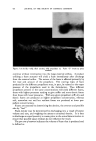
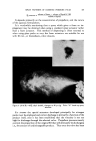
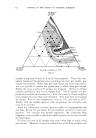
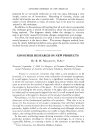
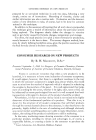
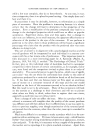
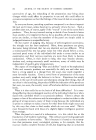
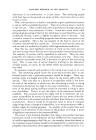
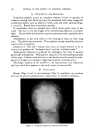
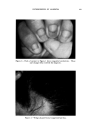
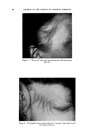
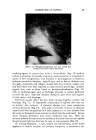
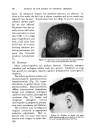
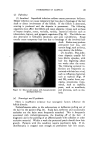
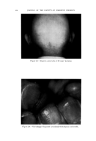
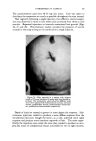
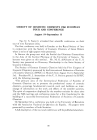
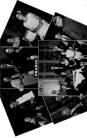
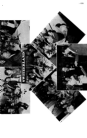
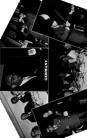
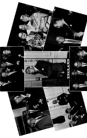
PATHOGENESIS OF ALOPECIA 495 The concentrations used were 10-25 rag., mi. water. Care was taken to distribute the suspension as evenly as possible throughout the area treated. Hair regrowth following a single injection of an effective steroid suspen- sion was observed in three to four weeks and continued from three to nine months. Repeated injections at intervals maintained hair growth (Figs. 26, 27 and 28). Histochemical studies revealed the presence of steroid crystals in the scalp as long as six months after a single injection. ?. •a•.:.. •...:.,.• Figure 2$.--Hair regrowth in a patient with alopecia totalis of 25 years' duration 10 weeks after local steroid in- jections. For comparative observation five different scalp areas were injected with hydrocortisone acetate, cortisone acetate, prednisolone acetate, hydrocortisone hernisuccin- ate, prednisolone hemisuccinate respectively. Depth of injection seemed to govern in some degree the response. Sub- cutaneous injections tended to produce a more diffuse response than the intradermal injections though the latter, as a rule, achieved more rapid response and produce more luxuriant regrowth of hair. The more super- ficially the injections were made the more they tended to produce an atro- phy-like waste of subepidermal tissues noticeable for two to eight months.

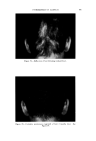
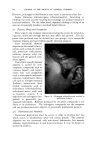
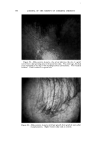
496 JOURNAL OF THE SOCIETY OF COSMETIC CHEMISTS Figures 26, 27, 28.--This 2S-year-old woman with extensive alopecia areata regrew a full head of hair with multiple injections of corticosterolds directly into the scalp. Figure 26. Figure 27.--3 months after institution of therapy.
Purchased for the exclusive use of nofirst nolast (unknown)
From: SCC Media Library & Resource Center (library.scconline.org)