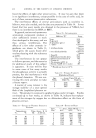
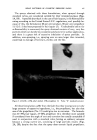
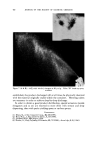
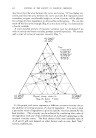
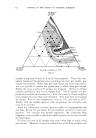
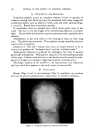
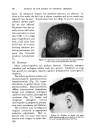
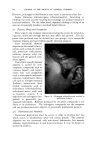
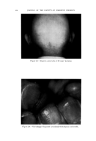
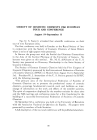
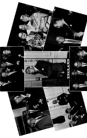
492 JOURNAL OF THE SOCIETY OF COSMETIC CHEMISTS However, prolonged trichotillomania may result in permanent hair loss. Lichen Chronicus Circumscriptus (Neurodermatitis). Scratching or rubbing of an area and the resulting hair breakage can produce temporary localized baldness. On the other hand, repeated rubbing or biting of an area can occasionally produce a localized hypertrichosis. (e) Poisons, Drugs and Occupation Many organic and inorganic chemicals entering the system by inhalation, injection, orally and through the skin may affect hair growth. The alo- pecias thus produced may be divided into two groups: toxic nonspecific chemical alopecia and toxic follicle-specific chemical alopecia. Toxic nonspecific chemical alopecia can be caused by heavy metals such as lead, by arseni- cals, potassium sulfocyanate, atobrine, quinine, ethyl car ..... • ........ 7.. barnate and the general anes- thetic agents. Toxicfollicle-specific chemical alopecia is caused by anti- .. ':• ....... neoplastic compounds such as •. .•..= ...... T.i :- '•'-3. "-• .... ' ': - cytoxan, heparin and hepari- noids folic acid antagonists such as aminopterin and meth- otrexate radiomimetic chemi- ..:. .. . cals such as nitrogen mustard '"' ':'" thallium unsaturated lipid- ' soluble compounds such as chlorothene (chlorbutadiene) substituted amino acids such as leucenol vitamin A in high doses and androgenic corn- Figure 21.--Prolonged trichotillomania resulted in permanent alopecia. pounds in genetically pre- disposed individuals. Baldness produced by the above compounds is not likely to be permanent. The androgenic compounds are the exception and can produce persistent alopecia in genetically predisposed patients. (f) Nutritional and Metabolic Nutritional deprivation must be severe in order to produce hair loss which occurs in kwashiorkor, sprue and coeliac disease. The common alopecias are not connected with nutritional deficiencies, but anemia, diabetes, hypervitaminosis A and hypovitaminosis A may be factors in producing alopecia.

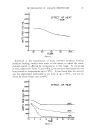
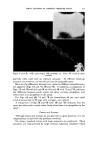
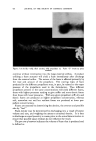
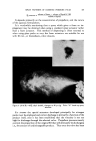
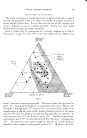
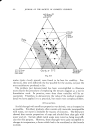
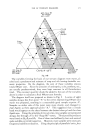
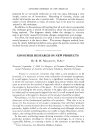
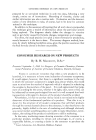
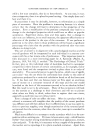
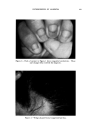
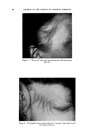
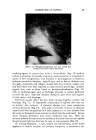
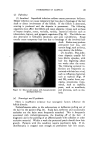
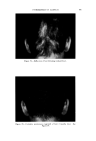
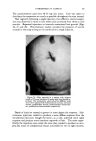
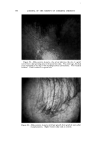
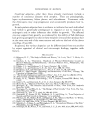
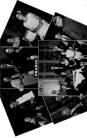
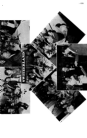
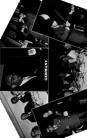
PATHOGENESIS OF ALOPECIA 493 (g) Dermatologic Disorders Atlopecia areata (Fig. 22), and its concentric, guttate, diffuse localized and diffuse generalized forms, ophiasis, alopecia totalis and alopecia universalis (Figs. 23 and 24) are the many forms of a bizarre-pattern alopecia of unknown etiology. Figure 22.--Typical alopecia areata of the scalp. Hair loss usually occurs fairly suddenly and is seldom accompanied by other symptoms, though premonitory paraesthesia sometimes occurs and mild erythema of the involved site may be detected early. The pathog- nomonic "exclamation point" hairs are present during the early active phase of the disorder. The course of the disease is unpredictable. Single patches usually regrow spontaneously in a few months. Recurrences are common and extensive to alopecia universalis, though rare, cannot be prognosticated. Response to oral or intralesional corticosteroid treatment is both diagnostic and therapeutic. Patients with alopecia areata, alopecia totalis and alopecia universalis have responded favorably to local injections of steroid suspensions of pred- nisolone acetate, hydrocortisone acetate, prednisone acetate, fluoro- cortisone acetate, hydrocortisone free alcohol, hydrocortisone diethyl- aminoacetate hydrochloride, methylprednisolone acetate, fiuorometholone, triamcinolone acetonide, triamcinolone diacetate (Fig. 25). The more insoluble the steroid the more effective it was in causing hair regrowth.
Purchased for the exclusive use of nofirst nolast (unknown)
From: SCC Media Library & Resource Center (library.scconline.org)