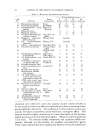
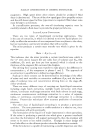
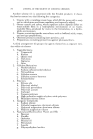
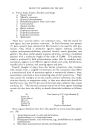
PROTECTIVE BARRIERS FOR THE SKIN :275 6. Fatty Acids, Esters, Alcohols and Soaps a. Stearic acid b. Metallic stearates c. Glyceryl monostearate d. Polyethylene glycol fatty acid esters e. Cetyl alcohol f. Stearyl alcohol g. Butyl stearate h. Isopropyl stearate i. Isopropyl palmirate j. Isopropyl myristate k. Spermaceti These lists--and the others--are impressive ones. And the search for new agents and new products continues. In East Germany two patents (7) have recently been obtained for film formers to be used for skin pro- tection. One, which is protective against organic solvents, contains sodium carboxyrnethylcellulose, polyvinyl alcohol, starch glycolate, and gelatin the other, useful against aqueous solutions, contains a butadiene polymer with a molecular weight of the order of 32,000. This polymer, which is produced by bulk polymerization rather than by emulsion poly- merization, appears to be effective against alkalis and acids, disinfectants, metallic salts in solution, and tanning agents and dyes. Usually thought of apart from the barrier protectives that interfere with attacks from a tangible environment are the sunscreens that effect a nonmechanical kind of protection against a nonmaterial element they, nevertheless, constitute a most interesting class of skin protectives. They may scatter the sunlight, as do talc, kaolin, calcium carbonate, zinc oxide• titanium dioxide, or magnesium oxide or they may selectively absorb the harmful sun's rays, that 0.2 per cent of the total solar radiation that causes erythema (8). The literature contains many lists of these agents including certain oils that have the ability to absorb ultraviolet radiation as follows: (9) Oil Total .'lmount of U. I/. Light .'lbsorbed, % Sesame oil 39 Cotton seed oil 26 Olive oil 23 Peanut oil 24 Coconut oil 23 Mineral oil Equal to or less than 0 Some organic chemicals that have the capacity to act as sunscreen agents are: (10) 1. Aminobenzoic acid, its salts and derivatives 2. Anthranilates, i.e.,o-aminobenzoates 3. Dihydroxycinnamic acid derivatives, e.g., umbelliferone or methyl- umbelliferone 4. Salicylates (amyl, phenyl, benzyl, menthyl, glyceryl)

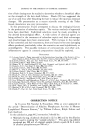
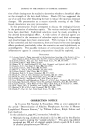
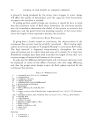
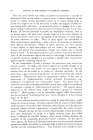
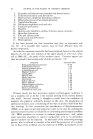
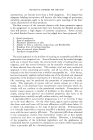
:276 JOURNAL OF THE SOCIETY OF COSMETIC CHEMISTS 5. Cinnamic acid derivatives (menthyl and benzyl esters) 6. Trihydroxycinnamic acid derivatives 7. Hydrocarbons (diphenyl butadiene, stilbene) 8. Dibenzalacetoneand benzalacetophenone 9. Naphtholsulfonates 10. Dihydroxo-naphthoic acid and salts 11. Coumarinderivatives 12. Diazoles 13. Quinine salts (bisulfate, sulfate, chlorate, oleate, tannate) 14. Quinoline derivatives 15. Uric and violuric acids 16. Tannic acid and derivatives 17. Hydroquinone It has been pointed out that isomerism may play an important role (11, 12). It is possible that isomers may be more effective than the parent compounds. An index for sunscreen materials has been proposed, based on the optical density of a 0.1 per cent solution of the agent placed in a 0.1 mm. silica cell at 3080 A.U., the peak of the sunburn curve. Common agents can then be ranked in decreasing order of index as follows: (13) Compound Sunscreen index Ethyl-p-dimethylaminobenzoate 14.80 Ethyl-p-aminobenzo ate 9.60 Isobutyl-p-aminobenzoate 9.20 p-Aminobenzoic acid 7.4 Digalloyl trioleate 2.3 Lauryl gallate 0.85 Salicylic acid 4.30 Methyl salicylate 4.00 Salicylamide 3.90 Sodium salicylate 2.40 Salicyl aldehyde 2.20 Dipropyleneglycol salicylate 1.90 p-Aminosalicylic acid 1.90 Methyl umbelliferone 7.70 Um belli fero ne acetic acid 6.00 Without doubt the best protection against erythemogenic radiation is not a cosmetic one at all but is the natural tanning of the normal human skin itself. Natural tanning is thought to result from the oxidation of melanin, the pigment ordinarily present in the skin, the production of additional melanin, and a thickening of the skin to protect itself from fur- ther burning. In this connection the introduction of dihydroxyacetone (DHA) as an agent imparting temporary color to the skin by staining the outermost layer has been attended by an interesting psychological problem (14). DHA produces no increase in melanin pigmentation and, unless some sunscreen absorbent is used in conjunction with it, no protection against sunburn can be expected. In the hands of the unknowing average person, who is inclined to transfer in his mind the protection of a natural tan to that of the artificial one, the wide use of DHA, particularly in the
Purchased for the exclusive use of nofirst nolast (unknown)
From: SCC Media Library & Resource Center (library.scconline.org)