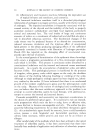
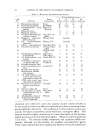
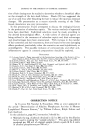
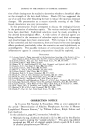
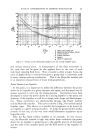
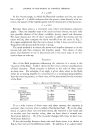
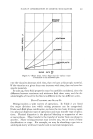
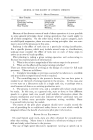
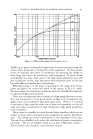
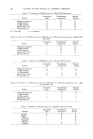
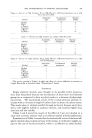
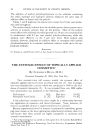
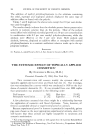
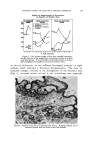
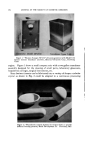
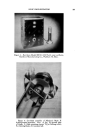
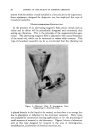
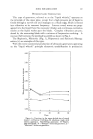
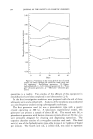
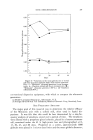
SONIC EMULSIFICATION 299 4.50 4.00 3.00 2.50 2.00 1.50 15 30 45 60 Days Figure 8.--Variations in the mean globule size of stored cod liver oil acacia emulsion made with various apparatus. Key: []--"Minisonic" ultrasonic generator (room tempera- ture) A--Charlotte colloid mill (room temperature) 1- "Minisonic" ultrasonic generator (40øC.) A--Charlotte colloid mill (40øC.) conventional dispersion equipment, with which to compare the ultrasonic generators. (a) Model G-3, General Electric Co., Schenectady, N.Y. (b) Sonogen AP-25-B with T-52 Transducer, Branson Ultrasonic Corp., Stamford, Conn. SIZE FREQUENCY ANALYSIS The major goal of this research was to determine the relative efficacy of the Minisonic unit with a colloid mill, often used in liquid dis- persions. It was felt that this could be best determined by a size-fre- quency analysis of emulsions stored over a period of time. The emulsions were diluted with a propylene glycol solution, placed in a haemocytometer cell, examined under the 43 X high power lens and photographed at 0, 15, 30, 45, and 60 days. Projected on a screen, approximately 1000 globules were placed in 1 micron class limits and the mean glolSule diameter,

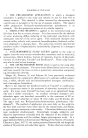
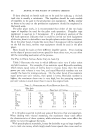
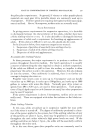
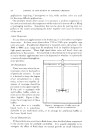
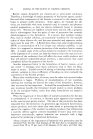
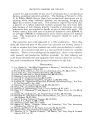
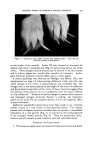
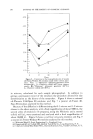
300 JOURNAL OF THE SOCIETY OF COSMETIC CHEMISTS 4.50 4.00 3.50 2.50 TOO 3.00 0 15 30 45 60 Days Figure 9.--Variations in the mean globule size of sesame oil-Tween 40-Span 80 emulsion made with various appa- ratus. Key: []--"Minisonic" ultrasonic generator (room temperature) A--Charlotte colloid mill (room temper- ature) 1--"Minisonic" ultrasonic generator (40øC.) A--Charlotte colloid mill (40øC.) in microns, calculated for each sample photographed. In addition to giving a permanent record of the emulsion the procedure allowed for size determination at the leisure of the researcher. Figure 6 shows a mineral oiI-Pluronic F-68-Span 80 emulsion and' Fig. 7 a peanut oil-Tween 40- Span 80 emulsion analyzed by this method. Because of the difficulty in differentiating the 0-1 micron and 1-2 micron classes in the above analysis, with a final magnification of about 5000 X, the second series of emulsions (4) prepared, using the Minisonic and a second colloid mill (e), were examined and analyzed with a final magnification of about 10,000 X. Figure 8 shows a cod liver oil-acacia emulsion and Fig. 9 a sesame oil-Tween 40-Span 80 emulsion analyzed by this method. (c) Minisonic Mark II, Sonic Engineering Co., Stamford, Conn. (d) Eppenbach QV-6-1 Colloid Mill, Admiral Tool & Die Co., Long Island City, N.Y. (e) Charlotte Colloid Mill, Model ND-1, Chemicolloid Labs. Inc., Garden City Park, N.Y.
Purchased for the exclusive use of nofirst nolast (unknown)
From: SCC Media Library & Resource Center (library.scconline.org)