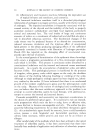
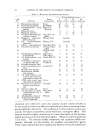
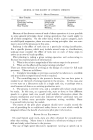
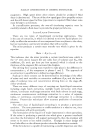
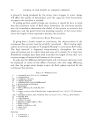
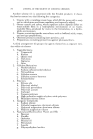
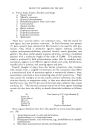
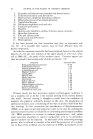
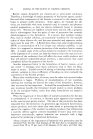
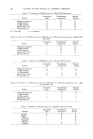
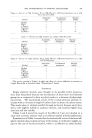
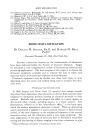
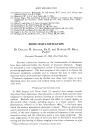
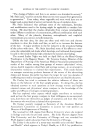
256 JOURNAL OF THE SOCIETY OF COSMETIC CHEMISTS TABLE 1--i•oTzNTIAL ANT•-SzBoRRHE•C AOENTS Code Name No. Chemical Commercial ,- .... Zone Inhibition in mm. .--, S. P. P. M. Aureus Ovale 10vale 2 Lanosum 13 Mercaptobenzothiazole Rotax 42 38 41 0 14 N-acetylbicycloheptene 264 (MGK) 36 Good 0 32 15 6-propylpiperonyl butyl Piperonyl 18 0 0 33 carbityl Butoxide 16 Piperazine citrate .... 0 0 0 0 17 Piperazine caprylate 0 0 28 0 .... 18 Glyodin (2-heptadecylgly- Crag (fruit fun- 0 0 17 0 oxalidine acetate) gicide) 19 Manganese ethylenehis- Dithane M-22 Insoluble dithiocarbamate 20 Zinc ethylenebisdithio- Dithane Z-78 Insoluble carbamate 21 Sodium o-phenylphenate Dowicide A flake 17 10 12 0 22 Para chlorometaxylenol Ottosept 3% al- 18 14 0 2 cohol 24 ....... MCP-90 (LOT 0 21 28 0 0-9) 25 Alkyldiaminoethylglycine- Tego 103 S 5 20 26 21 hydrochlorides CRL •Ot312 26 2-4 dichlorophenol ester Genite EM 923 29 29 30 31 benzene 27 N-trichloromethylthio- Captan 50 30 47 35 41 tetrahydrothalimide Vancide 89 28 Pentachlorobenzene thiol 31 0 0 0 29 Laurylisoquinolinium bro- Isothan Q15 22 30 35 29 mide 30 Benzalkonium chloride ..... 26 27 32 32 31 Benzalkonium chloride ..... 11 2 0 3 plus shampoo 33 2-4 dichlorophenol ester ..... 40 29 24 23 benzene plus lauryl iso- quinolinium bromide (29) 34 0.25% ortho benzyl para Solrex 0 0 35 20 chlorophenol in shampoo 40 Bis-laurylt rime t h y lam- Theradan 43 12 10 12 monium polythionate 3% 39 Selenium sulfide 2% Selsun 3 3 7 10 41 2,2' methylene his (3,46- Hexachloro- 40 25 18 15 trichlorophenol) 3% in phene isopropanol 38 Chlorohexidine diacetate Hibitane 33 28 26 0 47 P-chlorobenzyl-p-chloro ..... 0 20 8 0 phenyl sulphoxide chemicals were utilized in 2 per cent aqueous alcohol solution (Table 1). It was noted that the most effective chemicals were those containing a halo- genated phenolic derivative. The addition of a sulfur radical to many com- pounds introduces a keratolytic action which has a synergistic effect. This premise would be highly satisfactory if it were descriptive of the bacterio- logical spectrum of all anti-seborrheic agents. However, unfortunately this is not basic. The selenium sulfide compounds and cadmium sulfide com- pounds, although not bactericidal, are excellent anti-seborrheic agents. Their modus operandi has been explained by Butcher (9) by the interference '

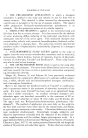
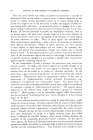
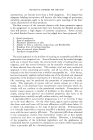
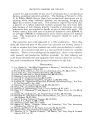
DISORDERS OF THE SCALP 257 of the sulfhydryl participation in epidermal keratinization. The above agents are available on prescription only. A recent medical report extols the value of an allantoin tar detergent preparation (Sebical). The allantoin, because of its keratin-dispersing qualities, has been added to the anti-seborrheic formulation. Flesch (11) has demonstrated this property in the laboratory and has therefore advo- cated its use in the treatment of psoriasis of the scalp and the body. Lub- owe and Mecca (12) have explored the therapeutic possibilities of a new compound, an allantoin acetyl methioninate in the disorders of the pilo- sebaceous system. A_ preliminary report will be published shortly. The associated hair fall which occurs frequently in the second, third and fourth decades of life may be related to seborrhea capiris which is prevalent during this period. There are various beliefs as to the direct association of hair fall and seborrhea. However, in my clinical practice, I have observed that frequently the control of seborrhea capiris may mini- mize the percentage of hair fall in the male. Recently an alarming dermatological entity, namely diffuse hair fall in women, has been described in the medical literature. Guy and Ed- mundson (13), Sulzberger (14) and Lubowe (15) have described the rapidly increasing prevalence in the female of this serious condition. Etiological factors which have been suggested are: the incautious use of hair cos- metics, permanent waving, hair dyes, hair tints and hair lacquer,. Savil (16) has reported the unusual hair fall following the continuous and active use of hair brushes containing pointed or irregular nylon bristles. Evi- dently many of the nylon bristles present irregular sharp ends which act as a irritating and mechanical force in loosening the hair shaft from the hair follicle. Discontinuance of the nylon brush is followed by the sub- sequent regrowth of hair. Slepyan (17) has also described the traction alopecia which is manifested by the thinning of the frontal and parietal area of the female scalp following the continuous wearing of the ponytail coiffeur. The setting of the hair by winding it around rollers, curiers and bobby pins may also be a contributing factor. The proper, intelligent use of hair cosmetics has been productive of little damage to the hair shaft and hair follicle. In patients in whom permanent waving or dyeing aids in the maintenance of mental adjustment of the female patient, the topical use of the permanent wave or dye will minimize and neutralize any pos- sible injurious effects. The possible inclusion of hydrocortisone or glycyr- rhetinic acid, also an anti-inflammatory agent, in hair dyes, hair lacquer and permanent waving solutions should be explored. The use of silicone agents after hair cosmetic treatments aids in the duration of the specific treatment and effect. The availability of both alcohol and aqueous soluble silicones projects increased interest in these compounds. The recent introduction of the hot steamer in the accelera-
Purchased for the exclusive use of nofirst nolast (unknown)
From: SCC Media Library & Resource Center (library.scconline.org)