ION EXCHANGE RESINS AND THEIR APPLICATIONS TO DRUG AND COSMETIC PRODUCTS By ROBERT W. P•v,c•v^•* Presented •anuary 9, 1962, Chicago SINCE THEIR INTRODUCTION in 1948, synthetic ion exchange resins have played an important role in the field of biochemistry. The unique properties of ion exchange resins received early attention in the phar- maceutical industry where they were used as active ingredients in antacid formulations (1), sodium reduction therapy products (2), gastro and acidity indicators (3), as well as intestinal absorbants (4). Their wide range of uses in analytical procedures and processing applications for the recovery and purification of antibiotics, vitamins, alkaloids, amino acids, etc., has il- lustrated that ion exchange resins are perhaps one of the most versatile chemicals available to the modern day chemist. As understanding of the equilibria and kinetics of ion exchange resins developed, especially of their inter-reaction with the electrolyte environment of the gastro intestinal tract, the principles of ion exchange were soon applied by the pharmaceutical chemist to the development of a unique basic approach to the modification of oral drug compounds. Today, a host of drug preparations, utilizing an ion exchange resin mechanism of drug release, are receiving considerable attention by the medical pro- fession because of their unique properties. They achieve sustained re- lease and prolonged drug action (5) and, as a result, provide a reduction of drug toxicity and side effects (6). They stabilize drugs (7) as well as provide a reliable approach to tablet disintegration (8) and taste masking. In recent years, the work of Thurmon (9), Thorns (10, 11) and Richardson (12) has illustrated the broad utility of ion exchange resins as a new funda- mental approach to the development of highly effective therapeutic and cosmetic topical products. The concept of ion exchange has been applied to the chemistry of the skin, where the standard reactions of ion exchange polymers--neutralization, ion interchange and deionization--have been utilized to achieve such desirable effects on the skin as: * Rohm & Haas Company, Resinous Products Div., Philadelphia 5, Pa. 291

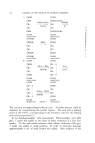
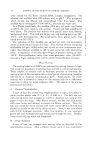
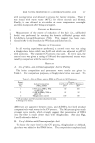
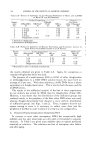
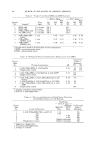
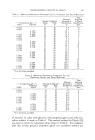
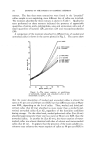
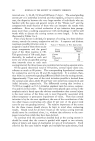
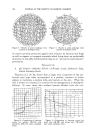
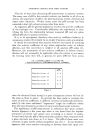
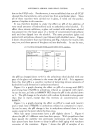
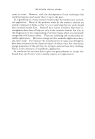
:292 JOURNAL OF THE SOCIETY OF COSMETIC CHEMISTS (a) Control and maintenance of pH at optimum levels (b) Sustained, nonirritating release of bacteriostatic and fungistatic agents (c) Nonfi•gitive absorption of skin toxins and irritants (d) Deodorization Ion exchange resin-based formulations have been developed for such diversified cosmetic and therapeutic topical applications as after-shave preparations, face and body powders, underarm deodorants, baby powders, hand and face creams, protective skin creams, poison ivy preparations, surgical dusting powders, etc. NATt•Rv. ov Ios Exc. Asov. Rv. sxss An ion exchange resin may be considered as an insoluble, large organic, three dimensional molecule, to which are attached a great number of acid or basic functional groups. The chemical behavior is determined by the nature of the polar group attached to the polymer. The four categories of functionality found in ion exchange resins are strong acids (sulfonic), weak acids (carboxylic), strong bases (quaternary amine) and weak bases (polya- mine). The chemical characteristics of each of these structures are out- lined in Table 1. In the synthesis of an ion exchange resin, high molecular weight insol- uble polymers are formed by the co- polymerization of such monomers as styrene with divinylbenzene, form- ing bead shaped particles, as illus- trated in the photomicrograph TABLe. 1 Exchange Capacity (Milliequiva- Functional Effective lent/Dry Group pH range Gram) Sulfonic 1-14 5.0 Carboxylic 5-14 10.0 Quaternar. y 0-12 3.5 ammonlum Polyamine 0-8 10 0 shown in Fig. 1. A two dimensional illustration of the structure of a sul- fonated polystyrene resin is presented in Fig. 2, illustrating the location of sulfonic functional groups throughout the resin matrix. Figure 3 pre- sents a similar sketch of the structure of a quaternary, ammonium type, anion exchange resin. One of the best means of studying the behavior of an ion exchange resin is by means of its titration curve. Figures 4 and 5 show typical titration curves for strong and weak acid cation exchange resins and strong and weak base anion exchange resins. Depending upon the strength of the acid or base group, each resin undergoes standard reactions typical of weak and strong acids and bases such as neutralization, salt formation, hydrolysis, etc. Figure 6 compares typical equilibrium reactions of a strong acid sulfonic type resin with those of a weak acid, carboxylic type, cation ex- change resin. Similar equations are provided in Fig. 7 for the cases of strong and weak base anion exchange resins
Purchased for the exclusive use of nofirst nolast (unknown)
From: SCC Media Library & Resource Center (library.scconline.org)