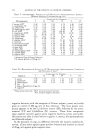
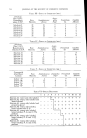
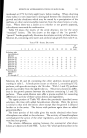
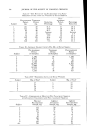
748 JOURNAL OF THE SOCIETY OF COSMETIC CHEMISTS METHOI)S AND RESULTS The compositions of the test lotions are shown in Table I. The ethyl alcohol content of 55% by weight was selected since it is in the upper limit of the commercial lotions tested, which ranged from 40 to.60%, with the majority being between 45 and 55%. The effectiveness of alcohol in reducing the number of viable organisms on the skin has been amply confirmed. According to Hatfield and Lockwood (11), however, the con- centration of alcohol necessary to accomplish degermation or disinfection ranges from 70 to 95% by weight. Of the aromatic alcohol, benzyl alcohol appears to be the only one tested in recent years. It is difficultly soluble in water, which may explain its limited antiseptic properties. Prombo and Tilden found that 4% benzyl alcohol by weight in water was less effective than 70% ethyl alcohol (12). TABLE I--TEsT SOLUTIONS Weight Percent Solution #1: Water 45.0 Ethyl alcohol 55.0 Solution #2: Benzyl alcohol 0.5 Water 44.5 Ethyl alcohol 55.0 Solution #3: Propylene glycol 4.5 Water 40.5 Ethyl alcohol 55.0 Solution #4: Benzyl alcohol 0.5 Propylene glycol 4.5 Water 40.0 Ethyl alcohol 55.0 Solution #5: Benzyl alcohol 0.50 Perfume 0.75 Propylene glycol 4.50 Water 39.25 Ethyl alcohol 55.00 Solution #6: Same as #5 with 1.5% perfume Solution #7: Same as #5 with 3.0% perfume Propylene glycol and other glycols are active as virucides, particularly in the vapor state. In solution they are not nearly as active, and it was found here that their addition to after-shave lotions does not add to the antiseptic properties of the solutions. The first of the in vitro methods used to measure the relative efficiencies of the test solutions and commercial lotions was a modification of Kliewe and Huthmacher's procedure (13). Sterile agar was seeded with various cultures of bacterial and fungi. Nutrient agar was used for the $taphy/ococcus aureus ATCC 6538 culture, and a mixed bacterial culture isolated from the face. Potato dextrose agar was used with •Ispergi//us niger ATCC 6275 and Penici//ium species. Sabouraud dextrose agar was used for Candida a/bicans ATCC 752 culture.

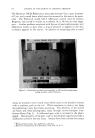
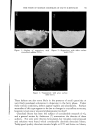
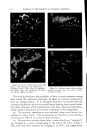
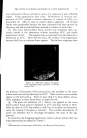
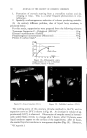
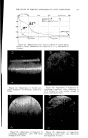
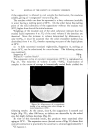
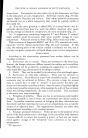
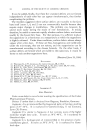
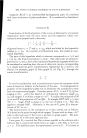
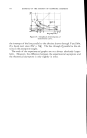
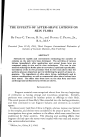
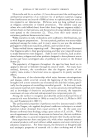
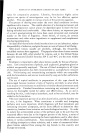
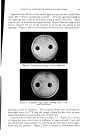
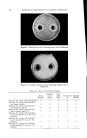
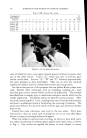
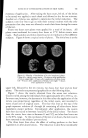
EFFECTS OF AFTER-SHAVE LOTIONS ON SKIN FLORA 749 Approximately 20 ml. of the seeded agar was poured into sterile Petri dishes 100 X 20 min. and allowed to harden. After the agar had solidified, two openings were made in each plate, using a sterile cork borer. These were 18 min. in diameter and approximately 20 min. from the edge of the plates. Exactly 0.2 ml. of the material to be tested was placed in the openings. Figure 1 shows a control plate inoculated with ztspergillus niger Figure 1.--Control plate showing no zone of inhibition. Figure 2.--Aspergillus niger culture showing about 3 mm. zone of inhibition. showing no zone of inhibition. The bacterial plates were incubated for forty-eight hours at 37øC and the fungal culture for five days at room temperature before measuring the zones of inhibition. Typical zones of inhibition are shown in Figs. 2-4. Figure 2 is a culture of •tspergillus niger with a zone of inhibition of approximately 3 ram. and was obtained by using solution •7, containing the after-shave lotion ingre- dients and 3% perfume. Figure 3 shows a culture of Penici//ium with a
Purchased for the exclusive use of nofirst nolast (unknown)
From: SCC Media Library & Resource Center (library.scconline.org)