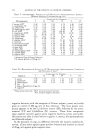
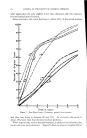
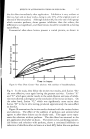
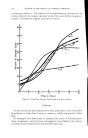
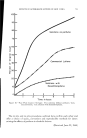
762 JOURNAL OF THE SOCIETY OF COSMETIC CHEMISTS upon it must be shown that dandruff fbrmation has been significantly lessened. This would indicate at least a microbial association. The approach suggested here would require frequent and accurate measurements of scurf production correlated with the absence of a scalp microbial flora. Some experimental work along similar lines has been done by Pachtman (7), who found no correlation between the number and type of bacteria on the skin of persons with and those without seborrheic dermatitis. Lubowe (8) concluded that the effectiveness of a dandruff agent is a function of its ability to reduce the number of scalp bacteria and fungi. Both workers estimated the scalp conditions by visual examination. Spoor (9) asserted that the extent to which bacteria infect the scalp is one of the factors which governs dandruff formation. The increasing number of commercial preparations which contain anti- microbial ingredients, and which have been accepted by the public, is recog- nition o(, and possible proof of, their ability to control dandruff. Except for visual observation of changes in the condition of the scalp during clinical trial there are no known methods for measuring the effectiveness in vivo of these preparations. The technique described in this paper measures the changes in weights of scurf samples removed at regular intervals prior to, during, and subsequent to treatment with an antimicrobial agent. Although the method should be of value in the testing of commercial antidandruff products, the purpose of this investigation was to determine what changes in scurf production are brought about by the elimination or radical reduction of the microbial flora from the scalp. METHOD Nine males were selected at random, with no consideration given to their scalp conditions. Each was given instructions to be followed throughout the seventy-three days of the experimental period. I•e was permitted to shampoo his hair with a non-medicated product one week before the begin- ning of the test. Thereafter, shampooing and swimming in chlorinated pools were not permitted. The investigation was divided into four periods. Z. Pre-samp/ing Period (7 Days). During this time any special treat- ment of the scalp was discontinued, and each subject was permitted only to apply tap water to his scalp three times each day. No samples of scurf were removed. 2. Pre-treatment Period (12 Days). During this time the tap water treatment was continued, and samples of scurf were removed three times a week. Treatment Period (25 Days). Each subject was asked to massage one- half ounce of the following antibiotic mixture into his scalp three times a day

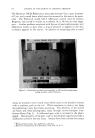
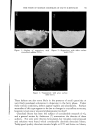
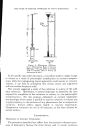
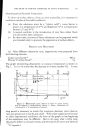
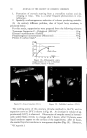
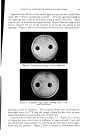
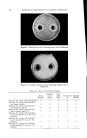
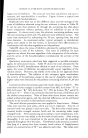
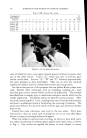
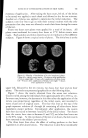
RELATIONSHIP BETWEEN DANDRUFF AND MICROBIAL FI,ORA OF THE SCALP 763 instead of tap water. This mixture was selected because it does not represent any known existing commercial preparation. It is both antibac- terial and antifungal, particularly against the yeasts which are known to inhabit the scalp. Neomycin sulfate 2.5 g. Nystatin* 500,000 units Distilled water 1000 ml. During this period samples of scurf were removed three times each week for four weeks. ¾. Post-treatment Period (26 Days). The application of the neomycin- nystatin mixture was discontinued, and the use of tap water was resumed. Samples were removed as before for a total of 11 samples. Method of Removing Scurf Samples. Scurf was removed from the scalp with the aid of the Oster HairVac Model 215. This hand type of electric vacuum cleaner is manufactured by the John Oster Manufacturing Co. of Milwaukee, Wisconsin. It is supplied with disposable, sterilizable filter pads which collect the sample. It also has replaceable plastic heads which can be chemically sterilized. When in operation the apparatus is passed over the scalp 24 times in such a way as to assure a uniform collection each time. Six passes through the scalp from temple and forehead to nape of neck are repeated four times. Each subject was permitted to collect his own sample. Samples for microbiological studies were collected and trans- ferred to culture media under sterile conditions. Observations on Scurf Samples. The weights of all samples were recorded. Smears were made, stained with Loe•er's methylene blue and examined microscopically for the presence of yeasts, principally Pityrosporum ovale and P. orbiculare (10). An evaluation of each sample was made on the basis of the average number of yeasts counted in each oil immersion objec- tive field. The effectiveness of the treatment in reducing or eliminating yeasts from the scalp during the treatment could thus be ascertained. A sample was rarely examined which did not show a few of the typical P. ovale yeast forms. During the period of treatment it was usual to find one to two yeasts per field. During the pre-treatment period it was normal to find 30 to 50 yeasts per field. Bacterial counts were made with Trypticase Soy agar (B.B.L.) as the medium. The scurf samples, after being weighed, were placed in a flask containing 100 ml. of sterile saline and a few glass beads. After being shaken for one-half hour, aliquot portions were piperted into sterile Petri plates, and the agar was added. During the period of treatment many samples showed plate counts of zero. Where colonies were seen, the num- ber of organisms per milligram of sample was recorded. * Nystatin is available as Mycostatin© and was supplied by E. R. Squibb & Sons, New York.
Purchased for the exclusive use of nofirst nolast (unknown)
From: SCC Media Library & Resource Center (library.scconline.org)