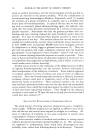
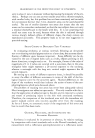
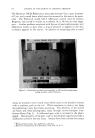
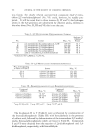
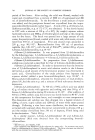
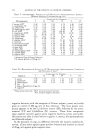
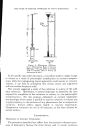
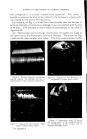
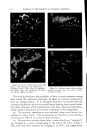
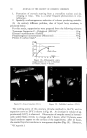
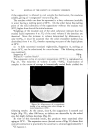
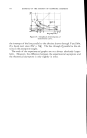
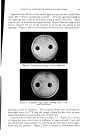
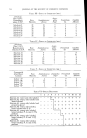
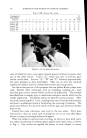
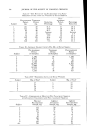
754 JOURNAL OF THE SOCIETY OF COSMETIC CHEMISTS TABLE VIII--SERIAL DILUTIONS Commercial 15 After-Shave (Con- Lotions 1 2 3 4 5 6 7 8 9 10 11 12 13 14 trol) Lotion "A" Lotion "B" -- Lotion "C" -- -- -- Lotion "D" Lotion "E" 4- 4- 4- 4- + + + + 4- 4- 4- Figure 5.--In vivo plate inoculation. zone of inhibition tests, once again showed greater inhibitory powers than any of the other lotions. Lotion "C," which was next in activity, gave similar results here. Lotions "A, .... D" and "E" followed approximately the same patterns as they had before. Thus two in vitro test methods confirm the relative activity of after-shave lotions and components. For the in vivo portion of this program the new plastic Rodac plates were used. Several other techniques such as swabbing, washing, etc., were tried but gave erratic results which could not be duplicated. The method described here is simple, easy to administer and gives results which can be readily duplicated. The Rodac plates are ideal for several reasons. They are small, measuring 60 X 5 min., making them easy to handle and incubate, and have a molded grid pattern facilitating the counting of colonies. The plates were filled to the top with sterile nutrient agar and allowed to harden prior to use. Twenty-five male volunteers took part in the test series. They were instructed to shave as usual each morning but not to use any after-shave lotions or soaps containing antibacterial agents. When the subjects reported each morning, an initial or base level count was taken by pressing a hardened plate against each cheek area, as shown in Fig. 5. One technician applied the plates to each subject to assure

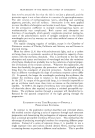
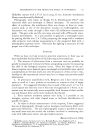
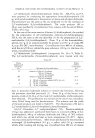
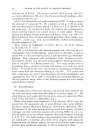
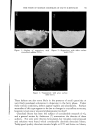
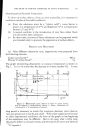
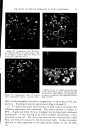
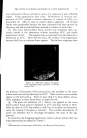
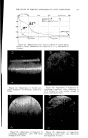
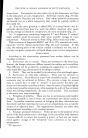
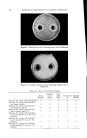
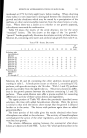
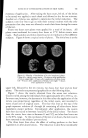
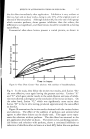
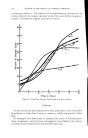
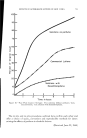
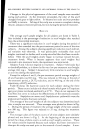
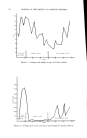
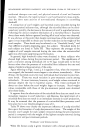
EFFECTS OF AFTER-SHAVE LOTIONS ON SKIN FLORA 755 evenness of application. After taking the base count, 0.3 ml. of the lotion to be tested was applied to each cheek and allowed to dry for ten minutes. Another set of plates was applied to determine the initial reduction. The subjects •xere now free to go on with their normal routines with the only precaution that they were not allowed to wash their faces during the course of the test. Every two hours new plates were applied for a total of six hours. All plates were incubated for twenty-four hours at 37øC before counts were made. Each solution and lotion tested was run in triplicate on five different subjects. Figure 6 shows a typical series of plates. The initial one is at the Figure 6.--Results of incubation of in vivo inoculated plates. Upper-left--initial upper center--10 minutes after application of lotion upper right--2 hours after application of lotion lower left•4 hours after application of lotion lower right--6 hours after application of lotion. upper left, followed by the ten minute, two hour, four hour and six hour plates. The results are presented graphically on the following slides. Figure 7 shows the results obtained from the seven test solutions. Counts varied among the individuals from approximately 25 to 150/sq. cm. In every case, however, the decrease in skin flora after the application of the lotions was proportional, regardless of the initial count, and recorded in terms of per cent of original count. The four thin lines at the top of the graph represent solutions #1 through #4 containing all after-shave lotion ingredients except perfume. Immediately after application, the counts have been decreased to between 5 and 25% of the initial values Two hours later the counts have risen to between 55 and 75% and after four hours are in the 85o5/o range. At the conclusion of the test at six hours, the skin counts have returned to the subjects' pre-test level. The three lower lines show the effect of adding perfume to the basic ingredients in after-shave lotions. The reduction in skin flora immediately
Purchased for the exclusive use of nofirst nolast (unknown)
From: SCC Media Library & Resource Center (library.scconline.org)