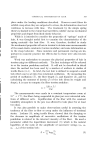
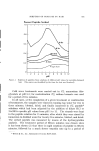
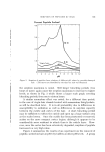
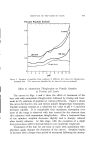
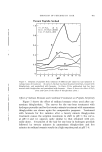
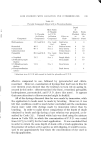
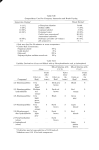
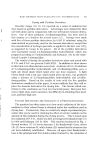
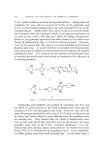
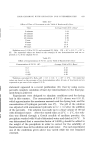
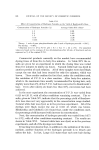
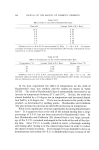
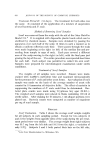
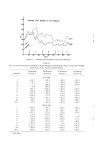
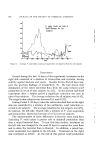
SORPTION OF PEPTIDES BY HAIR 603 Percent Peptide Sorbed 4.C)-- I I I I I I -- 3.C)-- -- 2.0 Virgin hair 1• 2 3 4 5 6 7 8 9 10 11 12 pH Figure 3. Sorption of peptides from solutions of different pH values by peroxide-damaged hair. (The curves are identified by the time the hair was bleached) the sorption maximum is noted. Still longer bleaching periods (two hours or more) again cause the sorption maximum to increase to higher levels, as shown in Fig. 3 which shows a larger scale graph covering bleaching periods, from one to sixteen hours. A similar anomalous effect was noted, for a different time period, in the case of virgin hair strands treated with ammonium thioglycolate, as will be described later. It is in all probability due to differences in susceptibility to oxidation as well as differences in sorption capacity between the cuticle and cortex of the hair. A short bleaching period may be sufficient to soften the cuticle and open up a large surface area as the scales loosen. Once the cuticle has tmen penetrated or removed, action on the more compact cortex begins, although it appears to be considerably more resistant to attack than is the cuticle layer. How- ever, once the cortex has been extensively degraded, sorption of peptide increases to a very high value. Figure 4 summarizes the results of an experiment on the removal of peptide, sorbed on hair at pH 6 by buffers at other pH levels. A group

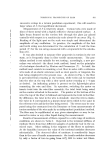
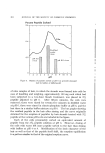
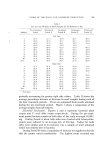
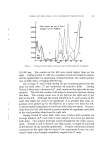
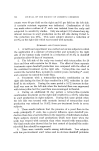
604 JOURNAL OF THE SOCIETY OF COSMETIC CHEMISTS Percent Peptide Sorbed 0.6 0.4 0.2 Distilled - water rinse pH 4.0 rinse pH 8.0 rinse Figure 4. 1 2 3 4 5 6 7 8 9 10 11 12 pH Elution of peptides sorbed at pH 6 on peroxide-damaged hair by buffers of differing pH of nine samples of hair, in which the strands were formed into coils for ease of handling and weighing, approximately 100 mg each which had been subjected to a two-hour bleach treatment, was placed in 5% peptide adjusted to pH 6. After fifteen minutes, the coils were removed three were rinsed for twenty-five minutes in distilled water at pH 6, three were rinsed in citrate-phosphate buffer at pH 4, and the last three in a similar buffer mixture at pH 8. The bar graphs showing the residual peptide in the hair after rinsing and the curve originally obtained for the sorption of peptides by hair strands treated with 5% peptide at the various pH levels are included in the figure. Each of the coils presumably sorbed an equivalent amount of peptide from the 5% peptide solution at pH 6. However, rinsing of the coils with water left more peptide sorbed to the hair than rinsing with buffers at pH 4 or 8. Modification of the ionic character of the hair as well as that of the peptide itself shift, the sorption equilibrium to a pattern similar to that of the original sorption curve.
Purchased for the exclusive use of nofirst nolast (unknown)
From: SCC Media Library & Resource Center (library.scconline.org)