J. Soc. Cosmetic Chemists, 18,629-639 (Sept. 16, 1967) A Comparison of the Bacterial and Yeast Flora of the Human Scalp and Their Effect Upon Dandruff Production RAYMOND W. VANDERWYK, Ph.D. and KARIM E. HECHEMY, M.S.* Presented November $0, 1966, New York City Synopsis--A half-head experiment was carried out on ten subjects. Through the applica- tion of yeast-inhibiting or bacteria-inhibiting antibiotics to either side of the human scalp, the effect upon dandruff was determined. Samples of dandruff scales (scurf) were removed separately from each side with an Oster HairVac and the weights determined. During a 91-day experiment it was shown that a reduction of the yeast flora was more effective in con- trolling dandruff than was a reduction in the number of bacteria. INTRODUCTION Previous studies (1-8) have indicated that the microbial flora of the scalp is a mixed one, comprising at least 25 species of bacteria, 15 species of yeasts, and 31 species of molds. While our knowledge of the identity of scalp microorganisms has increased, a causal relationship of individual representatives or groups of microorganisms to the problem of dandruff has not been established. VanderWyk (9), using a quantitative gravimetric method for removing and measuring the amount of human dandruff production, showed * Massachusetts College of Pharmacy, Boston, Mass. 02115. Research from the Department of Microbiology, Division of Biological Sciences, Massa- chusetts College of Pharmacy, supported by a grant from John H. Breck. Inc., a division of American Cyanamid Co. 629

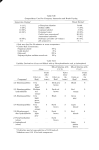
63O JOURNAL OF THE SOCIETY OF COSMETIC CHEMISTS that an almost complete elimination of the microbial flora lessened the severity of dandruff by 31% in seven out of nine subjects studied. It is the purpose of this investigation to determine whether the bac- terial flora or the yeast flora has the greater influence upon scurf pro- duction. Included among the yeasts is Pityrosporum ovale, normally found in 80% of human scalps and considered by some to be dandruff- associated. It should be possible to control the nature of the scalp microbial flora by applying selectively acting antibiotics or mixtures of them to either side of the human scalp. Tetracycline* was used to control the bacteria and nystatinl to control yeasts. A mixture was applied when it was desired to suppress the entire microbial flora. Using the method of VanderWyk (9), scurf samples were removed with an Oster HairVac from both sides of the scalp prior to and during treat- ment. Quantitative comparisons based upon the weight of the samples indicated the severity of dandruff on both sides. METHOD Ten subjects were selected at random without consideration of their scalp condition. Each subject was given detailed instructions to follow throughout the entire experimental period. He was permitted to shampoo his head once with any nonmedicated product of his own choice one week before the start of the testing. Thereafter shampooing and swimming in chlorinated pools were not permitted. Sampling Periods The entire experiment lasted for 98 days and was divided into six sampling periods. Samples of scurf were removed and weighed on Monday, Wednesday, and Friday of each week. Pre-sampling Period: (7 days). During this time any special treat- ment of the scalp was discontinued, and each subject was permitted to apply only tap water to his scalp. No scurf samples were removed. Pre-treatment Period: (12 days). During this time the tap water treatment was continued, and samples of scurf were removed from both sides of the scalp three times weekly. This period established "nor- mal" scurf values for each subject. Treatment Period A: (26 days). Each subject was given two prep- * Tetracycline was supplied as Achromycin½ by Lederle Laboratories, a Div. of American Cyanamid Co., Pearl River, N.Y. I Nystatin was supplied as Mycostatin• by E. R. Squibb & Sons, Iq. ¾.
Purchased for the exclusive use of nofirst nolast (unknown)
From: SCC Media Library & Resource Center (library.scconline.org)