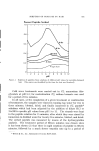
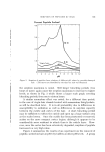
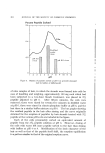
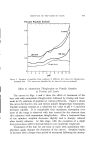
FLORA OF THE SCALP AND DANDRUFF PRODUCTION (531 arations, one to be applied on the right and the other to the left side of his scalp. One-half ounce of each was massaged into the appropriate side three times a day instead of the tap water which had been used during the pre-treatment period. tions are: Prep. LS-A (left side) Tetracycline 2.0 g Susp. P. ovale 1.0 ml Tap water 1000 ml The formulas for the two prepara- Prep. RS-A (right side) Tetracycline 2.0 g Nystatin 500,000 units Tap water 1000 ml The saline suspension of P. ovale organisms was obtained by isolating this yeast from the scalp of one of the subjects and was equal in density to that of a No. $ MacFarland nephelometer tube. The mixture of antibiotics applied on the right side of the scalp is inhibitory to both bacteria and yeasts, while Prep. LS-A used on the left side is inhibitory only to bacteria. During this period scurf samples were removed from both sides three times each week. Treatment Period B: (26 days). During this time the treatment on the right side of the scalp remained the same as in Period A. The formula for Prep. LS-B applied on the left side was: Prep. LS-B (left side) Nystatin 500,000 units Bacterial susp. 1 ml Tap water 1000 ml The bacterial suspension was prepared before the start of the experi- ment. Approximately $ mg of scurf from each subject was placed in 50 ml of thioglycolate broth. After incubation, the suspension o[ mixed bacterial flora was adjusted with saline to a turbidity equal to that of a No. $ MacFarland nephelometer tube. Prep. LS-B allows the bacterial flora to flourish in large numbers and at the same time inhibits the growth of P. ovale and other yeasts. Scurf samples were removed from both sides 3 times each week. Treatment Period C: (14 days). During this time the treatment on the right side of the scalp remained the same as before. Antibiotic treatment on the left was omitted entirely, and the preparation applied consisted of a mixture of suspensions of scurf bacteria and P. ovale prepared as previously described. The usual samples were removed three times weekly.

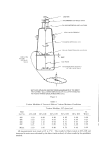
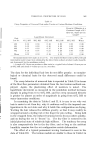
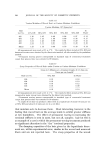
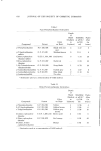
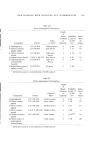
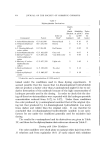
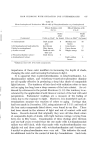
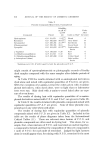
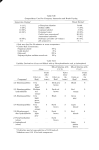
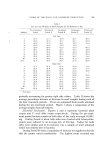
632 JOURNAL OF THE SOCIETY OF COSMETIC CHEMISTS Treat•rzent -period D: (13 days). The treatment for both sides was the same. It consisted of the application of a mixture of suspensions of scurf bacteria and .P. ovale. Method of Removing Scurf Samples Scurf was removed from the scalp with the aid of the Oster HairVac Model 215.* It is supplied with disposable plastic heads which can be sterilized by chemical means. Samples were obtained by passing the apparatus over each half of the scalp 12 times in such a manner as to obtain a uniform collection each time. Three passes through the scalp were made beginning at the right (or left) of the median line and pro- ceeding from temple to nape of neck. Each pass covered a different area of the scalp moving to the right (or left), with the final pass just grazing the top of the ear. The entire procedure was repeated four times for each half. Each subject was permitted to collect his own scurf. Samples were prepared for microbiological examination under sterile conditions. Treatment of Scurf Samples The weights of all samples were recorded. Smears were made, stained with Loeffier's methylene blue and examined microscopically for the presence of _P. ovale and other yeast forms. An evaluation of each sample was made on the basis of the average number of yeast cells counted in 10 immersion oil objective fields. The effect of nystatin in suppressing the numbers of .P. ovale could thus be determined. Bac- terial plate counts were made using Trypticase Soy agar (B.B.L.). The weighed scurf samples were placed in flasks containing 100 ml of sterile saline. After shaking for 10 minutes, 1 ml aliquot portions were plated out. Bacteria counts were computed as number of organisms per mg of scurf sample. RESULTS Scurf Evaluation. Table I shows the average scurf sample weights for all subjects in each sampling period. Except for two subjects (3 and 5) the weights from opposite sides of the scalp during the pre-treat- ment period were very similar. The average weight from eight subjects was 33.7 mg from the left side and 34.5 from the right, a variation of only 2.3%. Subjects 3 and 5 both parted their hair on the left side, * John Oster Manufacturing Co., Milwaukee, Wis.
Purchased for the exclusive use of nofirst nolast (unknown)
From: SCC Media Library & Resource Center (library.scconline.org)