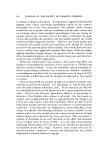
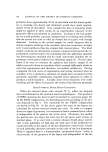
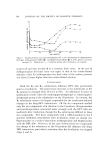
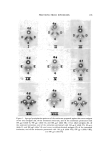
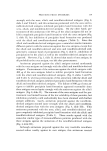
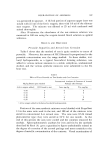
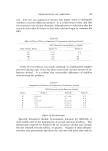
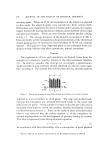
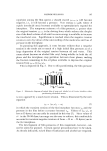
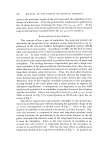
158 .JOURNAL OF THE SOCIETY OF COSMETIC CHEMISTS 42 •o 3O r• •4 o 40 80 120 160 AREA / MOLECULE, •,z Figure l. Surface pressure versus area per molecule for L-a-dipalmitoyl lecithin on acetic acid- sodium acetate buffer (pH 5.9) at 25øC and ionic strength 0.1. Key: O, zero concentration of chlorpromazine HC1, irradiated and nonirradiated I, 1 X 10-•M chlorpromazine HC1, nonirradiated a, 1 X 10-•M chlorpromazine HCI, irradiated the DPL film (6). On compression of each of the mixed films, the =-A curves gradually approach that of the pure DPL film. At high pressures (• 30 dynes/cm) the mixed film curves coincide with the pure DPL curve, indicating ejection of the phenothiazine molecule from the film (6). Irradiation modified the =-A characteristics of most of the drug-film systems investigated. In the case of the chlorpromazine-DPL mixed film, an increase in surface presure at all areas per molecule developed on irradiation (Fig. 1). This expansion suggests an increased film interac- tion and penetration by the photoproduced species. Promazine had no influence on the •-A curve of DPL film indicating no drug-film interaction. Irradiation of this system also had no effect on the •--.4 characteristics. Thus, it appears that any photospecies produced as a result of the irradiation possesses approximately the same de•ee of •eactivity toward the DPL film as does promazine itself. Triflupromazine interacts with the DPL to form a mixed film (Fig. 2). The •--.4 characteristics of this mixed film are similar to that observed with the chlorpromazine-DPI, system. However, in contrast to the latter, ir-

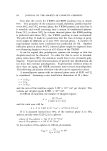
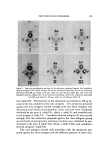
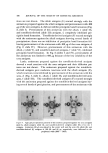
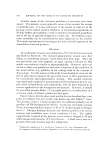
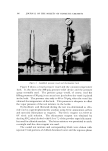
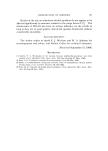
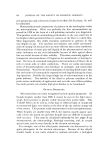
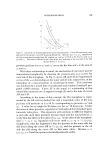
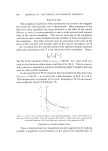
PHOTOSENSITIZED REACTIONS 159 •4 0 40 80 12q •60 AREA/MOLECULE, A •' Figure 2. Surface pressure versus area per molecule for L-c•-dipalmitoyl lecithin on acetic acid- sodium acetate buffer (pH 5.9) at 25øC and ionic strength 0.1. Key: O, zero concentration of triflupromazine HC1, irradiated and nonirradiated I, 1 X 10-•M trifiupromazine HC1, irradiated and nonirradiated radiation of the trifiupromazine-DPL system produced no detectable change. Again, as with promazine, it may be concluded that any photo- species produced apparently interacts with the film to the same extent as the starting compound. The •--A curve of the prochlorperazine-DPL film is slightly more ex- panded than that of either chlorpromazine or triflupromazine, indicating an increased degree of interaction. Irradiation of the prochlorperazine-DPL fihn resulted in an additional increase in area/molecule (Fig. 3), similar to that observed with chlor- promazine, indicating a further increase in the drug-film interaction. Trifluoperazine and ttuphenazine behave somewhat differently than the other members of the group. Both of these compounds penetrate the DPL film to a greater degree than any of the others, exhibiting this effect even at maximum trough area (• 160A=DPL molecule). Irradia- tion, in contrast to the effect observed with the other compounds, resulted in an initial decrease in surface pressure. On compression of the ir- radiated trifluoperazine-DPL film, the =-A curve gradually approached that of the nonirradiated film (Fig. 4). Under similar conditions, the
Purchased for the exclusive use of nofirst nolast (unknown)
From: SCC Media Library & Resource Center (library.scconline.org)