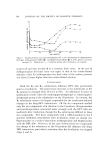
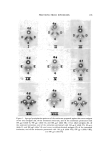
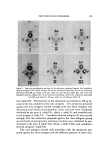
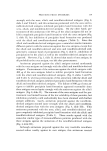
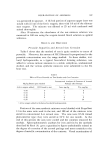
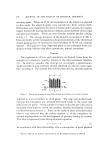
1)EGRA1)\rI'ION OF -\ER()SOLS 185 l•igure 1. Glass and pressure vessel assembly

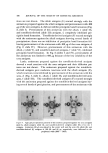
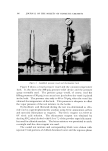
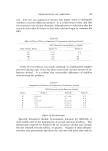
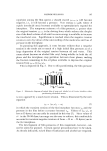
186 JOURNAL OF THE SOCIETY OF COSMETIC CHEMISTS Figure 2. Assembled presstire vessel and thermostatic bath Figure 2 shows a closed pressure vessel and the constant-temperature bath. It also shows the 200-psig pressure-relief device and the pressure gauge normally used. The pressure gauge would, of course, read the filling pressure of 50 psig in an actual test just before the vessel is placed in the bath. The pressure rises only to 60 to 70 psig when the vessel has attained the temperature of the bath. This pressure is adequate to offset the vapor pressure of the test mixture in the bottle. Hydrochloric acid liberated during the test was determined as chlo- ride ion by a spectrophotometric analysis using ferric ammonium sulfate and mereuric thiocyanate as reagents. The ferric reagent was 0.25I in 8N nitric acid solution. The thiocyanate reagent was obtained by shaking 95% ethyl alcohol with 0.4 wt % of the powder especially manu- factured for chloride analysis. The latter mixture was permitted to settle overnight and the clear reagent was used. The cooled test mixture and corresponding blank were shaken with separate 15-ml portions of chilled, deionized water and the aqueous phase
Purchased for the exclusive use of nofirst nolast (unknown)
From: SCC Media Library & Resource Center (library.scconline.org)