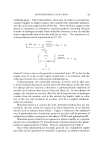
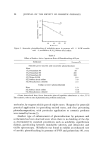
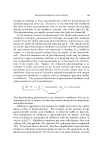
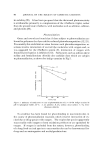
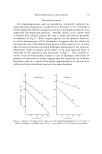
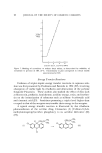
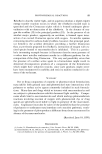
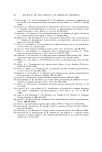
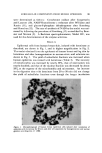
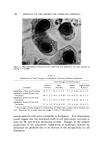
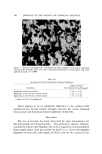
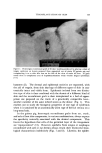
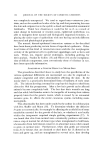
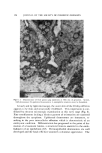
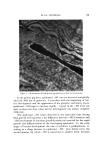
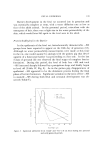
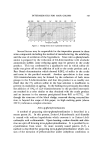
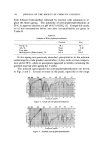
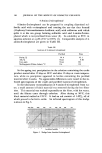
114 JOURNAL OF THE SOCIETY OF COSMETIC CHEMISTS •..•r• . •/ • • ... • .. • "'- •'• •:':•:: • " •3•' • .... ß - •,. • •:'• %'%:•'. ..• .......... •. •:•, •i..:•:• • • ....... ...•.:• .. •':'.•,,• • '-• ... • ............. . •.• :•ff'•..• .... • .... •, .z.•. .• • •a •'•:• .... '¾". • • .... y•:•:.½ •.•x:s: .... :-.- • •" ,x ' . • •:•. •.: •:'• ,,. ....... ..- ...... :•g.• :, • :':'•., • •.' . .... : . :• •.- .•.• .... k.•. • .... •' •.,.•..'•-'-•' • b• •-"• " ."'. .... - .... .• •': ' .' ,.•. • . .,. •- -.. .• •-,. •.• •.. .: •?• .- .... • •...•,• •,•,,. ............. • .... ß • , •._ f.. :-.• J •' ...... . . t•. • • •...: ?. ,.v • •L .. * • :,.? .... •.' .• ::.•..• .,• •-• .:• •z• '."Z½::.f• y •-.. "..• •.• -: • .:. .• •:•.:.. . .• % . ..• • .- • .... • ...... • • • . ,.•.. • ............ :• . . .. .. • •-.- %• .... i .... . •.•.y: • .•:•.• .... •:•: .•.-• * :,-.=:•::: ..• • :. .' . -•-. . .... . ß -: ,-- :•:..?-:: . { x- ..d:'•. -:?- 4 '•' •::,'¾ •: ,. •:• .:• • ,. • -' • .• . -?• •..• : •,•....,. • ..• • • •. •. -*• .• ,.. •,.½,x .... .: '.•[ •..• ,. . ::•,•:•,...•z,z- .:.• •:, ':•.•-• •'•'•:•.z •: • -' ß ,•'• •, •' i ß . •,..• ..... •g•: .... •.• •. : • ".• ....... • • -•. ,• .•.- •. .•4•. ,. • •,: .: '• .•.: .-. ::& ß . •. " :.3. •.• '-•'-: •-•-•. - • ß ". . . ....... . ...... , ........ • •.•.• ..• •: . ß . .• •'-' .... •' ß .•.• •'. .•:,f•.- ..... ...½ • ........... - • •- • .•.--- •-. • ..... - •. .• ...... •:.-..z,•.... r: g?..• ß ..... , ........ • -• ....... •, .,• ........ •,.. •.• .... ... _.. , •*•.:• ,. •. ß •:k•_,•, • .•.... :..,,, • :•....s, --• ....... i. . ..... •,..•. •-• ..... :-.•,•,•. ß • •, •-,. ,. • .•.• ........ .•:. Figure 2. Transverse section through recombinant tonic epidermis-sole of foot dennis graft of 100 da•s' standing on a g•inea pig's chest. Despite its long residence on an •nnat•ral t•p½ of dennal substrate, the linguM epidermis has faithfully consumed its st•ctural charac- teristia (X 35). mis that lines the hamster's cheek pouch conserves its specificity when caused to gzow upon ear skin dermis. These findings indicate that, whereas the specificities of the general trunk epidermis (including that of sole and ear) behave as if they are determined by the continuous operation of distinctive morphogenetic stimuli froin the dermis (i.e., their basal layer cells are equipotential within certain limits), there are other aberrant types of epidermis, includ- ing those of tongue, esophagus, cheek pouch, and probably cornea and vagina, in which the specificity seeins to be intrinsically determined. Al- though we have not recombined ear skin epidermis with tongue or cheek pouch dermis, it seeins unlikely that the range of its equipotentiality would be wide enough to enable it to generate structural specificities corresponding to these types of connective tissue. HETEROTOPIC TRANSPLANTATION OF SKIN TO THE RAT'S UTERUS Recently, a new approach to the analysis of epidermal specificities has been under investigation by the author and Dr. Alan Beer. They chartcud upon this new approach in the course of transplanting free skin

TRANSPLANTATION OF SKIN 115 grafts, or viable suspensions of epidermal cells prepared from tail skin, to the uteri of genetically compatible virgin female rats (12). These grafts were being used as models of Nature's transplants--i.e., blastocysts which implant naturally onto the wall of the uterus and develop into embryos. It was found that if genetically compatible skin grafts--short cylinders of everted tail skin in practice--are inserted into the lumen of the uteri and the hosts are given an intramuscular injection of 50 •g estradiol benzoate to sinrelate the "estrogen surge" necessary for the natural implantation of blastocysts, the grafts rapidly became united to the untraumatized en- dometrial surface and survived indefinitely. In this unnatural site the grafts regenerated sparse fur crops characteristic of tail skin. The epi- thelium of these grafts showed absolutely no tendency to migrate beyond the limits of its own derreal substrate over the adjacent endometrial sur- face. However, in hosts that were treated weekly with estrogen, so. as to maintain a state of chronic estrogen dominance, epidermis began to mi- grate across the endometrial surface, undermining or otherwise displac- ing the native epithelium and becoming firmly united to the underlying uterine mesenchymal stroma. In this way heterotypic epidermal/mesen- chymal reco.mbinant tissue was produced equivalent to that resulting from the grafts described in the previous section. CephMad, migratory activity of the skin epidermis terminated abruptly in the uterus at the uterotubal junction. Gaudad, "tongues" of stratified skin epidermis mi- grated down to and passed through the cervix into the contralateral un- grafted uterine horn, progressively replacing its native epithelium and producing more heterotypic recombinant tissue. On its alien uterine substrate the epidermis of tail skin origin failed to generate any appen- dages, though it did grow down into the uterine glands displacing Ihe native columnar epithelium. When suspensions of epidermal cells were injected into the uteri of estrogen-treated rats, the cells "implanted" on the endometrial surface, generating small loci of epidermal outgrowth. When grafts of tongue mucosa were placed in a rat's uterus, under conditions of estrogen domi- nance, lingual epithelium migrated over the uterine stroma even more vigorously than that of skin, and it also maintained its own specificity. These observations reinforce those obtained by the other procedures de- scribed above, showing that there are intrinsically determined differences between the germinal cells of lingual and trunk epidermis. The capacity of both types of epidermis to replace the native endometrial epithelium towards which they behave as if they enjoy a powerful selective advantage
Purchased for the exclusive use of nofirst nolast (unknown)
From: SCC Media Library & Resource Center (library.scconline.org)