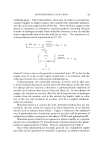
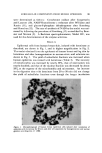
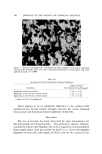
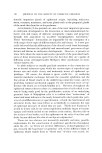
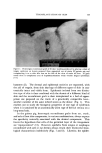
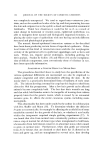
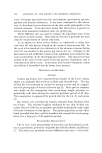
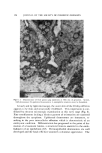
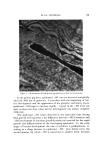
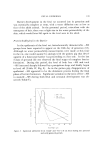
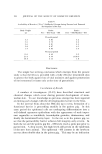
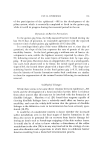
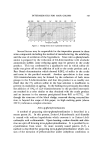
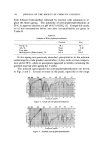
196 JOURNAL OF THE SOCIETY OF COSMETIC CHEMISTS .•-•:- .' • .:•'"•" • -.' '•:•" . :.':' ', • .5 --•.--:• •. .. -:. :- • . .?: •. . . • "-• .•: •. .• : • •- . . •,•,. • .:- . : . ':.•- • • %%.•... . -•.'.-- • .• . ': -•2 .. • . • ..• .• . ..... . .........:.. . ß ... ... .: •. . • . .. .... . .. • :. .... :... .... ...: .. . •:•' :•,.:•3'•.7 • •-•%:•e•'• •'.:-.. '•:• '.• .• :•:,-..-,.,....• • • •x. •.. •, .• . • • 2' '•" ß '. -•? ' 'h .•' --- '• ..... •- .'•.' •' • ß • - - •-: •.?'..• - ' -?• :' '•.' :• • •d.' '" X •" g ...... -'. --:% .'• •-'•, • '• • ß .•. ,• z.• •' ..: • '• 2 j: • - . • .-.•,.• •- .... ff * . ...•..•. • .... .: •':-•- • ..... 2:.. • '.' '7• '•:' ":- '•.• •" • .• •'•'•:: • • • ::: . '...•. ß .•. : e• ...... •. - -- . '. • .•?-• :- •. .... •:•..• .•.. •.• .:- ' •--'• :-'".•:' • ' %:•5½4•.. "." .".':• .':.• .•. -5':'% • -?." :.-- --"-' .•{' -:•' -•':•' •: • ..... ß ..•- - ß •' - "2a ..$: " ..:•:m.: ..... .:•.? _ .......... • ....... •. ",,•t.?. • :.v ' ' ::'Y' • •: •'•' %'• :-2}:•'.• '• '•'• 'h 2• •' • ' * •:• •,•.-- ' ':2 "• - ..... ß .. -v- '• ...... • .. . :•._. • ......... "• • .• ½•:•:•'? .• .• : .• • .... •...• " • ' • -' -'. '•' :•SJ •:e• ..•_ '.• ..... ' •'•:•%'•. '•": •' ':•':• '%•:•.: .... '::%7." •--x-:'::•t'... : '*" •.• '•' . '- -' $?.',"•:" . • • ...... .•: '•::• :..' .• v:il '•'•' ¾' -" •':.' •.• ' 2.:. : '•::". '&: ::.• ..:•-' • •-:,:•-v 'W: .... ....' •'-• :. '..•&•q: '• "•: ............ ß .... '•-• ..•'-•$ . •: ..• - '"' •:. • 'q:: '• • 2"• •:• "• "• ... •---•2' • -x .'• • •-- 4'.. ' •v•-. • • ' .-•. , : :.:'% • '•-- •- W•$•7 • •' • •3,• ... ' - •3:•':• .....' ..•.x•. '.•: •..•..--.•:-•:•v ',.'• .• ' " -•.. • ß '5 "--a .......... •.e .: ' - ...... * •-[-. • - a•* .' ,:. r .... ' •' .-• : ' ½•':--•-- :. .•.• •.. • :• :,• •:• .•.• ..... $ ...• .•'.•e • 2' %" • ..... •'• • '• •'" :• •"'!7•5'¾" •-.&.•d,z -i..- -• ...... ......' • • -- . ,. . •. .•. • .... . . ...... ,. . ..: ß •. •:: :-:- ... . . .... • "...'•* :• :.:'. ' •- .-,• •. L• • . •. '•. ' ..:,• •': ß . ...•. =...... ½--- . .., .. • .. ½ ß . -: . (-...•.. z._. * •'* •, .• .. ........ •... .... '*•,• ......... ... ..... " .•.......: :•.•.:-.-: .: : •. '•... *":•,•"*'*...., .½:. '•q& '*'%'- • • .... ½5' '.. '*• :' '•,,½• ',• ..... • .•. •.•:•-•: ,• ½. - •½-•**...,:.: ..• .. .... ...: ß ,c•, •% '4' :: •- ..._,,.- x..•...: ,-•.• ---." ß .:.. - .'.•- •:• - . - ." c - •"--' : ': .. • ' '" '."'"".• Figure 2. Uhrastructure of fetal guinea pig epidermis at 40th day of gcstation. Arrows, half-desmosomes D, epidermal desmosomcs L, osmiophilic structures (may be lyso•mes) Grossly and by light microscopy, the outer skin of the 40-day old fetus appears to be thin and structurally ill-defined. This impression is con- firmed by electron microscopic examination at this early stage (Fig. 2). Fine tonofilaments lacking a distinct pattern of orientation are scattered throughout the cytoplasm. Epidermal desmosomes are immature, re- sulting in the poor intercelhdar adhesion which is characteristic of an embryonic condition. Differentiation has progressed to the point of for- mation of a basement lamina, a structural feature essential to the estab- lishment of an epithelium (12). Dermoepithelial desmosomes are well developed and the basal cells have assumed a columnar appearance. The

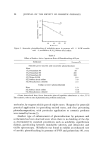
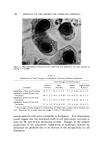
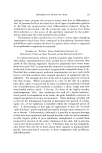
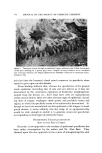
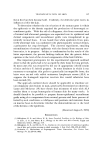
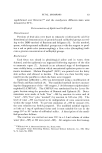
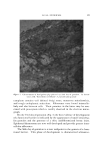
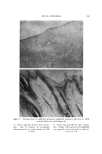
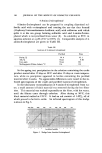
FETAL EPIDERMIS 127 Figure 3. Ultrastructure of fetal guinea pig epidermis at 53rd day of gestation. D, desmo- somes DB, "Dark Bodies of Odland" K, keratohyalin granule cytoplasm contains well defined Golgi zones, numerous mitochondria, and rough endoplasmic reticulum. Ribosomes were found intracellu- larly and also between cells. Their presence in the latter may be asso- ciated with pinocytosis which is readily observed in the electron micro- graph. On the 53rd day of gestation (Fig. 3) the first evidence of development of a functional barrier is indicated by the appearance of small keratohya- lin granules and the presence of a thin, undifferentiated horny layer. Epidermal desmosomes are now well developed and provide greater inter- cellular adherence. The 56th day of gestation is a near midpoint in the genesis of a func- tional barrier. This phase of development is characterized ultrastruc-
Purchased for the exclusive use of nofirst nolast (unknown)
From: SCC Media Library & Resource Center (library.scconline.org)