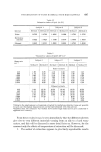
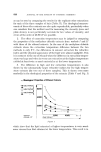
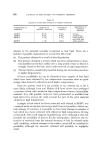
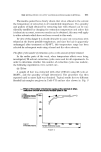
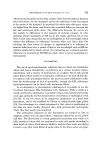
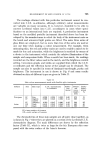
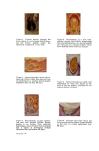
Figure 8 Grey standard scale and goggles in use. Facing page 738

MEASUREMENT OF SKIN COLOUR IN VIVO 739 standard photographic techniques concern reproducibility of results, and in this respect black and white photography is in advance of colour. Nealon (18) used black and •vhite photography to measure the skin lightening effects of mercury compounds. His method was to photograph an area of skin together with a set of neutral standards of known reflectance value, and then to read the photographic prints on a densitometer. A photographic technique using uv light has been described by Lunnon (19). This makes use of the facts that uv radiation is strongly absorbed by melanin and does not penetrate the skin below the epidermis so that there is little scatter of the reflected rays. Photographs obtained by this method show good definition and enhanced contrast between pigmented and non- pigmented areas of skin. This technique has been further refined by Callen- der (20) who has developed a portable camera uv source system. Jarrett (12) briefly mentioned the use of uv photography combined with densitometry in the study of pigmented skin conditions. So far the method has been mainly used qualitatively, though it opens up possibilities in quantitative studies of skin pigmentation. Difficulties in processing colour films to a standard degree, even when a set of colour standards are included in each photograph, have resulted in colour photography being little used to date as a quantitative means of measuring changes in skin colour. Lerner and McGuire (3) used colour photography qualitatively when measuring changes in skin colour pro- duced by melanocyte stimulating hormones. As mentioned earlier, they made recordings of skin reflectance using a spectrophotometer, and at the same time took colour photographs of their four subjects before and after treatment. There were differences in the appearance of the subjects before and after treatment, but the photographs were not used as the basis of quantitative measurements. CONCLUSIONS It is not possible to recommend any one particular technique for the measurement of skin colour in vivo, because no two workers have exactly the same requirements or operate under the same conditions. The simplest method is that using visual standards, while the recording spectrophoto- meter lies at the other end of the scale. In general, complex instruments provide more detailed information than simple ones. The final choice of a measuring technique therefore depends on a combination of factors: the type of experiment to be undertaken, the information required, the nature
Purchased for the exclusive use of nofirst nolast (unknown)
From: SCC Media Library & Resource Center (library.scconline.org)