COOLING EFFECT OF COLD CREAMS 349 •v

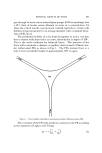
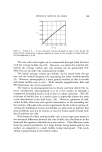
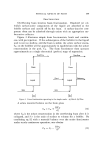
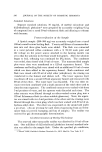
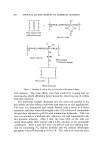
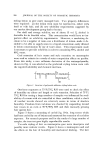
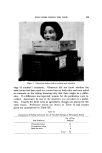
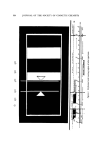
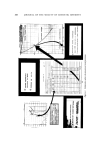
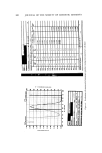
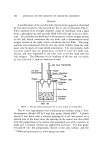
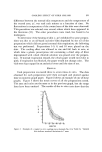
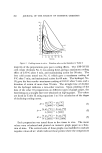
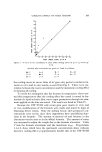
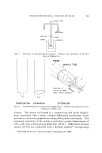
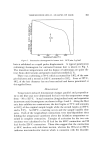
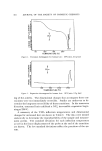
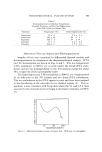
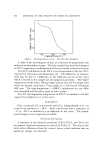
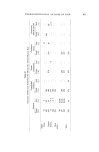
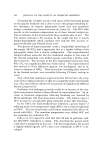
350 JOURNAL OF THE SOCIETY OF COSMETIC CHEMISTS Methods A modification of the wet-dry bulb thermometer apparatus described by List and coworkers (14) was used for the in vitro evaluations (Fig. 1). This consisted of an air-tight chamber, made of styrofoam, with a glass front, a plexiglass top, and partially filled with silica gel to act as a desic- cant. The chamber was fitted with a thermometer-rubber stopper system on the left, which constitutes the dry bulb, and a thermometer-metal stopper system on the right, which constitutes the wet bulb. The prep- arations were introduced directly into the metal cylinder from the oint- ment tube by means of a specialized attachment. The thermometer bulb was then placed into the preparation, rotated to cover the bulb com- pletely, and then suspended at the same level as the dry bulb with the cork stopper. The difference in the readings of the dry and wet bulbs, At, was read each 1/2 min as a function of time. Silica Gel Figure 1. Wet-dry bulb thermometer for in vitro testing of cooling effect The in vivo experiments were conducted on students using a tele- thermometer (Model 43TA) * and skin probe (Model 408).* A plastic stencil 2 mm thick with a circular opening of 4 cm •' was placed on a smooth area of the lower arm the opening in the stencil was then filled with the preparation to be tested, and smoothed over with a spatula to make sure a constant volume was applied for each test. The skin probe was placed into the preparation, moved to the skin surface, and the ß Yellow Springs Instrument Go., Yellow Springs, Ohio 45387.
Purchased for the exclusive use of nofirst nolast (unknown)
From: SCC Media Library & Resource Center (library.scconline.org)