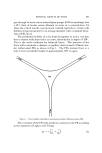
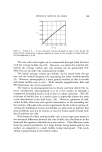
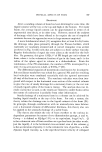
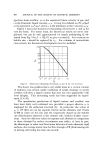
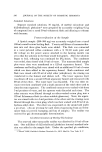
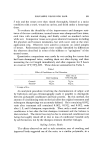
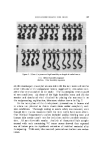
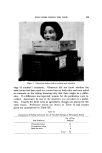
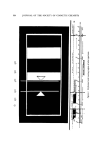
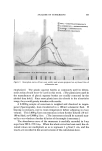
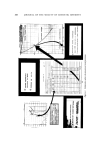
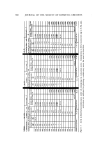
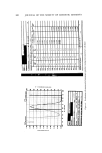
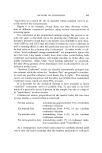
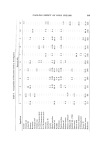
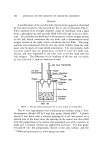
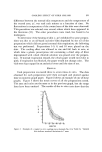
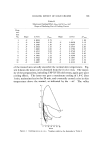
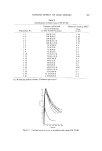
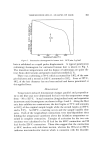
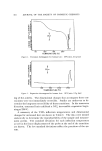
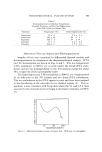
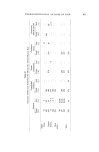
COOLING EFFECT OF COLD CREAMS Table II Maximum Cooling Effect Atma x and At tma x and Slopes of Declining Part of Cooling Curves 353 Prep- ara- tion No. Slope in Vitro Atmax Slope in givo At truax 1 k 2 0.8055 2.75 ... ? 2 k 2 0. 3065 1.59 k 1 0. 8458 3 k • 0. 2920 1.50 k I 0. 6247 4 k • 0. 3832 1.15 k • 0. 3955 5 k • 1. 0000 1.00 k • 0. 5782 6 k • 0. 6951 9.02 k • 0. 0768 7 k 2 1. 2196 5.72 k • 0.1309 8 k • 4. 1906 1.21 k • 0. 6398 9 k • 0. 9932 6.44 k • 0.1841 10 k0 0.1588 10.48 k0 0.1157 11 k • 1.0827 5.89 k • 0.0110 1 8o 2 15 2 13 2 83 2 55 2 67 2 83 2.23 2.77 5.93 2.83 ot5 the treated area actually exceeded the normal skin temperature. Fig- ure 4 shows the mean curves obtained from the in vivo tests. The major- ity of the preparations, including USP XVIII cold cream, again gave poor cooling effects. The latter one gave a maximum cooling of 1.8øC after 1 min, maintained action for 20 min, and eventually caused a rise in skin temperature above the normal, as indicated by the --•xt'. The valley 6 I / \ -I I I I I I I 0 [0 20 •0 40 50 60 Minutes FigUre •. Goolin• cur•es • •vo. Numbers refer to the formulas in •blc •

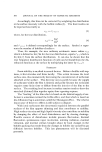
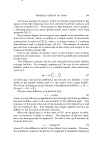
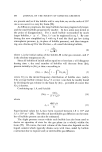
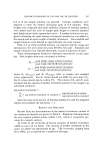
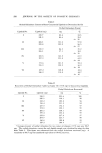
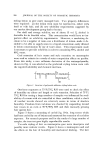
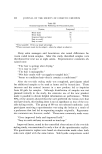
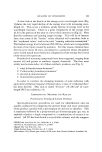
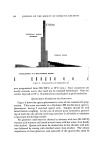
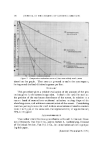
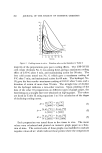
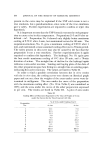
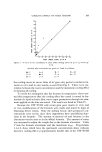
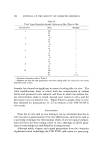
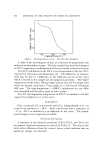
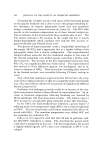
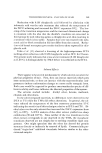
354 JOURNAL OF THE SOCIETY OF COSMETIC CHEMISTS present in the curve may be explained if the USP cold cream is not a true emulsion, but a pseudoemulsion, since none of the true emulsions gave a valley. Further experiments are required to confirm or reject this hypothesis. It is important to note that the USP formula was not the only prepara- tion to cause a rise in skin temperature. Preparations 2-5 and 8 also ex- hibited --at'. Preparation No. 6 showed only slightly better maximum cooling of 2.75øC after 4 min, but maintained action for 60 min. The suspension-emulsion, No. 11, gave a maximum cooling of 2.83øC after 1 min, and maintained a more sustained cooling effect over a 70-min period. The valley present in this curve may also be caused by the fact that the preparation is not a true emulsion. Further experimentation is again required to confirm this hypothesis. The hydrogel, No. 10, again gave the best result--maximum cooling of 6øC after 20 rain, and a 70-rain duration of action. The straight line of decline for the hydrogel again indicates a zero-order reaction. Semilog and log-log plots of the data of the other preparations gave best fitting to a straight line on semilog paper, indicating first-order reactions. The values are listed in Table II. In order to find a possible correlation between the in vitro results with the in vivo data, the cooling curves were drawn on identical graph paper and cut out then the weights of the areas under curves were de- termined in milligrams. The area under the curve of the preparation with the maximum cooling effect (No. 10 in Table I) was considered as 100% and the areas under the curves of the other preparation expressed in per cent. The results are listed in Table III. A plot of area under Table III Cooling Effect of Ointments Expressed in Per Cent of Weight of Areas under the Curves for the Time Interval 0-65 Min Preparation % of Area under Cooling Curve No. in vitro in vivo 1 2 3 4 5 6 7 8 9 lO 11 11.1 10 5 11 3 38 45 51 5 3O 9 91 23.4 100.0 48.2 23 8 2 7 100 46 70 I 7 21 27 27 2 9 0 0 0 8
Purchased for the exclusive use of nofirst nolast (unknown)
From: SCC Media Library & Resource Center (library.scconline.org)