552 JOURNAL OF THE SOCIETY OF COSMETIC CHEMISTS cal products, the present authors investigated the use of isopropyl myris- rate (IPM) to solubilize the petrolatum in petrolatum-gauze bandages for a sterility test of this item. An exposure ot• 10 min in heat-sterilized IPM at either room or .elevated temperatures of 48 or 52øC resulted in severe losses to known cell populations of P. aeruginosa. The loss in count at 25øC was 92%, whereas the loss at 48 and 52øC was 94 and 87%, respectively. However, control cell populations had to be established for 48 and 52øC to separate the effect of loss by heat destruction from loss due to exposure to IPM at these temperatures. The toxicity of heat- sterilized IPM was further confirmed by the inability to recover con- sistently low level inoculations (less than 100 organisms per package) of P. aeruginosa or spores of Bacillus subtills from petrolatum gauze band- ages extracted with IPM at 52øC for 10 min. Tsuji and coworkers (6) recently provided an explanation for the toxicity from heat-sterilized IPM. They noted that low-level inocula (100 cells or less) of E. coli and P. aeruginosa were destroyed at room temperature within 10 min with heat-sterilized IPM. Furthermore, the sensitivity of P. aeruginosa to this solvent varied considerably between isolates and also between IPM obtained from different suppliers. This toxicity was significantly reduced if the IPM was filter-sterilized prior to use. It was suspected that the increase in toxicity of heat-sterilized IPM was due to the release of free fatty acids with a resultant decrease in pH. Although these findings confirmed our experience with heat-sterilized IPM, our group had already developed an initial isolation procedure which employed surface-active agents in the initial isolation broth. A reappraisal is currently underway to assay the sensitivity of P. aeruginosa to filter-sterilized IPM held at various temperatures up to 52 øC. Since it has been established that topical products include items that are oily or water-insoluble, the use of surface-active agents to allow mi- crobial contact with the aqueous phase of broth media product mixtures as well as to neutralize several classes of preservatives was considered apropos. Kallings et al. (7) and Buhlmann (8) recommended the use of 10% polysorbate 80 (Tween 80 •) in buffered diluents at 40øC for ho- mogenization of ointments or other water-insoluble products. The So- ciety of Cosmetic Chemists of Great Britain (9) suggested polysorbate 80 as a wetting agent and either polysorbate 80 or polysorbate 20 (Tween 20 •) along with lecithin as inactivators for several classes of preservatives in cosmetic products. Based upon the authors' experience with the use *Registered trademarks of the Atlas Chemical Industries, Inc. Wilmington, Delaware.

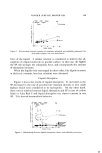
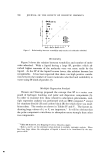
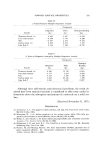
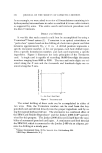
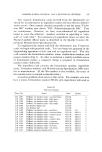
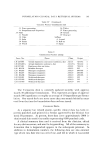
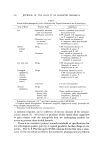
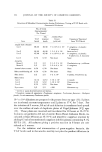
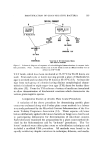
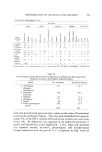
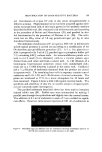
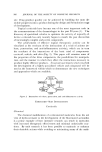
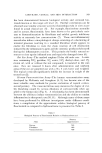
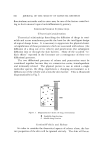
IDENTIFICATION OF GRAM-NEGATIVE BACTERIA 553 of polysorbate 20 as recommended in the First Edition of the Bacteriolog- ical Analytical Manual of the Food and Drug Administration (10) com- bined with the comments of Kohn et al. (11) that polysorbate 20 was a more effective inactivator of parabens than was polysorbate 80, a decision was made to use polysorbate 20 in the initial enrichment medium. Since the group had had good experience with azolectin * as a neutralizing agent for quaternary ammonium compounds (10), a tryptone* (2%), azolectin (0.5%), polysorbate 20 (4%) broth (TAT broth) was developed and tested as the initial enrichment medium for topical products. Inoculation of TAT broth with low cell numbers (less than 50 cells per 40 ml of medium) of each of a wide spectrum of gram-negative bac- teria of interest yielded excellent growth of all test strains. Since the be- havior (recovery) of microorganisms that develop naturally in preserved products can be quite different from that of broth cultures or of labora- tory strains added to preserved products, TAT broth was used for a pe- riod of 3 months to evaluate gram-negative contamination in a series of market samples of topical and oral products. The data in Table II are illustrative of the ability of TAT broth to allow the enrichment and eventual isolation of one or more gram-negative species from a contami- nated topical product. Whether TAT broth is effective in the recovery of anaerobic vegetative cells and spores remains to be determined. Current Isolation Procedure Microbiological determinations currently performed include an aero- bic sterility test in TAT broth, an aerobic bacterial plate count, a plate count of yeast and molds, the indicated number and isolation of gram- negative bacteria, and counts of S. aureus (Fig. 1). For the aerobic steril- ity test, 1-g portions of product are inoculated into 40 ml of TAT broth and incubated at 35-37øC for 5 days, and then at room temperature for an additional 5 days. If no growth is evident, the sample is reported as sterile. If microscopic examination of any suspect growth shows only gram-negative bacteria, the S. aureus and yeast and mold determinations are omitted. All nonsterile samples are diluted serially in the range of 10 -• to 10 -6 in TAT broth. The 10 -x dilution is 10 g of sample (can be a composite of 1-5-g samples for raw materials) into 90 ml o't• TAT broth. For the aerobic plate count, duplicate pour plates of each dilution are prepared with soy bean-casein digest (SCD) agar (12) and incubated at 30-35øC for 48 hours. For yeast and mold counts, 4 pour plates of the ß Associated Concentrates, Inc., 32-30 61st St., Woodside, N.Y. ? Difco Laboraotries, Detroit, Michigan.
Purchased for the exclusive use of nofirst nolast (unknown)
From: SCC Media Library & Resource Center (library.scconline.org)