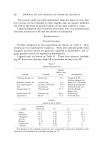
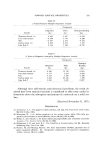
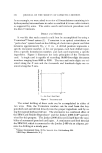
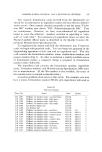
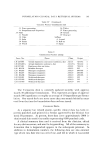
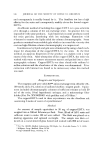
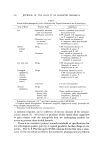
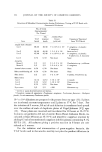
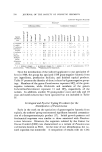
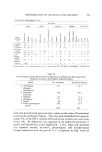
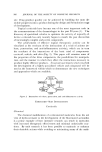
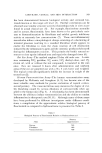
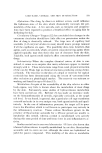
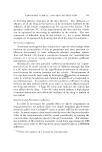
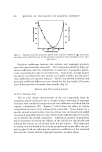
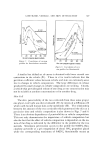
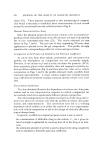
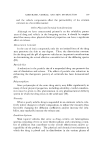
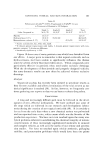
550 JOURNAL OF THE SOCIETY OF COSMETIC CHEMISTS Table I Status of Microbiological Quality Guidelines for Topical Products in the United States Area of Body Product Type Guidelines Eye Genito- urinary tract Ear and nose Damaged epithelium (lesions, wounds, abrasions, burns) Normal epithelium 0phthahnic solutions (also eye cleansers) Ophthahnic ointments Cosmetics (eye liner, eye shadow, mascara, etc. ) Drugs Cosmetics Drugs Drugs Cosmetics Drugs Cosmetics (skin lotions, baby lotions, baby powder, etc. ) Stcrilc• multidose units should have preservative USP requires 10 organisms/g: no P. aeruginosa b or S. aureus b None recalls c on presence of P. aeruginosa, other objectionable Pseudomonas, S. aureus USP recommends absence of Salmondid, S. aureus, P. aeruginosa and E. coli • None recalls on presence of P. aeruginosa, other objectionable Pseudomonas, Klebsiella, P. mirabills*, S. marcescens •. USP recommends absence of Salmonella, S. aureus, P. aeruginosa and E. coil Frequently labeled as sterile USP recommends absence of Salmonella, S. aureus, P. aeruginosa and E. coli Use not recommended Same as for damaged epithelium None recalls on presence of P. aeruginosa, other objectionable Pseudomonas, Kiebsiella, S. marsescens, S. aureus "Probabili W of survivors 10-s see Class A products, p. 855, USP XVIII. • Complete names of organisms: Pseudomonas aeruginosa, Staphylococcus aureus, Escherichia coli, Proteus mir abills, Serratia marcescens. c Voluntary recall of products by manufacturers. or immune response, and in sufferers of chronic diseases of the hemato- poletic system (1). All sources or products which enable these organisms to gain contact with the susceptible host are undergoing analysis for means to prevent these health hazards. There is no consistent pattern towards standards or specifications for microbiological quality (purity) of topical products, be they drugs or cos- metics. The U. S. Pharmacopeia XVIII contains for the first time a state- ment on the microbial attributes for nonsterile pharmaceutical products

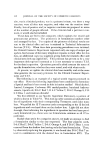
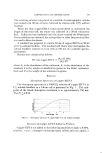
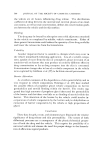
IDENTIFICATION OF GRAM-NEGATIVE BACTERIA 551 (2). The background of microbiological developments, both in the U.S. and in Europe, which led to the promulgation of this recommendation has been described in two recent articles by Bruch (1, 3). A review of Table I, which depicts the current status in the U. $. of microbiological quality guidelines for topical products for five body areas, points to the discrepancy in such quality, depending on whether the items are drugs or cosinetics. Since cosinetics are used for aesthetic purposes only, the health hazard from such a trivial use, when compared to the necessary therapeutic or nutritional uses of other consumer products, should be very low (3). Such risk:benefit analyses suggest that cosmetic products should meet or exceed the safety or quality standards expected for foods or drugs. The differences in microbiological quality shown in Table I between drugs and cosmetics applied to the region of the eye should be resolved. This paper describes the background and application of methods to reveal the presence of microbial contaminants in topical products and the developments which have enabled the rapid speciation of such isolates for health hazard evaluations. It will not be possible to describe all of the details for these various procedures, but adequate references and sources will be provided for those who seek such information• EXPERIMENTAL AND DISCUSSION Separation of Microorganisms from, Topical Products Topical products may be classified as liquids, solids, semisolids, or aerosols. Liquid topicals can be solutions, emulsions, or colloidal disper- sions of ingredients in aqueous or nonaqueous (oily) vehicles. Thus, most definitions of a lotion refer to aqueous preparations or emulsions which contain insoluble materials such as oils in the disperse phase. Ointments are considered as semisolid preparations which can be water- in-oil emulsion forin, oil-in-water emulsion form, or oleaginous bases, such as petrolatum, containing only small amounts of an aqueous com- ponent (4). As will be discussed later, most microbiological analyses for emulsions or dispersions recommend the use of surface-active agents to enable mi- croorganisms to move into the aqueous phase of mixtures of broth culture media with such products. However, in recent years much interest has developed in the use of membrane filtration methods whereby microor- ganisms are removed from materials which have been solubilized to allow their passage through the membrane (5). Early in the studies with topi-
Purchased for the exclusive use of nofirst nolast (unknown)
From: SCC Media Library & Resource Center (library.scconline.org)