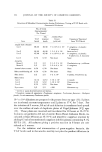
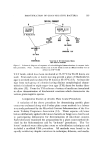
560 JOURNAL OF THE SOCIETY OF COSMETIC CHEMISTS quaternary ammonium compounds. The change of properties included loss of respiratory chain components, stabilization of the cell wall mem- brane complex to physicochemical disruption, the presence of cyto- plasmic inclusions and membranes, altered immunogenicity, decreased pathogenicfry, and increased sensitivity to other surface-active anti- microbials. Furthermore, many of their strains resistant to quaternary ammonium compounds were nonmotile. As a result of this experience our group has developed hyperimmune sera (20) against 5 strains of P. aeruginosa and 3 strains of the EO-1 variants of P. multivorans. The availability of these 8 antisera has been an aid to the rapid speciation of the opportunistically pathogenic strains of Pseudomonas. This laboratory has also investigated the use of pyocines for the typing of P. aeruginosa by the method of Gillies and Govan (21). A}- though pyocine reaction patterns have been developed for some of the isolates of P. aeruginosa collected to date, this method is not used rou- tinely to characterize such isolates. This tool could aid in the tracking of sources of P. aeruginosa contamination in the production environment, but the sophistication ot5 technique required for this diagnostic reaction precludes its immediate adaptation to industrial microbiological labora- tories. Detection of Endotoxins of P. aeruginosa Some manufacturers of topical products, particularly cosmetics, have examined radiation sterilization and liquid sterilizing chemicals as a way to achieve high microbiological quality in finished products (g). It has been pointed out that the use of radiation or sterilizing chemicals with a finished product that is not required to be sterile could cover up poor manufacturing procedures and thus result in the sterilization of filth. Although the presence of filth per se is objectionable under the FDScC Act, it is known that some of the endotoxins from lysed bacterial cells can serve as allergens (22). An analogous situation occurs with some exotoxins of certain strains of S. aureus which have been allowed to grow in foods. The contami- nating staphylococci can be subsequently killed, but ingestion of these exotoxins can produce an enterotoxemia in humans. Thus, it has been necessary to develop serological procedures to detect the presence of staphylococcal enterotoxins in foods (2'3). Studies in this laboratory have been performed with endotoxins pre- pared from P. aeruginosa DM-1167 isolated from a contaminated bath

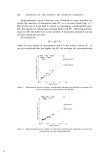
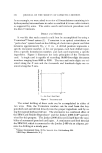
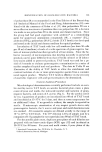
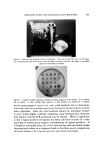
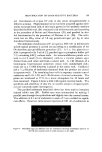
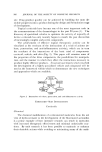
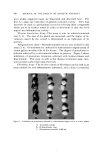
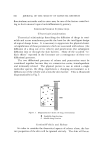
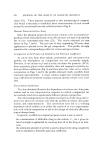
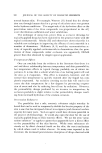
IDENTIFICATION OF GRAM-NEGATIVE BACTERIA 561 oil. Inoculation of at least 107 cells of this strain intraperitoneally is letk. al to a mouse. Hyperimmune serum has been prepared against endo- toxins extracted from cells of this strain grown in the synthetic medium described by Ribi et al. (24), extracted with trichloroacetic acid according to the procedure of Boivin and Mesrobeanu (25), and purified by alco- hol fractionation by the procedure of Webster et al. ('26). The endo- toxin has an LD99 value of 3.6 mg protein-nitrogen per kg in mice inoculated intravenously. The detection of endotoxin of P. aeruginosa DM-1167 in deliberately spiked topical products is carried out according to a modification of the Ouchterlony agar gel diffusion procedure (27). A 3 •( l-in. glass micro- slide is prepared with 3 ml ot• 1% purified agar in phosphate buffer (plq 7.1) containing 0.04% sodium azide. An immunodiffusion punch set is used to cut 6 sinall (1/•-in. diameter) wells in a circular pattern equi- distant froin each other and from a center well. A 1:64 dilution of a homologous hyperimmune antiserum (reacts with standardized endo- toxin out to a 1: 1024 dilution) is placed in the center well. Undiluted and a 1/10 dilution of endotoxin extracted from the product are placed in separate wells. The remaining four wells in sequence contain control endotoxin and 1:10, 1:20, and 1:40 dilutions of control endotoxin. The plates are incubated at 37øC in a moist atmosphere for 48 hours and then examined. Figure 4 shows a slide with typical reaction bands. The specificity and sensitivity of this test on market samples of topical prod- ucts are currently under investigation. The purified endotoxin described above has been used to inoculate injured rabbit eyes (28). Rabbit eyes were traumatized by making 3 parallel cuts through the epithelium and slightly into the corneal stroma. The addition of 0.1 ml of endotoxin to each of 3 eyes yielded no signifi- cant effects. However, intracorneal injection of 0.01 ml of endotoxin in ¸ ¸ ¸ ¸ O/ Figure 4. Microslide agar gel diffusion test for endotoxins showing homologous pattern on the left and concentration of crude reactants on the righ. t
Purchased for the exclusive use of nofirst nolast (unknown)
From: SCC Media Library & Resource Center (library.scconline.org)