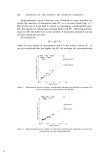
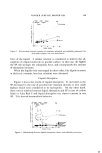
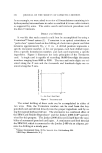
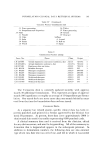
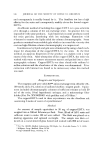
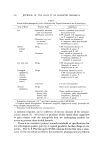
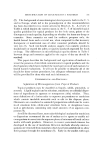
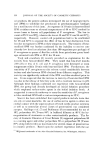
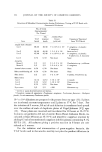
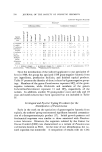
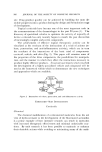
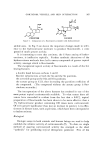
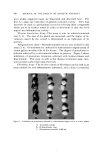
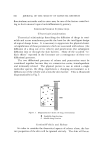
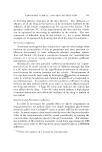
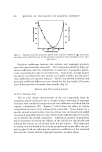
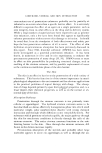
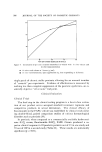
576 JOURNAL OF THE SOCIETY OF COSMETIC CHEMISTS ,.z, 4o • =o C- 20 _ ß •-0 40 60 80 % PROPYLENE GLYCOL 0.8 0.6 • 0.4 • 0.2 Figure 6. Isopropyl myristate/propylene glycol-water partition coefficients (0) and propyl- ene glycol-water solubilities (O) for fiuocinonide (reproduced with permission of the copy- right owner) Partition coefficients between the vehicles and isopropyl myristate were also experimentally measured. The compound exhibited high par- tition coefficients and low solubilities in mixtures of propylene glycol- water containing low glycol concentrations. Conversely, at high propyl- ene glycol concentrations, the steroid was highly soluble, but the parti- tion coefficients were greatly reduced. Similar but shifted solubility and partition coefficient differences were found for the less soluble 21-acetate ester of fiuocinolone acetonide, fiuocinonide (Fig. 6). Release and Penetration Studies Vitro Release Cell The in vitro release characteristics of the two compounds from the propylene glycol-water gels into a receptor phase consisting of isopropyl myristate were studied by means of an in vitro diffusion cell which did not require a membrane (21). Figures 7 and 8 show the effect of vehicle composition on the in vitro release of the corticoids. It was found, for a specific steroid concentration, that the release rate increased with added amounts of propylene glycol in the vehicle until sufficient glycol was pres- ent to dissolve the st'eroid completely. Additional amounts of propylene glycol thereafter increased the affinity of the vehicle for the steroid and reduced the release rate of steroid from the gel vehicle. This reduction in release rate was found to be directly proportional to the effect the pro- i)ylene glycol had on reducing the partition coeffici.ent of the corticoid between the vehicle and the isopropyl myristate receptor phase.

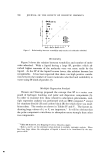
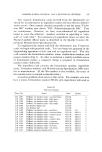
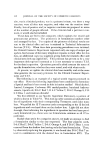
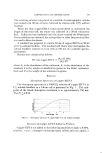
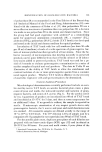
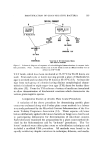
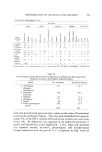
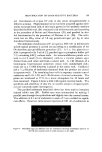
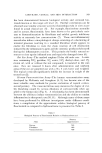
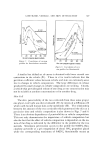
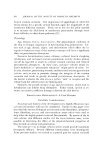
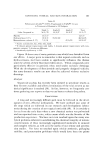
CORTICOiD, VEttlCLE, AND SKIN INTERACTION 577 • .t• IN VlVO ! • / ..:',. \. •VASOCONSTRICTION :. b.• %. ".. \ '"'",..,,."'... \ PENETRATION THEORETICAL \ ( PC x C v) io ' 0 40 60 80 I00 Per cent propylene glycol in vehicle Figure 7. Correlation of various profiles for fluocinolone acetonide / I ß / F .'"' / • 0 /&• / '.. • ?IN VITR0 ....' • // n' h / i i I I I 20 40 60 80 100 Per ,cent pmpylene glycol in vehicle Figure 8. Correlation of vari- ous profiles for tluocinonide A similar but shifted set of curves is obtained with lower steroid con- centrations in the vehicle (21). These in vitro results indicate that the partition coefficient values between vehicle and skin are extremely sensi- tive to changes in vehicle composition. The large differences in release produced by small changes in vehicle composition are striking. Clearly, a vehicle that provides good release of one drug at one concentration may not be suitable at another concentration or for another drug. Shin Cell The skin penetrability of the two corticoids from these same propyl- one glycol-water gels was then evaluated (21) by means of a diffusion cell which used excised human skin as the membrane (22). The relationship between the amount of the two corticoids which penetrated the skin at a particular time and vehicle composition is also shown in Figs. 7 and 8. There is an obvious dependence of penetrability cn vehicle composition. This not only demonstrates the importance of vehicle composition but also the fact that the effect of vehicle composition is dependent on the na- ture of the drug as indicated by the difference in the profiles for the two steroids. Maximum penetration occurs in the profile for 0.025% fluo- cinolone acetonide at a gel composition of about g0% propylene glycol while the corresponding maximum of 0.025% fluocinonide occurs a,t
Purchased for the exclusive use of nofirst nolast (unknown)
From: SCC Media Library & Resource Center (library.scconline.org)