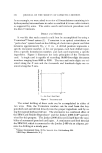
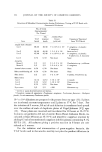
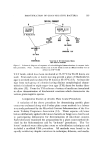
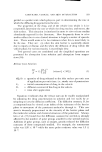
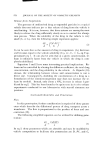
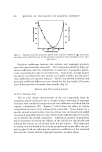
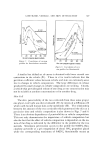
578 JOURNAL OF THE SOCIETY OF COSMETIC CHEMISTS about 75%. These maxima correspond to that minimal glycol composi- tion which is necessary to solubilize these concentrations of each steroid as may be ascertained from the solubility data in Fig. 6. Human Vasoconstriction Assay Once the phyiscal properties of several vehicles were ascertained re- garding release and penetration, their effectiveness was next evaluated by the in vivo vasoconstriction assay (23). The results obtained are also shown in Fig. 7 and 8. The per cent of sites responding 32 hours after application is plotted versus the gel composition. This profile strongly resembles the corresponding profiles for release and penetration. Comparison ol • the Product o.f Solubility and Partition Coefficient As can be seen from these release, penetration, and vasoconstriction profiles, the dependence on composi,tion was not necessarily simple. However, if one utilizes eq 3 and actually calculates the quantity (PC)C,, from propylene glycol-water solubility data and isopropyl myristate-ve- hicle partition coefficients (Fig. 6) and then plots this value versus vehicle composition in Figs. 7 and 8, the profile obtained closely parallels those obtained experimentally. A closer relation might have resulted if parti- tion coefficients between the stratum corneum and the v.ehicle were avail- able. Formulation Guidelines The data obtained illustrate the dependence of release rate, skin pene- tration, and in vivo vasoconstrictor response on vehicle composition for two steroids which have significantly different physical properties. The relationships between the physical properties of the drug and ve- hicle were shown to correlate well with the profiles of release, skin pene- tration, and vasoconstriction. The correlations have led to a working hypothesis which enables us to utilize the results of in vitro experimenta- tion with vehicle composition to aid in the design of clinically efficacious topical dosage forms. In general, an efficacious topical gel preparation is one in which: the concentration of diffusible drug in the vehicle, C•, for a given la- beled strength is optimized by insuring that all of the drug is in solu- tion the minimum amount of solvent is used to dissolve the drug completely and yet maintain a favorable partition coefficient

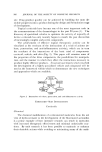
CORTICOID, VEHICLE, AND SKIN INTERACTION 579 and the vehicle components affect the permeability of the stratum corneum in a favorable manner. Other Physical-Chemical Considerations Although we have concentrated primarily on the solubility param- eters of drug and vehicle in the foregoing section, it should be empha- sized that many other physical-chemical properties can have a significant effect on release. Dissociation Constant In the case of ionic comp. ounds, only the un-ionized form of the drug may penetrate the skin to any degree. Thus, the dissociation constant for the drug and the pH of aqueous vehicles are important considerations in determining the actual effectiv, e concentration of the diffusing species (24). Particle Size A reduction in the particle size of a suspended drug can promote the rate of dissolution and release. The effect of particle size reduction in enhancing the therapeutic potency of corticoids has been demonstrated (25). Polymorphism Since polymorphs of the same drug entity may differ significantly in many of their physical properties, including solubility, careful considera- ticn must be given to this phenomenon in any pharmaceutical delivery system in which the drug exists in the solid state (26). Viscosity When a poorly soluble drug is suspended in an ointment vehicle, rela- tively minor changes in vehicle composition, to reduce the viscosity (thus favorably changing the diffusion coefficient) and/or increase the solu- bility, may markedly increase the release rate. Emulsion Systems Most topical vehicles that serve as drug carriers are hererogenous systems consisting of two or more distinct phases and containing a num- ber of additives that contribute to the overall effectiveness and/or ac- ceptability of the product. The physical and chemical environment in which the drug is placed and its distribution in the various phases of
Purchased for the exclusive use of nofirst nolast (unknown)
From: SCC Media Library & Resource Center (library.scconline.org)