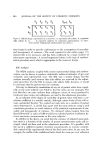
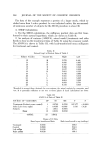
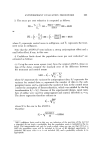
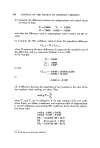
248 JOURNAL OF THE SOCIETY OF COSMETIC CHEMISTS melanosome can be represented as follows: first, the formation of a protein matrix composed of coiled filaments or membranes second, the deposition of melanin polymer onto the protein matrix. As the melanin deposition con- tinues, the membranous support becomes so obliterated that the granules ap- pear uniformly electron dense and devoid of any structural detail. From an investigative point of view, complete melanization results in somewhat of a paradox. The known resistance of the melanin polymer to chemical reagents allows for easy separation of the pigment and its encapsulated prot:An from the fibrous keratin, but at the same time effectively prevents the isolation of the proteinaceous matrix from its melanin env:ronment. Several attempts have been made to extract the protein component from the matrix granules. Thus Serra (4) claims to have isolated a melano protein co•nplex free from fiber contamination. However, his high values for protein content of the pigment (over 50%) appear incompatible with the available elemental analysis of the composite materials. Laxer (5), who had isolated the pigment from hair by treatment of the latter in phenol hydrate-th•oglycollic acid mixtures, refluxed the melanin granules with 6N HC1 for extended periods of time (48 hours) and analyzed the hydrolysate by paper chromatography. Most of the amino- acids present in the keratin were found in the hydrolysate, but no quantitative determinations were made. Recent investigations by Gjesdal (6) have confirmed the presence of pro- tein in pigment granules isolated by hydrolyzing variously colored fibers with dilute alkali. Again, a quantitative analysis was not attempted, and Gjesdal noted that the protein present in the pigment is strongly bound witlfin the granule. In the course of our work on hair bleaching we have developed a very mild, yet effective procedure for solubil zation of the melanin pigment (7). It appeared to us that this method offers a unique way for a very faerie sepa- ration of the protein-bound pigment. The utility of such an approach is the subject of this paper. II. MATERIALS AND METHODS A. Poodle Hair Black poodle hair was obtained from random samples of hair clippings. The hair was purified by Soxhlet extraction with methylene chloride followed by absolute methanol for four hours each. The hair was then rinsed well with deionized water and allowed to dry. B. Oriental Hair Samples of Oriental hair, approximately 5 in. in length, were obtained from an individual known to have untreated hair. The distal ends of the fibers were trimmed and discarded the remaining hair was purified by the extraction procedure described above.

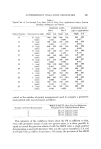
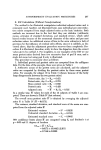
PROTEIN COMPONENT OF ttAIR MELANIN 9.49 C. Hair Melanin The melanin was isolated by careful dissection of the ink sacks, previously hair by the nonhydro]ytic method of Laxer (5). The hair sample was refluxed for 24 ,hours with a phenol hydrate-thioglycollic acid mixture (PHT). The pigment was separated by centrifuging the solution in cellulose nitrate tubes at 1800 rpm for 45 min. The melanin was then washed with two successive portions of PHT, rinsed several times with 40% aqueous ethanol, then dried in vacuo at 60 øC. D. Squid Melanin The melanin was isolated by careful dissection of the ink sacs, previously removed from approximately i lb of squid. The pigment was rinsed several times with water, then soaked in 6N HC] for 24 hours at ambient tempera- ture. Removal of the acid was accomplished by thorough water rinsing, and centrifugation of pigment followed by air drying. E. Chemical Reagents Commercially available, reagent grade so]vents were utilized in this study without further purification. F. Amino-acid analysis Amino-acid analysis was performed on the Phoenix M7800 automatic amino-acid analyzer. III. RESULTS AND D•scuss•o• We have recently shown (7) that the bleaching of melanin by aqueous solutions of H,O2 involves two successive processes: solubi]ization of the pigment granules followed by decolorization of the so]ubilize melanin. The reaction can be restricted to the so]ubilization stage alone if dilute solutions of H,O,are used. Under such conditions, the po]ymeric character of the pigment is retained, and the extent of oxidative degradation of the protein component is marginal The molecular weight of the solubi]ized pigment was calculated to be 11,400 and 15,000 via osmotic pressure measurements and thin-layer gel filtration, respectively (7). The so]ubilized melanin was prepared as follows: 100 mg of the pigment was suspended with stirring in 20 m] of 1% hydrogen preoxide at pH 10 (am- monia was used for pH adjustment) and 25øC. Complete dissolution of the pigment took place within 60 min. At this point the excess peroxide was de- stroyed by platinum black, and the product was ]yophilized yielding a black, highly lustrous water-soluble material It is of interest to note that the solu- bility characteristics of the oxidized melanin could be changed by esterifica-
Purchased for the exclusive use of nofirst nolast (unknown)
From: SCC Media Library & Resource Center (library.scconline.org)