j. Soc. Cosmet. Chem., •54, 215-225 (August 1983) Use of the rabbit ear model in evaluating the comedogenic potential of cosmetic ingredients WILLIAM E. MORRIS and SHIH CHAO KWAN, Revlon Research Center, 2121 Route 27, Edison, NJ 08818. Received October 1981. Synopsis The external ear canal of the rabbit has been utilized to assess the comedogenic potential of ingredients used in the formulation of products applied to the skin. Some cosmetic raw materials have been shown to produce varying degrees of hyperkeratosis in the pilosebaceous unit of this animal model. With test results previously reported on vegetable oils, fatty acid esters, lanolins, surfactants, and other ingredients, there appear to be discrepancies in findings between investigators. The present study expands on information relating to the comedogenic potential of cosmetic components, and reevaluates the activity of several substances previously reported. INTRODUCTION Acne venenata, resulting from industrial exposure to chlorinated hydrocarbons, coal tars, and cutting oils, has been reported in the literature (1-4). Other external contactants included in the etiology of an "achelike" condition have been attributed to the prolonged use of grooming aids, such as certain pomades and paraffin oils (5-6). Several cosmetics and cosmetic ingredients have been shown to produce follicular hyperkeratosis when applied to the external ear canal of rabbits (7-8). Based on animal test data and several short-term clinical studies, a human skin condition characterized by the presence of low grade, small, closed comedones, has been attributed to the prolonged use of cosmetics (7-8). Despite the admitted sensitivity and limitations of this animal model in extrapolation and application of test results to human experience (2,7-12), most of the information currently available on the comedogenic potential of topically-applied substances has been based on the "Rabbit Ear Test" (1-2,7-21). Laboratory methods used to assess the comedogenic activity of materials applied to rabbit ears have included whole mount techniques (2,9-10), quantification of keratin after pepsin digestion of the dermis (21), microscopic examination (1-2,7-20), and a combination of clinical and microscopic evaluation (8). Because of these different methods and the lack of uniform standards for the assessment of follicular response, an accurate comparison of reported data is difficult. There do appear to be several discrepancies in test results which merit further investigation. The present study 215

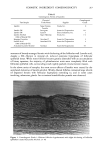
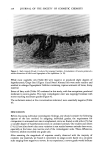
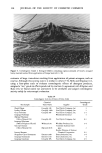
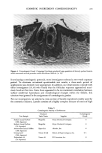
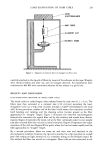
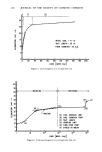
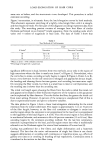
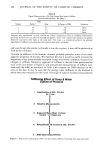
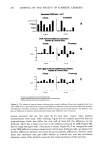
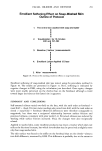
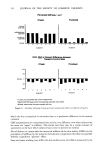
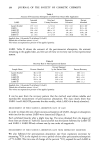
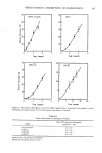
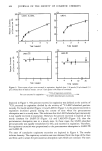
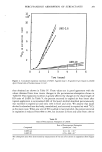
216 JOURNAL OF THE SOCIETY OF COSMETIC CHEMISTS expands on the comedogenic potential of cosmetic raw materials and reports our findings on the activity of several ingredients previously reported by others. METHOD Each test substance was applied once daily, five times weekly, to the external ear canal of three New Zealand rabbits. Since the goal was to achieve a uniform film over the ventral surface of the pinna, the actual amount applied was dependent on the physical form of the test material and ranged from 5-10 mg/cm •. Following the fourteenth application, animals were sacrificed several full-thickness sections of the test site and the contralateral untreated ear were dissected, formalin fixed, cut in cross section to thickness, and stained with hematoxylin and eosin. The microscopic evaluation for comedogenic activity was based on the degree of follicular hyperkeratosis and other morphological changes in the majority of pilosebaceous units when compared to control sections, as described in Table I. In cases where comedogenic scores between Table I Comedogenic Grades Comedogenic Grade Description O--Negative 1--Slight 2--Moderate 3--Moderate 4--Severe 5--Severe Pilosebaceous unit normal in appearance when compared to control (untreated) ear section. Slight increase in keratin content within follicle. Essentially no change in follicular epithelium. Obvious increase in follicular hyperkeratosis some t yperplasia of follicular epithelium. Marked increase of keratin in follicular lumen resulting in a modest distention of follicles. Moderate hyperplasia of follicular epithelium. Dilated follicles containing large amounts of impacted keratin. Extensive hyper- plasia of follicular epithelium. Widely dilated follicles, filled with packed keratin, follicular epithelial hyperpla- sia causing partial or total involution of sebaceous glands and ducts. Possible inflammatory changes. animals differed by a single grade, average scores were assigned or the range of effects described. On rare occasions, when scores deviated more than one grade, the test was repeated. Unless otherwise indicated, all samples were tested undiluted. TEST RESULTS The comedogenic potential of a representative sampling of lanolin and lanolin derivatives (Table II) ranged from negative to severe. Little or no changes were observed in follicles exposed to the whole lanolin mixture and lanolin oil liquid fractions, with the exception of a possible slight increase in keratin when compared to untreated skin sections. Lanolin alcohol produced minimal effects consisting of some enlargement of the follicular lumen and slight hyperkeratosis (Figure 1). Applications of isopropyl lanolate (Figure 2) resulted in expanded follicles which contained large
Purchased for the exclusive use of nofirst nolast (unknown)
From: SCC Media Library & Resource Center (library.scconline.org)