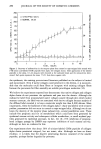
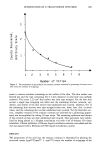
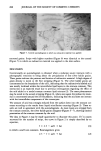
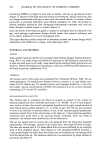
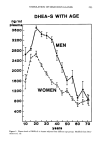
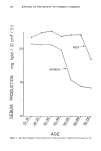
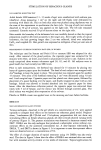
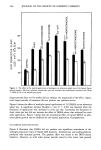
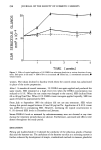
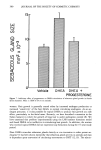
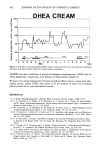
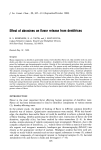
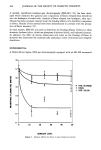
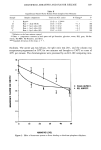
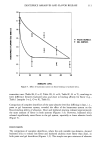
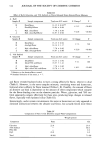
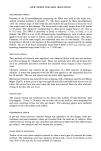
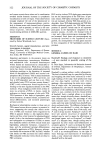
298 JOURNAL OF THE SOCIETY OF COSMETIC CHEMISTS IO- O I 2 3 4 TIME (weeks) Figure 5. Effect of topical application of 1% DHEA on sebaceous gland size at various durations of treat- ment. Each point is the mean -+ SEM of five to six animals. ß Treated ear A contralateral untreated ß vehicle-treated. women. The values declined to baseline levels when the control cream was substituted in place of the active preparation. After 1 V2 months of control treatment, 1% DHEA was again applied and produced the same results. SER remained at a high level even when the DHEA concentration was reduced to 0.1%. When the test cream was changed to the control, SER declined from 60 to 40 Ixg/Scm2/3hr. When 0.1% DHEA cream was again applied topically, SER was again elevated by approximately 60%. From July to September 1983 the subjects did not use any treatment. SER values during this period ranged between 30 and 40 Ixg/cm2/hr. Application of 0.01% cream was ineffective in stimulating SER. However, increasing the topical concentration to 0.1% elevated SER levels in December and January. Senam DHEA-S levels as measured by radioimmunoassay were not elevated at any time during the treatment periods (data not shown). Furthermore, untoward side effects were absent throughout the study period. DISCUSSION Piewig and Luderschmidt (11) showed the similarity of the sebaceous glands of human skin and the hamster ear. The usefulness of the hamster ear skin as a screening system is further enhanced by development of simple, standardized methods to measure glandular

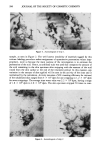
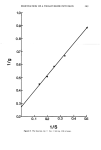
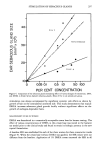
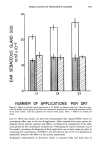
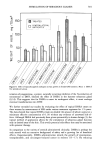
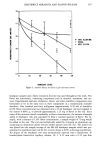
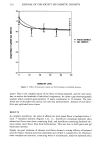
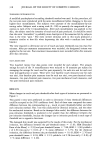
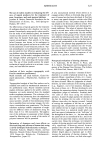
STIMULATION OF SEBACEOUS GLANDS 299 3O Z 20 I L9 0 (%) x m IO I.fl. 0 IX 2X 3X NUMBER OF APPLICATIONS PER DAY Figure 6. Effects of multiple topical applications of 1% DHEA on sebaceous gland size. Open bar repre- sents the DHEA-treated group and the solid bar underneath represents the contralateral untreated ear skin of the same animals. Lined bar represents the vehicle-treated group. Mean _+ SEM of six animals per group. size (7). With this model, we have now demonstrated that topical DHEA exerts its stimulating effect only at the site of application. Other steroids with more potent an- drogenic action produce systemic side effects as evidenced by enlargement of the seba- ceous glands on the contralateral untreated ear. Prolonging the topical treatment (up to five weeks), increasing the frequency of daily application (up to three times per day), or increasing the concentration of DHEA in the formulation (up to 5 % w/v) produced no measurable systemic side effects in the animal experiments. Androgenic hypertrichosis or hirsutism results in excessive body and facial hair in
Purchased for the exclusive use of nofirst nolast (unknown)
From: SCC Media Library & Resource Center (library.scconline.org)