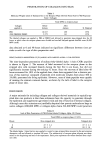
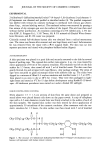
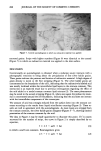
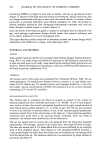
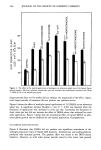
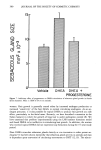
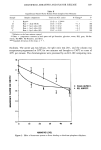
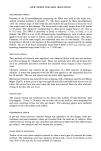
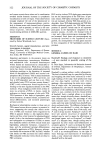
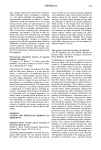
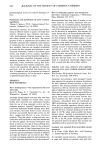
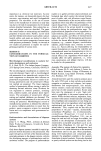
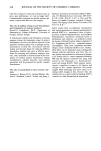
300 JOURNAL OF THE SOCIETY OF COSMETIC CHEMISTS 15- w N o E 03 w IO 5 o Vehicle DHEA DHEA + PROGESTERONE Figure 7. Inhibitory effect of progesterone on DHEA stimulation of sebaceous gland growth in female Syrian hamsters. Mean + SEM of five to six animals. women. Hair growth is generally caused either by increased androgen production or increased "sensitivity" of the hair follicle to normal circulating androgens. As an an- drogen precursor, it is also possible for topical DHEA to produce hair growth as a side effect, particularly in the facial areas. Recently, we have described a mutation in the Syrian hamster in which the growth of long hair is under androgenic control (8). We have examined this problem experimentally using the LHS hamster hirsutism model and found DHEA to be ineffective in stimulating hair growth. In addition, the women who received topical DHEA did not experience any hirsutism during the 1 V2 year study period. Does DHEA stimulate sebaceous glands directly or via conversion to other potent an- drogens? It has been shown repeatedly that sebaceous gland activity in animals and man is dependent upon conversion of circulating testosterone to DHT (12,13). The admin-

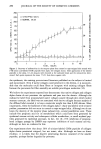
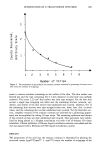
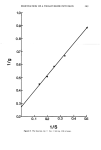
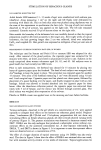
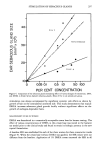
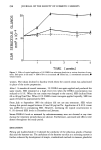
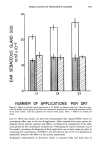
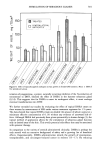
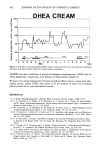
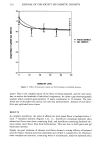
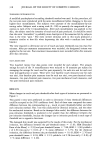
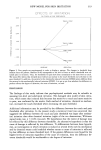
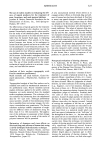
STIMULATION OF SEBACEOUS GLANDS 301 150 D CONTRALATERAL•!::::!::..lDETAERTNU ::::5:::: :::5:::::: :.:+:.:.: ! ß ' 100 // // Figure 8. Effect of topically applied androgens on hair growth in female LHS hamsters. Mean -+ SEM of five animals per group. istration of progesterone, a potent, naturally occurring inhibitor of the 5or-reduction of testosterone to DHT, blocked the effect of DHEA in the hamster sebaceous gland (9, 14). This suggests that for DHEA to exert its androgenic effect, it must undergo eventual transformation into DHT. We further extended our studies by evaluating the effect of topical DHEA cream on three women by measurement of SER under various treatment regimens for 1 V2 years. The data showed that topical DHEA cream can double the amount of sebum output at a minimum effective concentration of 0.1% without any evidence of untoward side ef- fects. Although DHEA had previously been given systemically in human beings (3), the topical method of application allows for the stimulation of sebaceous gland function only in desired areas of the skin. This avoids potential side effects that may be associated with systemic therapy. In comparison to the variety of steroids administered clinically, DHEA is perhaps the only steroid with an extensive background of safety and a growing list of beneficial effects. Experimentally, DHEA administration retards the growth of spontaneous, transplantable, and carcinogen-induced cancer in rodents (15-17). By reducing
Purchased for the exclusive use of nofirst nolast (unknown)
From: SCC Media Library & Resource Center (library.scconline.org)