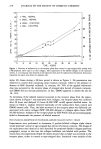
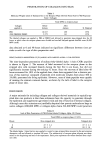
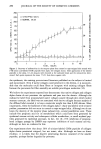
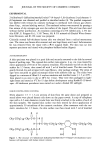
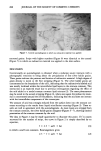
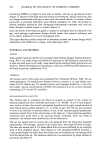
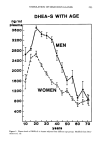
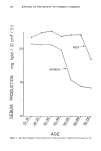
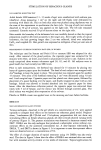
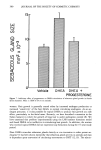
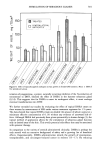
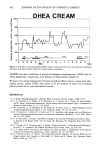
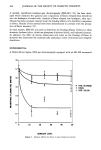
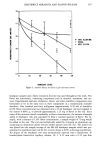
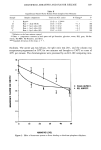
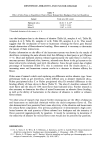
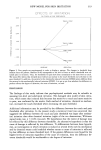
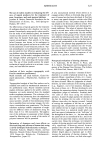
DENTIFRICE ABRASIVES AND FLAVOR RELEASE 311 17 16 15 14 II o a:o ß PAS1,E HUMECI'. e GEL HUMECI. ABRASIVE LEVEL Figure 5. Effect of humectant system on flavor binding to hydrated silica. somewhat inert (Table IB, F vs P Table ID, G vs R Table IF, H vs T), resulting in little difference between hydrated silica and dical in binding affinity for flavor (e.g., Table I [samples I vs J, O vs P], Table II). Comparison of complete dentifrices of the same abrasive level but differing in base, i.e., paste or gel humectant system, revealed the effect of the humectant system on the flavor-binding ability of abrasives. Dical and hydrated alumina released approximately the same amount of flavor in both systems (Figures 3,4). However, hydrated silica released significantly more flavor in the gel system, especially at lower abrasive levels (Figure 5). DISCUSSION The comparison of complete dentifrices, where the only variable was abrasive, showed hydrated silica to release less flavor and hydrated alumina more flavor than dical, in both paste and gel dentifrices (Figures 1,2). The simple two-part mixtures of abrasive

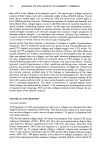
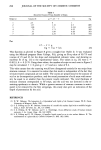
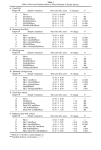
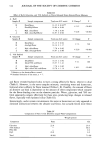
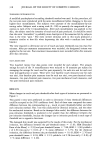
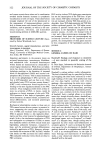
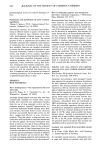
312 JOURNAL OF THE SOCIETY OF COSMETIC CHEMISTS Table III Effect of H20 , Glycerine, and 70% Sorbitol on Flavor Released From Abrasive/Flavor Mixtures A. H20 Sample # Sample components Total area (GC units) % Change* B Dical/flavor 13.15 - 0.92** I Dical/H20/flavor 16.04 -+ 0.84 + 21.2 C Hyd. silica/flavor 7.78 - 0.85 J Hyd. silica/H20/flavor 14.97 -+ 0.96 +52.8 0.001 0.001 B. Glycerine Sample # Sample components Total area (GC units) % Change B Dical/flavor 13.15 - 0.92 + 7.3 NS K dical/gly/flavor 14.14 _ 1.17 C Hyd. silica/flavor 7.78 - 0.85 +52.8 0.001 L Hyd. silica/gly/flavor 14.97 +-- 0.86 C. 70% Sorbitol Sample # Sample components Total area (GC units) % Change B Dical/flavor 13.15 --- 0.92 +3.1 NS M Dical/70% sorb/flavor 13.57 + 1.41 C Hyd. silica/flavor 7.78 + 0.85 + 36.1 0.001 N Hyd. silica/70% sorb/flavor 12.70 -+ 1.14 * Relative to the abrasive/flavor control. ** Standard deviation of the mean n = 7. and flavor revealed hydrated silica to have a strong affinity for flavor, relative to dical (Table I). However, in the more complex mixtures, containing water and humectant, hydrated silica's affinity for flavor lessened (Tables I, II). Possibly, the amount of flavor an abrasive can bind is dependent on the amount of other components which compete for the flavor-binding sites on the abrasive particles. Water, glycerine, and 70% sor- bitol apparently compete effectively for these sites, producing large changes in released flavor, especially with hydrated silica (Table III). Interestingly, under certain circumstances the water or humectant not only appeared to diminish interactions between the abrasive and flavor, but actually forced more flavor Table IV Comparison of Paste vs Gel Dentifrice Liquid-Phase Compositions Weight percent Component Paste Gel Glycerine 22.0 25.0 70% Sorbitol -- 40.0 PEG 6OO -- 3.O H20 24.0 3.0 Total 46.0% 71.0%
Purchased for the exclusive use of nofirst nolast (unknown)
From: SCC Media Library & Resource Center (library.scconline.org)