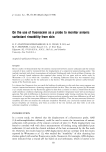
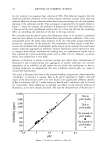
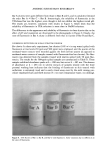
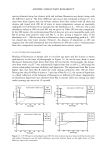
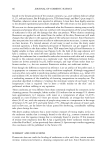
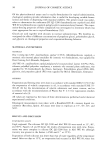
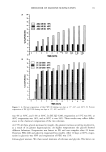
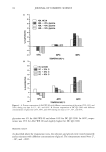
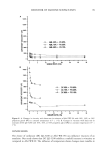
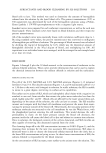
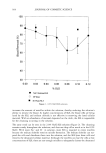
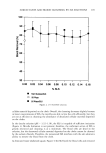
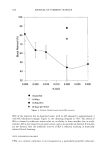
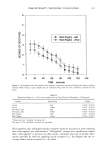
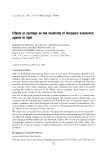
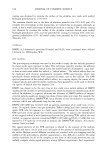
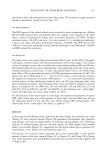
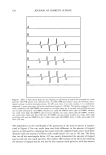
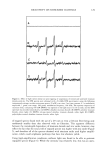
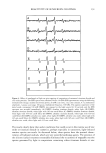
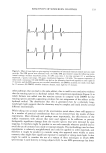
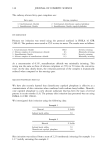
BEHAVIOR OF SILICONE SURFACTANTS 93 A 70- LU • ABIL WE 09 ?• ABIL + 25% PEG • ABIL + 40% PEG :,• ABIL + 60% PEG 15øC 40øC 60øC -lO • DC Q2-5200 • DC +25% PEG P•-• DC + 4.0% PEG t,'• DC + 50% PEG 15øC 40øC Figure 3. A. Percent evaporation of Abil WE 90 with different concentrations of polyethylene glycol (PEG) (25%, 40%, and 50%) during ten days at 15 ø, 40 ø, and 60øC. B. Percent evaporation of DC Q2-5200 with different concentrations of polyethylene glycol (PEG) (25%, 40%, and 50%) during ten days at 15 ø , 40 ø , and 60øC. and Abil WE 09 in combination with each glycol and at each temperature. Behavior of the mixtures varied depending on the temperature. At 15øC all glycols showed similar behavior. As glycol concentration increased, evaporation decreased. This was not sur- prising in view of the ability of individual glycols (particularly glycerin) to absorb water and increase in weight at 15øC. At 40 ø and 60øC, the evaporation generally decreased as the concentration of PEG 400 and glycerine increased. After 10 days at 40øC, evaporation of mixtures containing

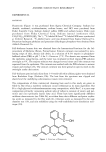
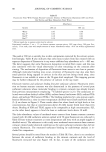
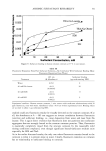
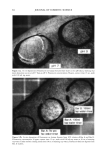
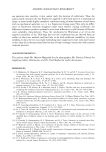
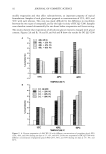
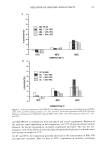
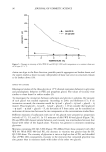
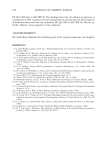
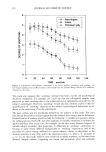
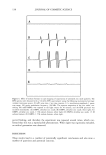
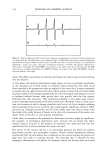
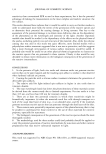
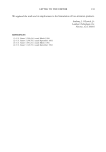
94 JOURNAL OF COSMETIC SCIENCE 50- 40- 3O 20 t0 -10 70- [• ABIL WE 09 %• ABIL + 25% gtycerine F77• ABIL + 40% glyce•ine ,•V•-• ABIL + 50% glycerine 15øC 40øC • DC Q2-5200 - •'• DC + 25% G • DC + 40% G ',,• DC + 50% G 15øC 40oc 60ø6 TEMPERATURE øC Figure 4. A. Percent evaporation of Abil WE 90 with different concentrations of glycerine (25 %, 40%, and 50%) during ten days at 15 ø, 40 ø, and 60øC. B. Percent evaporation of DC Q2-5200 with different concentrations of glycerine (25%, 40%, and 50%) during ten days at 15 ø, 40 ø, and 60øC. glycerine was 4% for Abil WE 09 and about 10% for DC Q2-5200. At 60øC, evapo- ration was 25% for Abil WE 09 and slightly higher for DC Q2-5200. FREEZING ASSAYS As described above for evaporation tests, the silicones and glycols were tested separately and as mixtures with different concentrations of glycol. The temperatures tested were 2 o, -10 ø, and -28øC.
Purchased for the exclusive use of nofirst nolast (unknown)
From: SCC Media Library & Resource Center (library.scconline.org)