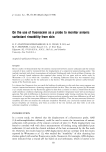
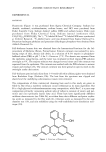
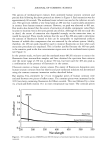
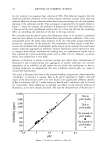
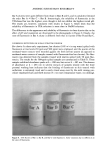
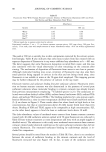
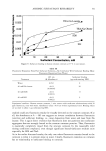
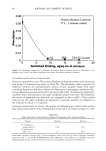
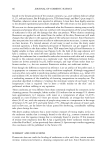
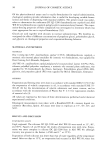
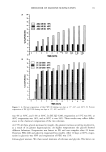
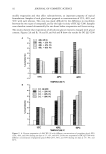
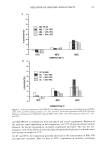
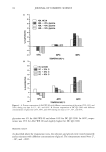
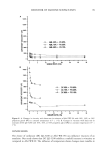
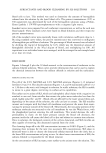
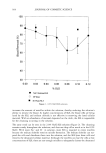
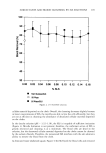
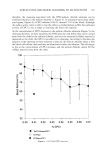
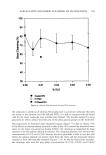
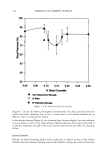
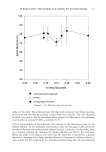
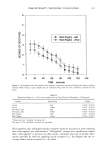
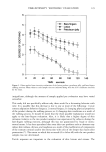
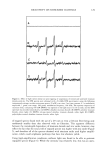
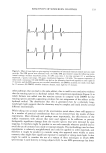
SURFACTANTS AND BLOOD CLEANSING BY SLS SOLUTIONS 111 lOO 8o o 70 E o 60 o 5O 4O 3O 0.00 0.05 0.10 0.15 0.20 % Decyl Glucoside 0,25 ß NaC1 Solution/Decyl Glucoside ¸ DI Water [] DI Water/Dccyl Glucoside Figure 8. 2.0% NaC1/decyl glucoside solutions. 0.30 surface of the cloth. The surfactants lyse the blood cells, denature the cellular material, and remove the material by carrying it away with their micelies. The two cleansing methods vary greatly, and the percentage blood removal can fluctuate as the surfactant concentration is increased within a solution (8, 9). At low concentrations of the surfactant, the majority of the cleansing is done by the sodium chloride. As the surfactant concentration rises, the cleansing is affected by the interaction between the surfactant and sodium chloride in solution. At this point, there is a transition between the cleansing by sodium chloride and that by the surfactant. When one looks at the figures, one notes that the transition is denoted by a general decrease in cleansing and a large standard deviation. Cleansing by sodium chloride is quite gentle, but the cleansing by the surfactant involves lysing the cells and removing

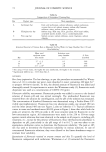
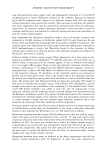
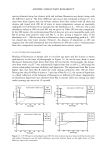
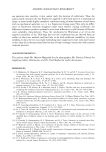
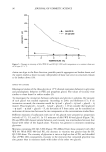
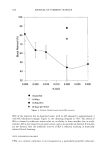
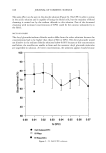
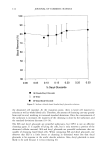
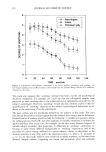
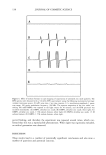
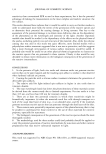
112 JOURNAL OF COSMETIC SCIENCE lOO o o o 90• 80 i ( 70 60-- 50- 40 -' 3O 0.00 0.05 0.10 0.15 0.20 0.25 0.30 % Decyl Glucoside ß SE Douche/Decyl Glucoside ¸ DI Water ß DI Water/Decyl Glucoside Figure 9. Sodium chloride-based douche/decyl glucoside solutions. the denatured cell material. At the transition point, there is lysed cell material in solution as well as whole blood cells. Therefore, the amount of cleansing can vary greatly from trial to trial, resulting in increased standard deviations. Once the concentration of the surfactant is increased, the majority of the cleansing is done by the surfactant, and the standard deviations decrease (10-14). The SLS and decyl glucoside are powerful surfactants, but CPC1 is not an effective cleansing agent. It is capable of lysing the cells, but it only removes a portion of the denatured cellular material. SLS and decyl glucoside are powerful surfactants that are capable of cleansing lysed blood cells. When comparing SLS and decyl glucoside, one observes that SLS is a little better at cleansing in deionized water but that decyl glucoside is far superior in the acidic douche solution. Also, decyl glucoside is more likely to be used because it is less irritating (6).
Purchased for the exclusive use of nofirst nolast (unknown)
From: SCC Media Library & Resource Center (library.scconline.org)