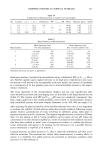
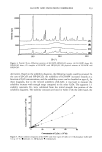
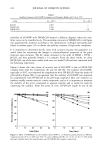
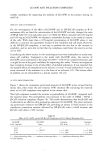
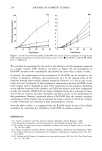
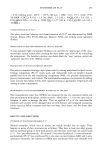
J. Cosmet. Sci., 51,227-237 (July/August 2000) Improvement in some physicochemical and biological properties of LG'IO6W by inclusion complexation with I-cyclodextrin and its derivatives SEONG HOON JEONG, CHEON KOO LEE, WAN GOO CHO, SEH HOON KANG, and KANETO UEKAMA, Cosmetics Research Institute, LG Chemical Ltd., 84, Jang-dong, Yusong-gu, Taejon 305-343, Korea (S. H. J., C. K. L., W. G. C., S. H. K.), and Faculty of Pharmaceutical Sciences, Kumamoto University, 5-1, Oe-honmachi, Kumamoto 862-0973, Japan (K. U.). Accepted for publication June 9, 2000. Synopsis 4-[3-Hydroxy-3-(2-hydroxy-5-methoxy-3,4,6-trimethyl-phenyl) propyl]-benzene-l,3-diol (LG106W) was synthesized as a novel skin-whitening agent. However, it has some formulation problems because of its low solubility in water and its instability. Inclusion complexation with cyclodextrins (CyDs) can be a tool for improving these problems. Inclusion complexes of LG106W with [3-cyclodextrin ([3-CyD) and its hydroxy- propyl (HP-[3-CyD) and dimethyl (DM-[3-CyD) derivatives were evaluated by using a solubility method, a scanning electron microscope, a differential thermal analysis, and a powder X-ray diffractometer. We further investigated the cytotoxicity and in vitro skin permeation of the complexes. The relationship of inclusion complexation between LG106W and [3-cyclodextrins was clearly reflected in the magnitude of the stability constant (DM-[3-CyD HP-[3-CyD [3-CyD). The stability of LG106W was improved by inclusion complexation with HP-[3-CyD. The inclusion complexes had an activity similar to LG106W alone in the inhibition of melanin synthesis in B-16 melanoma cells, but showed lower cytotoxicity. The skin permeation of LG106W across excised hairless mouse skin was increased with the inclusion complexation, in the order ofDM-[•-CyD HP-[•-CyD [•-CyD. From the above results, it is suggested that the [3-CyDs are reliable candidates for improving the availability of LG106W in cosmetic products. INTRODUCTION Cyclodextrins (CyDs) are water-soluble, cyclic oligosaccharides consisting of six, seven, or eight D(+)glucopyranose units linked by or-l,4 glycosidic bonds they are known as or-, [3-, and 'y-CyD, respectively (1). The CyD molecule is torus-shaped, with the primary hydroxyls (C6 hydroxyl) at the narrow edge of the torus and the secondary hydroxyls (C2 and C3 hydroxyls) positioned at the wider edge of the torus (2). The interior cavity of this molecule is hydrophobic, while the outer surface of the molecule is hydrophilic. Because of that, CyDs (hosts) are able to form inclusion complexes in solution as well as a crystalline state with a large variety of molecules (guests) (3-4). The 227

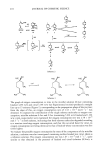
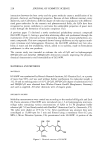
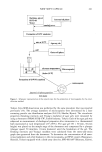
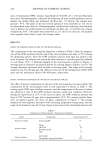
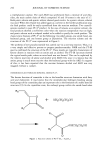
228 JOURNAL OF COSMETIC SCIENCE interaction between the host cavity and the guest molecule causes a modification of its physical, chemical, and biological properties. Because of their different internal cavity diameters, each CyD shows a different degree of molecular encapsulation with different- sized guest molecules. In the cosmetic and pharmaceutical fields, the CyDs have been recognized as potent candidates to overcome the undesirable properties of guest mol- ecules through the formation of inclusion complexes (5,6). A previous paper (7) disclosed a newly synthesized polyhydroxy aromatic compound (LG106W Figure 1), having a good skin-whitening effect and synthesized through the examination of the structure-activity relationship among the natural polyhydroxy aro- matic compounds. This new compound showed strong inhibitory activity against mush- room tyrosinase and melanogenesis. However, the LG106W exhibited very low solu- bility in water and low availability, which, added to its stability, made its formulation problematic in skin care products. The current study was intended to evaluate the role of CyD and its hydroxypropyl (HP-[3-CyD) and dimethyl (DM-[3-CyD) derivatives towards improving the physico- chemical characteristics and bioavailability of LG106W. MATERIALS AND METHODS MATERIALS LG106W was synthesized by Biotech Research Institute, LG Chemical Ltd., at a purity of more than 99%, and was used without further purification. Its molecular weight is 332.39 and its melting point is 192øC. [•-CyD, HP-[•-CyD (degree of substitution: 0.6) and DM-[3-CyD were obtained from Wacker-Chemie GmbH (Burghausen, Germany) and used as supplied. All other chemicals were of reagent grade. SOLUBILITY STUDIES Solubility measurements were carried out according to the method of Higuchi and Lach (8). Excess amounts of LG106W were introduced into 1.5-ml polypropylene microcen- trifuge tubes containing various concentrations of CyDs in 0.1 M phosphate buffer solution (pH 7.0) and firmly sealed with Parafilm © (American Can Co., Greenwich, CT). The tubes were shaken at 25øC for 72 hr. After equilibrium was attained, they were centrifuged at 15,000 rpm for 5 min and filtered using a membrane filter (0.2 pm, MFS-3, Micro Filtration Systems, CA) presaturated with LG106W. A portion of the OH OH OH OH OCH• Figure 1. Chemical structure of LG106W.
Purchased for the exclusive use of nofirst nolast (unknown)
From: SCC Media Library & Resource Center (library.scconline.org)