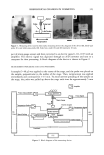
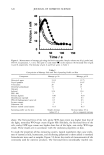
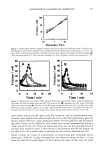
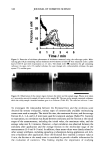
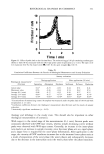
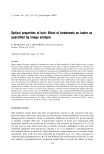
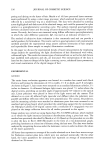
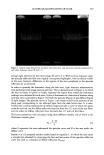
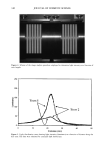
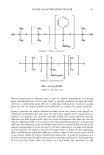
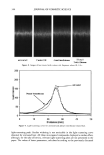
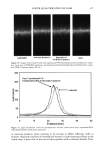
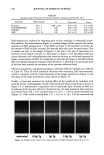
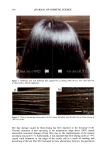
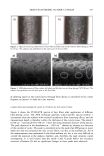
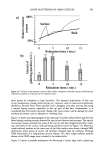
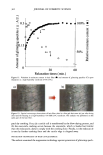
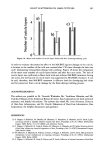
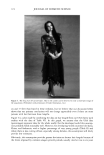
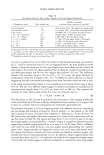
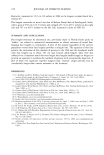
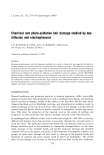
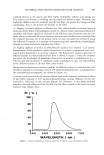
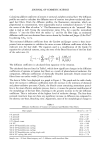
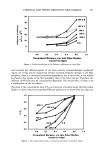
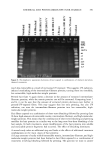
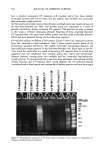
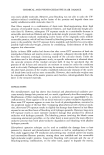
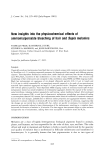
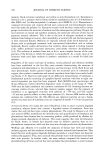
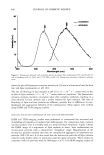
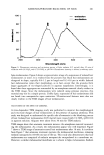
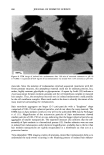
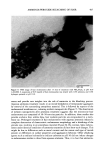
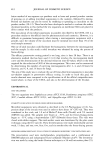
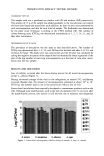
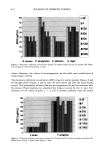
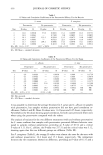
356 JOURNAL OF COSMETIC SCIENCE Hot dry Ardry R. Figure 1. Half-head trial. Left half-head after applied hot-air drying (70øC/30 sec). The other half was air-dried with a whitish appearance. a) b) , O0 rn Figure 2. Optical microscope observations of hair tresses (a) before and (b) after hot-air blow-drying at 70øC for 30 sec. The hair damage caused by blow-drying has been reported in the literature (5-8). Thermal treatment of hair operating in the temperature range above 100øC caused irreversible structural changes of hair fiber due to the transformation of the keratin secondary structure (5-7). Additionally, it was reported that blow-drying cycles at 75øC caused crack formation at the edges of the cuticle cell as a result of swelling and deswelling of the hair fiber (8). Compared to these phenomena, however, the generation

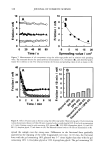
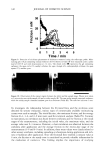
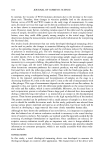
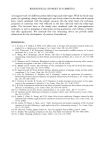
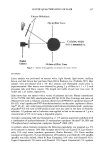
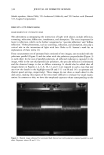
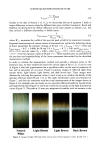
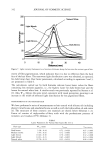
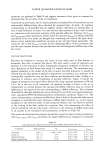
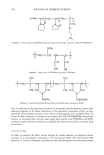
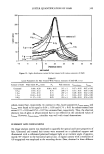
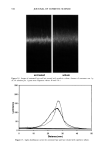
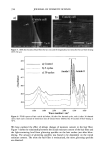
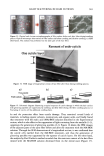
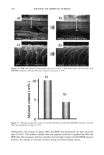
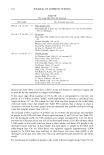
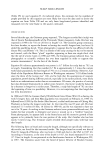
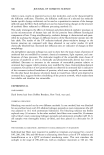
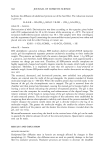
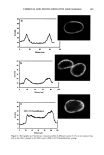
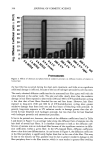
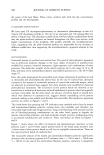
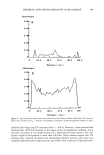
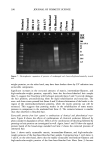
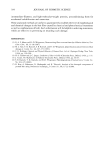
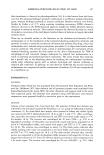
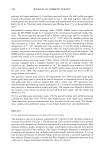
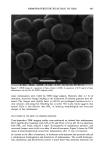
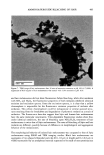
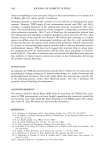
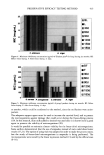
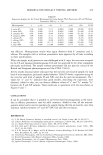
LIGHT SCATTERING IN HAIR CUTICLES 357 a) b) Figure 3. Optical microscope observations of hair fiber (a) before and (b) after hot-air blow-drying at 70øC for 30 sec. The analysis was performed on the same part of the hair fiber a) b) Figure 4. SEM observations of fiber surface (a) before and (b) after hot-air blow-drying (70øC/30 sec). The analysis was performed on the same part of the hair fiber. of splitting spaces in the cuticle layers through blow-drying is considered to be a more frequent occurrence in daily hair care routines. GENERATION MECHANISMS OF LIGHT SCATTERING IN THE HAIR CUTICLE Figure 6 shows the FT-IR/ATR spectra of hair fibers after application of different blow-drying cycles. The ATR technique provides surface-specific spectra (within 1 micrometer from the surface) with minimal interference from scattering effects, and the measurement depth is therefore within the thickness of the cuticle tissue. The amide I (1650 cm -•) and amide II (1540 cm -•) were the most prominent features of the spectra. The peak observed in the absorbance at -3250 cm-• showed an increase as a function of the number of cycles. This peak is considered to be the peak of an OH group in water molecules that are contained not only in hair fibers, but also in the ambient air. All of the measurements were performed in the dried ambient air, but it was very difficult to control the moisture in the analysis chamber, and, therefore, the peak intensity varied contingently. It is well known that the amide I and II peaks reflect the secondary structure of keratin (9), but no significant changes in these peaks were observed.
Purchased for the exclusive use of nofirst nolast (unknown)
From: SCC Media Library & Resource Center (library.scconline.org)