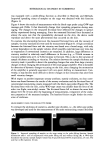
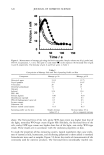
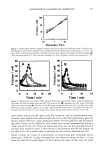
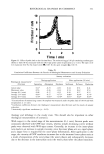
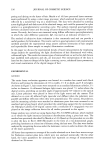
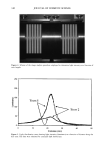
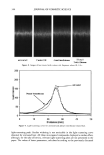
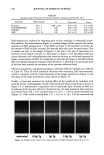
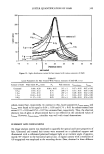
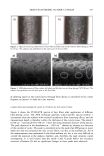
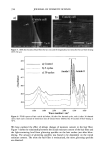
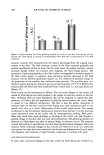
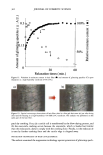
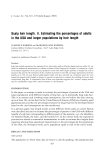
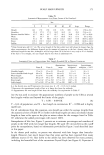
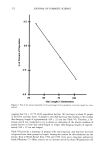
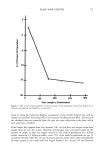
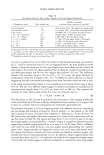
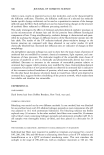
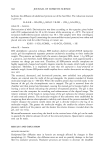
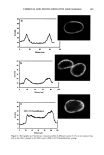
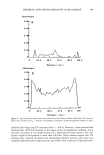
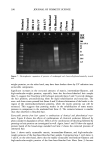
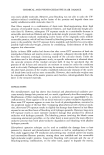
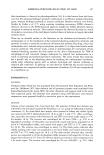
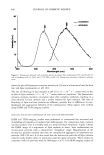
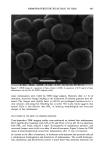
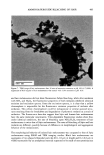
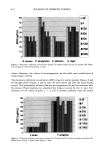
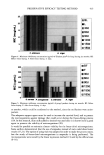
358 JOURNAL OF COSMETIC SCIENCE b) Cuticle cell a) Cuticle cell • W• , 5 tam .3/• m e•3•. •e.e•.=,• .•.:•ff•r• -."•" •"•.•:•,•..• •.'•:•. •k•. ' Figure 5. SEM observations of hair fibers for (a) cross and (b) longitudinal sections after hot air blow-drying (70øC/30 sec). .009 ( a) Control 008 b) 5 cycles .................................... c) 30 cycles Amide I •i Amide II .007 - I ..' ? \'.,., ß 3•bo 3oho 2•bo 2oho •bo •obo Wave number / cm 4 Figure 6. FT-IR spectra of hair cuticle (a) before, (b) after five thermal cycles, and (c) after 30 thermal cycles. Each cycle consisted of immersion into de-ionized water followed by 30 seconds of blow-drying at 70øC. We have explored the effect of abrupt changes of moisture content in the hair fiber. Figure 7 shows the relationship between the initial moisture content of the hair fiber and the light-scattering level from glittering speckles on the hair surface just after blow- drying. The amount of glittering speckles was found to be dependent on the initial moisture content. The more the hair fiber is moisturized, the more glittering speckles are observed.

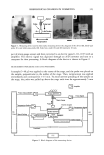
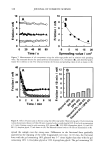
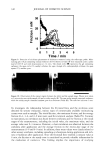
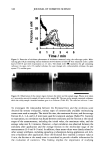
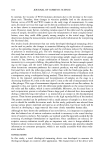
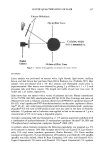
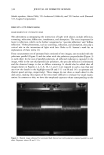
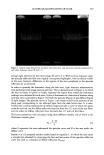
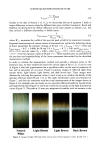
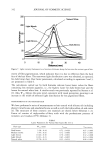
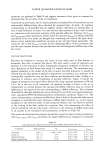
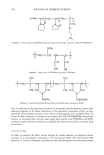
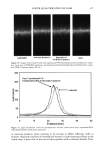
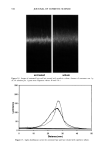
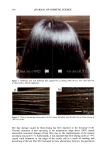
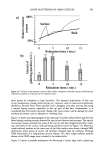
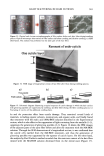
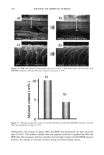
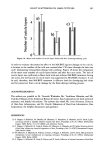
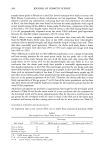
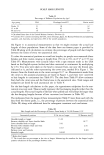
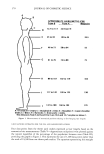
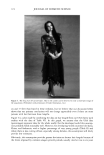
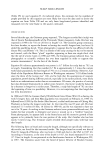
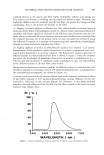
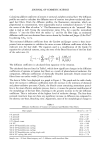
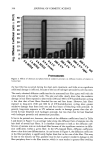
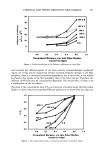
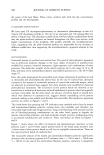
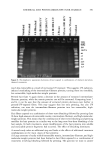
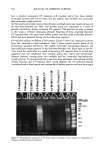
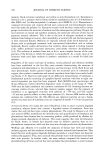
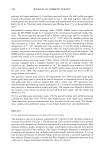
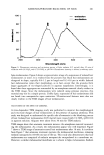
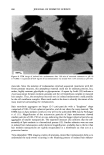
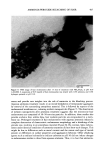
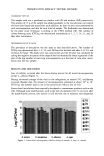
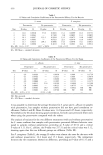
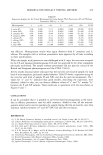
LIGHT SCATTERING IN HAIR CUTICLES 359 b) ! c) Figure 7. Light-scattering level from glittering speckles of the cuticle just after blow-drying (70ø030 sec) from (a) wet (immersed in de-ionized water), (b) damp (moisture controlled at 75% RH/23øC), and (c) dry (dried in silica-gel desiccator) conditions. Figure 8 shows optical microscope images of the hair surface before blow-drying, just after blow-drying, and five minutes after blow-drying. The light-scattering level from glittering speckles was more intense for the hair standing for five minutes at a high- humidity condition after blow-drying. The effects of humidity on the relaxation process are shown in Figure 9. In the humidifying process after blow-drying, more glittering speckles were observed in the case of relaxation in a condition of higher humidity. All these facts from Figures 6-9 suggest that the generation of the speckles is essentially not caused by heat, but by an abrupt and dramatic change in moisture content. After that, these speckles almost disappeared within ten minutes, because the hair fiber was in a high-humidity equilibrium. Figure 10 illustrates the variation of moisture content in the hair fiber from just after blow-drying. Surface moisture was measured using the NIR-PAS method. The thermal diffusion depth is considered to be comparable with the total thickness of cuticle cells (about 2-3 micrometers). The rate of bulk moisture absorption was measured by moni- toring weight changes. The scale of 0% shown in the graph corresponds to the moisture content for the hair fiber that was dried in a silica-gel desiccator, and the 100% scale corresponds to hair equilibrium, with an atmosphere at 23øC/75% RH each. The a) b) c) 20 • m 20 m Figure 8. Variation in the amount of glittering speckles on the fiber surface (a) before, (b) just after blow-drying, and (c) five minutes after blow-drying. The gradual increase in glittering speckles was observed after stopping blow-drying at a high-humidity condition. The analysis was performed on the same part of the hair fiber.
Purchased for the exclusive use of nofirst nolast (unknown)
From: SCC Media Library & Resource Center (library.scconline.org)