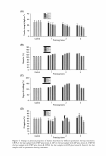
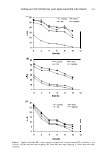
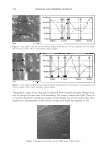
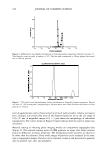
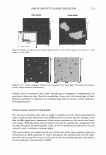
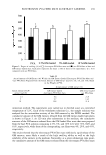
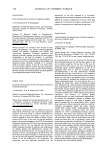
200 JOURNAL OF COSMETIC SCIENCE 140 TGF-ll1 level 120 - c 100 80 C - 60 0 C 40 II 20 0 control 0.08 0.16 0.32 0.64 A Placental extract(%) TGF-131 level * 140 - 120 � 100 C 80 0 0 60 C cu � 40 20 0 control 0.01 0.1 1 10 B L-ascorbic acid (mM) Figure 3. TGF-�1 protein expression determined by ELISA. (A) No significant difference in TGF-�1 expression was observed after treatment with placental extract at all concentrations. (B) A significant increase in TGF-�1 expression was seen after treatment with ascorbic acid at 1.0 and 10 mM compared to controls. *Significantly different from controls (p .05 ). B16F10 cells and primary melanocytes (29). Although the literature describes the anti-melanogenic effects of placental extract, we were not able to find any studies on the effects of placental extract on fibroblast proliferation-associated collagen synthesis. Thus, we compared the effects of placental extract on fibroblast proliferation with those of

EFFECTS OF PLACENTAL EXTRACT ON FIBROBLAST PROLIFERATION 201 ascorbic acid (L-ascorbic acid-2-phosphate magnesium), a known stimulator of collagen synthesis. The growth factors contained in placental extract include hepatocyte growth factor, nerve growth factor, epidermal growth factor, fibroblast growth factor, colony stimulating factor, insulin-like growth factor, TGF, and interleukin 1-4 (25). TGF-131 is a potent stimulator of collagen synthesis and has been shown to increase collagen synthesis via pre- and posttranslational mechanisms (26,27). Activated TGF-131 down regulates the expression of collagen-degrading matrix metalloproteinases (MMP-1), and can play an important role in collagen synthesis via fibroblast proliferation. Ascorbic acid has been reported to be involved in a spectrum of disease states (28). As a co-factor for collagen synthesis, ascorbic acid is one of the micronutrients that is important for wound and burn healing, and appears to increase collagen biosynthesis in an age-independent manner. In the present study, we examined the effects of both placental extract and ascorbic acid on fibroblast proliferation, and our findings show that fibroblasts proliferated at specific concentrations of each agent. In addition, we evaluated the influence on TGF-131, which has been associated with fibroblast proliferation. Fibroblast proliferation is stimulated by several growth factors such as fibroblast growth factor, epidermal growth factor, and transforming growth factor. We only measured transforming growth factor beta-1, known to increase the synthesis of collagen. Thus, we did not investigate factors other than TGF-131. Further studies are required to clarify whether other factors may con tribute to placental extract-induced fibroblast proliferation. We observed significant increases in TGF-131 expression in the cultured human fibroblasts treated with ascorbic acid, but not in cultured human fibroblasts treated with placental extract. Collagen synthesis requires ascorbic acid as a co-factor and is influenced by various cytokines produced by many cells. In our study, the placental extract-induced fibroblast prolif eration appeared to be mildly influenced by TGF-131 or stimulated by factors other than TGF-131. The benefits of placental extracts have been overstated and excessively publi cized in comparison to the actual established clinical results. The efficacy of placental extract remains controversial, and placental extract must be used appropriately, in accordance with the findings of clinical investigations. Although the extract may have use in the treatment of skin wrinkles and wounds, further investigation is required to elucidate its safety and efficacy in comparison with other agents. REFERENCES (1) T. K. Sur, T. K. Biswas, L. Ali, and B. Mukherjee, Anti-inflammatory and anti-platelet aggregation activity of human placental extract, Acta Pharmacol. Sin., 24, 187-192 (2003). (2) H. Itho, Functions and whitening effect of placenta, Fragrance]., 6, 67-71 (1990). (3) S. Mallick, S. K. Mandal, and R. Bhadra, Human placental lipid induces mitogenesis and melano genesis in B 16Fl 0 melanoma cells,]. Biosci., 27, 243-249 (2002). (4) P. Pal, S. Mallick, S. K. Mandal, et al., A human placental extract: In vivo and in vitro assessments of its melanocyte growth and pigment-inducing activities, Int.]. Dermatol., 41, 760-771 (2002). (5) R. A. Ignatz and J. Massague, Transforming growth factor-beta stimulates the expression of fibronec tin and collagen and their incorporation into the extracellular matrix,]. Biol. Chem., 261, 4337--4345 (1986). (6) D.R. Edwards, G. Murphy, J. J. Reynolds, et al., Transforming growth factor beta modulates the expression of collagenase and metalloproteinase inhibitor, EMBO ]., 6, 1899-1904 (1987). (7) R. A. Clark, G. A. McCoy, J.M. Folkvord, and J.M. McPherson, TGF-beta 1 stimulates cultured
Purchased for the exclusive use of nofirst nolast (unknown)
From: SCC Media Library & Resource Center (library.scconline.org)