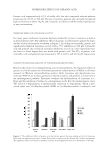
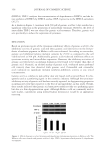
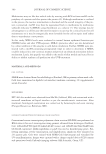
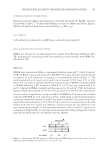
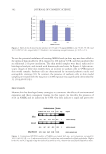
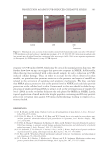
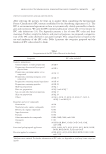
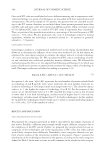
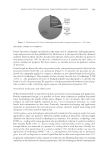
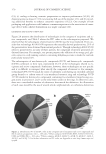
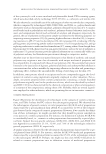
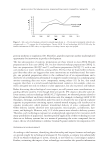
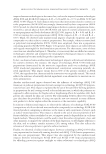
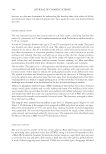
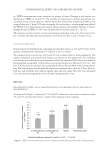
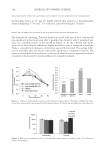
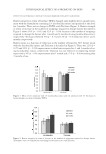
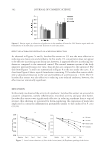
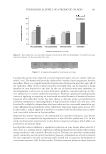
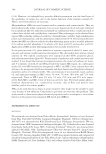
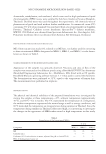
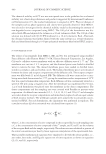
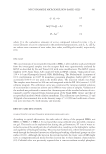
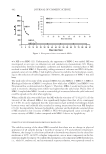
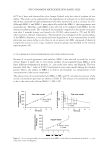
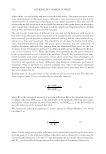
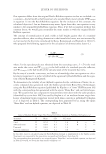
JOURNAL OF COSMETIC SCIENCE 392 EFFECT OF LACTOBACILLUS EXTRACT ON ACNE LESION REDUCTION As observed in Figures 7a and b, lactobacillus extract at 5% was the most effective in reducing acne lesion size and erythema. In this study, 1% concentration does not appear to be effective in reducing acne lesion size however, it appeared effective in reducing ery- thema as compared to the untreated control. The natural immune system of the body improves untreated lesions over time, thus all data are compared to the untreated. The data from Figures 7a and b are summarized in Figure 8 as the area under the curve. It is clear from Figure 8 that a topical formulation containing 5% lactobacillus extract exhib- ited a substantial reduction in the size and erythema of acne lesions (p 0.05). The 1% lactobacillus extract was also effective in reducing acne-induced erythema, however, the effect was not statistically signifi cant. DISCUSSION In this study, we observed the activity of a probiotic: lactobacillus extract on acne and its causative components, namely infl ammation, microbial activity, and poor skin barrier. Lactobacillus extract was signifi cantly effective in reducing erythema from a topical irritant, thus showing its potential for down-regulating the expression of molecules implicated in cutaneous infl ammation presumably similar to that induced by P. acnes (23,24). Figure 6. Barrier repair as a function of reduction in the number of hours for 50% barrier repair with o/w formulations of lactobacillus extract and Triclosan at each time point. Figure 7. Acne lesion reduction. (a) Size of the lesion (mm). (b) Erythema grading of the lesion.

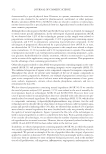
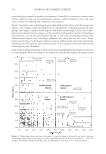
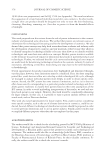
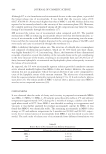
PHYSIOLOGICAL EFFECT OF A PROBIOTIC ON SKIN 393 Lactobacillus extract also impacted a second important aspect of acne, namely infection with P. acnes. The human skin provides a habitat for a variety of microorganisms: the skin microfl ora. There is a complex network of interactions between the microbes and cells of the epidermis. Most of the resident microbes on healthy skin can be regarded as being harmless or even benefi cial to the skin. In the case of diseases with some imbalance in microorganisms, such as acne or atopic dermatitis, probiotic concepts represent an effec- tive alternative to strictly antibacterial products. Probiotic approaches predominantly consist of applying or ingesting an inactivated microbial biomass of benefi cial bacteria. Ingestion of lactobacillus extract has been shown to alleviate atopic eczema/dermatitis syndrome symptoms in immunoglobulin E (IgE)-sensitized infants (25) and mice (26). Lactobacillus acidophilus cultures have also been advocated as a successful remedy for sys- temic infl ammation and oxidative stress, which have important implications in acne (27). In this study, a topical approach to probiotic treatment with lactobacillus extract exhib- ited a successful reduction in skin microfl ora. Impaired skin barrier function is also responsible for comedone formation, since barrier dysfunction is accompanied by hyperkeratosis of the follicular epithelium (11). In this study, we observed an improvement in skin barrier integrity and repair, which adds to its potential as an antiacne agent. Lactobacillus extract exhibited a signifi cant reduction in acne lesions when used for 4 days. Acne is a common disease, which has confounded hundreds of remedies that include strong antibiotics and retinoids. Biocides such as Triclosan are powerful antimicrobial agents commonly used in topical treatments, however, widespread use of such a material has been reported to become a potential public health risk in regard to development of concomitant resistance (28). In these studies, Triclosan treatment showed a robust reduction Figure 8. Area under the curve size and erythema of acne lesion. The data from Figure 7(a) and (b) are sum- marized in Figure 8 as the area under the curve. Figure 9. A sample photograph of acne lesion over time.
Purchased for the exclusive use of nofirst nolast (unknown)
From: SCC Media Library & Resource Center (library.scconline.org)