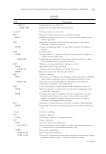
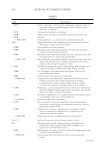
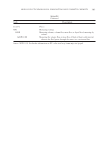
JOURNAL OF COSMETIC SCIENCE 358 (23) V. Kahn, Effect of kojic acid on the oxidation of DL-DOPA, norepinephrine, and dopamine by mush- room tyrosinase, Pigment Cell Res., 8, 234–240 (1995). (24) D. Bennett, P. Cooper, and I. Hart, A line of non-tumorigenic mouse melanocytes, syngeneic with the B16 melanoma and requiring a tumor promoter for growth, Int. J. Cancer, 39, 414–418 (1987). (25) S. Y. Seo, V. K. Sharma, and N. Sharma, Mushroom tyrosinase: recent prospects, J. Agric. Food Chem., 51, 2837–2853 (2003). (26) M. Sugumaran, Comparative biochemistry of eumelanogenesis and the protective roles of phenoloxidase and melanin in insects, Pigment Cell Res., 15, 2–9 (2002). (27) J. Martinez, F. Solano, J. Garcia, J. Jara, and J. Lozano, α-MSH and other melanogenic activators medi- ate opposite effects on tyrosinase and dopachrome tautomerase in B16/F10 mouse melanoma cells, J. Invest. Dermatol., 99, 435–439 (1992).

J. Cosmet. Sci., 63, 359–364 (November/December 2012) 359 Protection against UVB-induced oxidative stress in human skin cells and skin models by methionine sulfoxide reductase A EDWARD PELLE, DANIEL MAES, XI HUANG, KRYSTYNA FRENKEL, NADINE PERNODET, DANIEL B. YAROSH, and QI ZHANG, Estee Lauder Research Laboratories, Melville, NY 11747 (E.P., D.M., N.P., D.B.Y.), Environmental Medicine, New York University School of Medicine, New York, NY 10987 (E.P., X.H., K.F.), and ImClone Systems/Eli Lilly, Branchburg, NJ (Q.Z.). Accepted for publication March 28,2012. Synopsis Environmental trauma to human skin can lead to oxidative damage of proteins and affect their activity and structure. When methionine becomes oxidized to its sulfoxide form, methionine sulfoxide reductase A (MSRA) reduces it back to methionine. We report here the increase in MSRA in normal human epidermal keratinocytes (NHEK) after ultraviolet B (UVB) radiation, as well as the reduction in hydrogen peroxide levels in NHEK pre-treated with MSRA after exposure. Further, when NHEK were pre-treated with a non- cytotoxic pentapeptide containing methionine sulfoxide (metSO), MSRA expression increased by 18.2%. Additionally, when the media of skin models were supplemented with the metSO pentapeptide and then exposed to UVB, a 31.1% reduction in sunburn cells was evident. We conclude that the presence of MSRA or an externally applied peptide reduces oxidative damage in NHEK and skin models and that MSRA contributes to the protection of proteins against UVB-induced damage in skin. INTRODUCTION Skin is the fi rst line of defense against environmental trauma in humans. When skin is exposed to ultraviolet B (UVB, 295–320 nm), the production of reactive oxygen species (ROS) can lead to cellular disruption and various skin pathologies including photo aging (1). At the cellular level, UV-induced ROS target unsaturated membrane lipids to form lipid peroxides (2), as well as DNA to form oxidative lesions, such as 8-oxo-deoxyguanosine (3). Proteins are also susceptible to oxidative stress due to the formation of carbonyl moieties and sulfhydryl oxidation forming disulfi de bonds (4). Another form of protein oxidation that has received less attention is the formation of methionine sulfoxide (metSO) (5). Address all correspondence to Edward Pelle at epelle@estee.com.
Purchased for the exclusive use of nofirst nolast (unknown)
From: SCC Media Library & Resource Center (library.scconline.org)