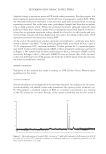
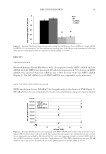
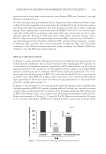
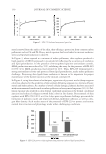
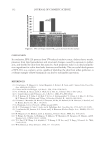
J. Cosmet. Sci., 68, 107–113 ( January/February 2017) 107 New targets in the battle against dandruff ESTELLE LOING, ELISABETH LAMARQUE, and MAGALI BOREL, Lucas Meyer Cosmetics, IFF, Tour de la Cité, Québec, Canada (E.L.), Lucas Meyer Cosmetics, IFF, 31036 Toulouse Cedex 1 (E.L.), and Lucas Meyer Cosmetics, IFF, 91160 Champlan (M.B.), France. Summary Dandruff is a scalp disorder characterized by fl aking skin and itch of an excessive oily scalp skin. It affects 55% of the global youth and adult population. Seborrheic dermatitis is a similar scalp skin disorder with aggravated itchy rashes and fl aking. Different factors are identifi ed in the dandruff development: increased sebum production, uncontrolled fungal growth of Malassezia strains and individual reaction to pro-infl ammatory environment, and the susceptibility to trigger an immunological response. Using in vitro and ex vivo models, we show that an Epilobium angustifolium extract dose dependently reduces lipid synthesis in sebocytes to a maximum of -43% (1% extract), and protects the epidermis from Malassezia-induced morphological changes. Epilobium angustifolium extract also acts through innovative mechanisms involving regulations of defensins (human beta-defensins [hBD2] and hBD3) and toll-like receptor 2 involved in the immunological response of the skin. The anti-dandruff and sebum-regulating effi cacy of E. angustifolium extract (1.5%) was confi rmed in a clinical study that mobilized 24 volunteers with dandruff and greasy scalp for 30 days. At the end of the study, nonadherent and adherent dandruffs were signifi cantly (p 0.0001) reduced in average by -54% and -48%, respectively. Using Sebumeter® measurements, scalp sebum production was inhibited by -67% (p 0.0001) in average over baseline. In conclusion, E. angustifolium extract offers a new innovative approach to dandruff reduction through immunomodulation of the skin response to Malassezia invasion. INTRODUCTION Dandruff is a common chronic scalp disorder, affecting mostly postpubertal aged persons, but not clearly related to gender or ethnicity. It is characterized by an excessive produc- tion of scalp skin cells, accumulating into oily patches or fl akes, as corneocytes retain their cohesion (1). Alterations concern the whole scalp as changes of the barrier function and infl ammation can be detected deeper beneath the upper layers of the scalp (2). Flakes appear as greasier and infl ammation surfaces in the form of erythema (3), which can spread to body parts with a high density of oil-producing glands. Seborrheic dermatitis (SD) is found in 3–5% of individuals, whereas dandruff concerns more than half of the population (3,4). Recent research focuses on three main factors for the origin of dandruff, namely, increased sebaceous gland activity, oil-feeding fungus Malassezia strains releasing free fatty acids, and individuals’ predisposition to react with an immunological response to pro-infl ammatory free fatty acids released by the fungal colonization (5). Address all correspondence to Estelle Loing at estelle.loing@lucasmeyercosmetics.com.

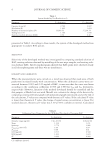
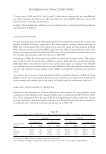
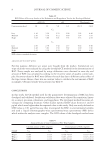
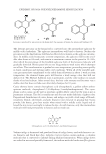
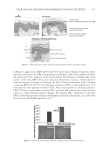
JOURNAL OF COSMETIC SCIENCE 108 Sebum is constituted of oily components such as triglycerides and wax esters. Those are digested by Malassezia strains that converts them into free fatty acids such as oleic acid. This particular metabolite induces scalp fl aking, pruritus, and infl ammation (5,6). How- ever, the relation between free fatty acids and infl ammation remains unexplained. Malassezia fungus naturally belongs to a healthy skin microbiota. Under particular condi- tions, their biology is dysregulated and consequently may contribute to various skin disorders (7,8). For the scalp, specifi c strains of Malassezia have been identifi ed and linked with dandruff and/or SD, namely M. furfur, M. globose, and M. restricta (9,10). They pos- sess a high lipase activity, since their survival is linked to their host’s lipids (10). Oleic acid resulting from Malassezia activity induces a skin infl ammatory response. Toll- like receptor 2 (TLR2) promotes infl ammatory response after binding to the fatty acid, and consequently releasing human beta-defensins (hBD) (11,12). These defensins are upregu- lated in the presence of Malassezia (13). In particular, hBD2 and hBD3 induce adaptive immune responses from keratinocyte which produce pro-infl ammatory cytokines. The resulting situation of those factors induces a disturbance of the scalp stratum corneum (SC) promoting dandruff. The epidermal turnover is dramatically increased which leads to the accumulation of parakeratotic cells with pyknotic nuclei (condensed chromatin) in the upper layers of the epidermis (14). This increased cell proliferation leads to a decreased cell differentiation rate. All together these factors disturb the SC structure. Native from North America, Epilobium angustifolium has been used as a medicinal plant. Folk medicine indicates use of the fi reweed juice to soothe skin irritation and burns. MATERIAL AND METHODS PLANT MATERIAL AND REAGENTS The fi reweed fl ower/leaf/stem aqueous extract (E. angustifolium extract) used in this study is rich in oenothein B (0.12–0.36%), an ellagitannin possessing anti-infl ammatory and antioxidant activity. IN VITRO LIPID SYNTHESIS INHIBITION IN SEBOCYTES Primary human sebocytes were obtained from a 66-year-old female volunteer, presenting a normal body mass index of 23.4. Cells were seeded in 96-black-well/clear-bottom plates, in sebocyte medium. Confl uent cells (fourth passage) were treated with various concentrations of E. angustifolium extract (0.0125%, 0.05%, and 0.1%) for 3 days. The diacylglycerol acyltransferase (DGAT) inhibitor A922500 (2 μM) was used as a control. Intracellular lipid accumulation in cells was evaluated with Nile red staining. Relative fl uorescence intensity was measured at ex/em 540 nm/620 nm (no cutoff) for total lipids and 485 nm/555 nm (515 cutoff) for neutral lipids. EX VIVO MALASSEZIA-INDUCED ALTERATIONS OF SKIN MORPHOLOGY AND IMMUNE MARKERS IN SKIN EXPLANTS Full thickness skin explants were obtained from a 47-year-old Caucasian woman. A 1:1:1 mixture of M. furfur, M. globosa, and M. restricta was prepared, for a total of 12.4 × 10⁶
Purchased for the exclusive use of nofirst nolast (unknown)
From: SCC Media Library & Resource Center (library.scconline.org)