J. Cosmet. Sci., 68, 133–136 ( January/February 2017) 133 Review of innovations to improve fragrance bloom, release, and retention on skin from surfactant-rich cosmetics VETHAMUTHU, M., LIRA, S., DIANTONIO, E., and FARES, H., Ashland Specialty Ingredients, Bridgewater NJ 08807. INTRODUCTION Fragrance molecules are small, highly volatile, and amphiphilic to different extents all of which makes them a challenging composition to effi ciently encapsulate, retain in micro- capsules, or a polymer matrix, and deposit them on a substrate such as skin or hair. This is particularly true when trying to do so from surfactant-rich cosmetic rinse-off product (1–3). Since volatility is an inherent fragrance attribute that leads to reduced sensory perception over time, a number of fragrance encapsulation technologies have been devel- oped to address this issue. These include fragrance-encapsulated polymeric microspheres (4), complex coacervation with various macromolecules (5), molecular inclusions into a host, such as cyclodextrin (6), and incorporation into solid lipid nanoparticles using ap- propriate lipids and surfactants (1,2,7). There are many challenges associated with these approaches, mainly due to the partial solubility in water of the many essential oil fra- grance components, causing hydrolytic instability in the microencapsulation process by interfacial reactions. In addition, side reactions could also lead to alteration of the encap- sulated “fragrance oils” which may limit its application in personal care products. This presentation will provide an overview of innovations and current challenges that address stability of fragrance encapsulates alone and in surfactant-rich formulations spe- cifi cally from leakage kinetics (integrity of microcapsule and its cargo). Next, technolo- gies that provide improved fragrance delivery and long-lasting fragrance perception on skin will be discussed. MATERIALS AND METHODS INSTRUMENTATION Analyses were performed on a 7890A GC combined with a 5975C Inert XL MSD with triple axis detector (Agilent Technologies). The gas chromatography mass spectrometry Address all correspondence to Martin Vethamuthu at MSVethamuthu@ashland.com.

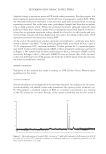
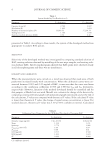
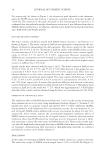
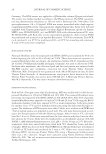
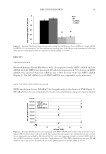
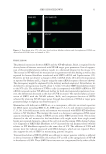
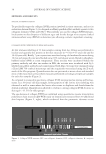
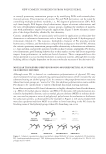
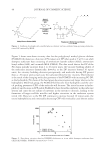
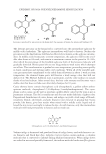
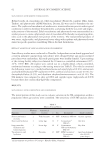
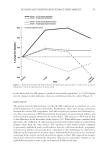
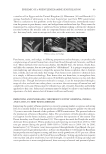
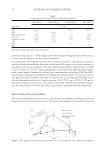
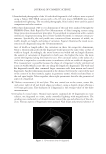
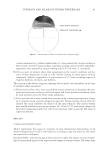
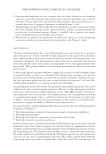
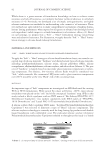
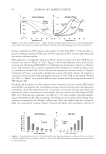
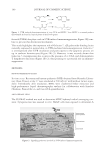
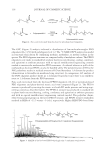
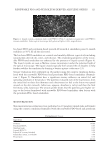
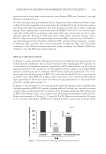
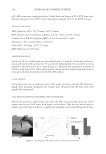
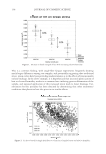
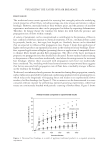
JOURNAL OF COSMETIC SCIENCE 134 (GC–MS) system was confi gured with a Cooled Injection System (CIS 4) PTV-type inlet, thermal desorption unit (TDU), and multipurpose sampler with 10 μl ATEX syringe. ANALYSIS CONDITIONS: TDU: Splitless, 40°C, 720 °C/min, 230°C (5 min) PTV: Solvent vent (70 ml/min) splitless -120°C, 12°C/s, 270°C (3 min) Column: 60 m DB-624 (Agilent J&W), di = 0.25 mm df = 1.4 μm Pneumatics: He, constant fl ow (1.0 ml/min) Oven: 40°C, 5°C/min, 230°C (17 min) MSD: Full scan, 20–550 amu SAMPLE PREPARATION An area of 18 cm2 of the inside arm was washed with 3.3 mg/cm2 of a shower gel formu- lation and rinsed with tap water for 30 s and dried. Subsequently, the area of the arm was exposed to the twister bar for 15 min (Figure 1). This step was repeated at intervals of 1 h for a total time of 2 h. After extraction the twister bar was removed and placed into a clean glass thermal desorption tube for GC–MS analysis. GC–MS ANALYSIS All samples were run in triplicate, areas of the peaks selected in the GC–MS chromato- graphs were manually integrated and average areas obtained from the three runs were graphically represented. SOLID PHASE MICROEXTRACTION FIBERS VERSUS TWISTER BAR Twister bar presents a larger surface area than the fi ber, increasing the sensitivity of the twister bar by over 1000 times with respect to the fi bers. They are also much easier to handle, especially when you have to complete the sampling over an extended period of time. Figure 1. (A) Sampling, (B) analysis, and (C) fi ber versus twister bar.
Purchased for the exclusive use of nofirst nolast (unknown)
From: SCC Media Library & Resource Center (library.scconline.org)